Goyal meets Asia House executives on India-UK CETA
Synopsis
Commerce Minister Piyush Goyal met Asia House and top global executives on 27 June 2026 to strengthen India-UK economic ties and push forward the proposed Comprehensive Economic and Trade Agreement, spotlighting India's manufacturing strengths and cross-sector investment potential.
Key Takeaways
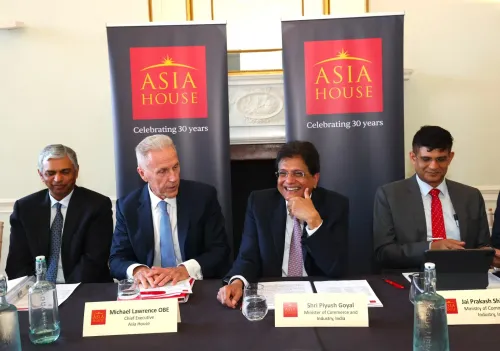
Piyush Goyal held a roundtable with Asia House and senior global executives on 27 June 2026 to discuss India-UK economic partnerships.
The minister highlighted India's 'strong manufacturing ecosystem' and cross-sector opportunities under the proposed India-UK CETA .
India and the UK launched CETA negotiations in January 2022 following Britain's departure from the EU.
India has concluded similar bilateral agreements with Australia and the UAE in 2022 , reflecting a consistent FTA strategy.
Asia House is a UK-based body that promotes business and political links between Britain and Asian economies.
The next key milestone will be progress on tariff offers or the services chapter in upcoming CETA technical talks.
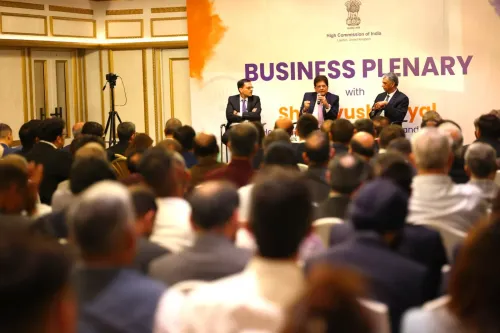
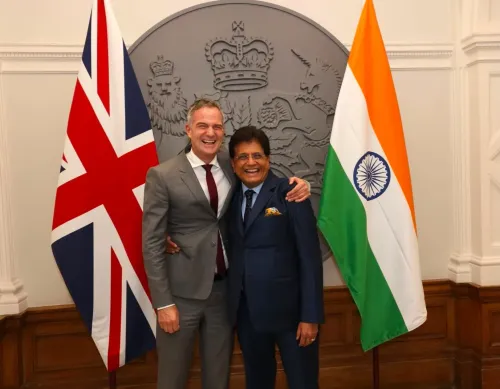
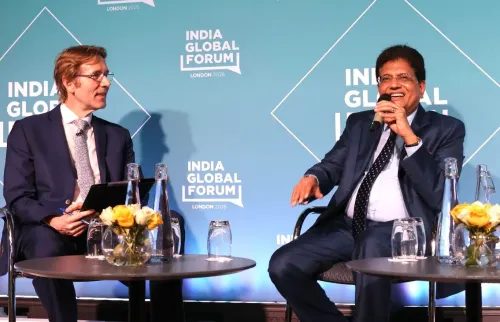
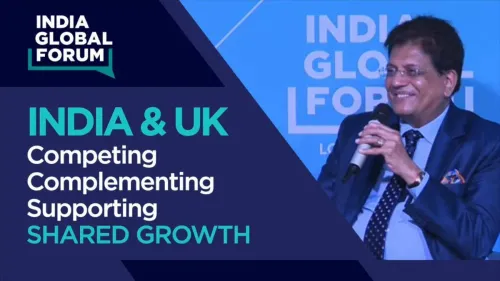
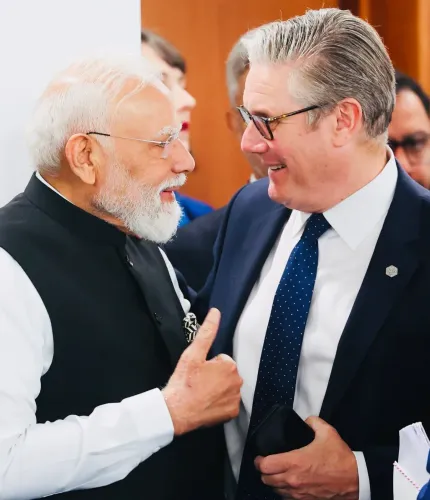
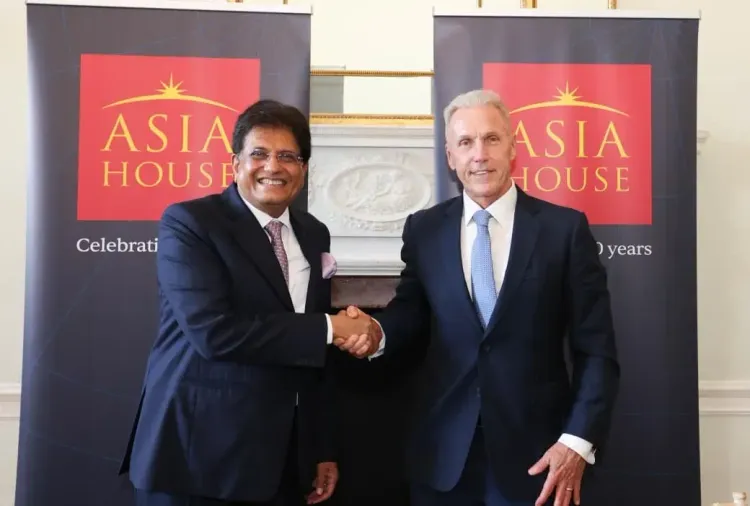
Union Commerce and Industry Minister Piyush Goyal held a roundtable interaction with Asia House and senior executives from leading global firms on Saturday, 27 June 2026, focusing on strengthening economic partnerships and identifying future opportunities between India and the United Kingdom.
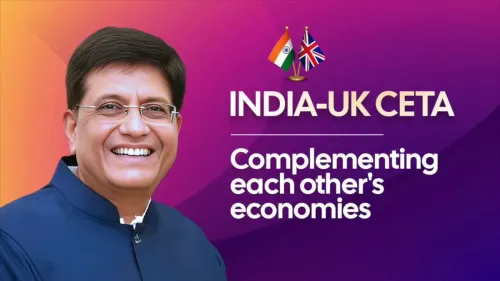
Goyal said he 'highlighted India's strong manufacturing ecosystem and the immense opportunities across sectors' that can deepen bilateral ties through the India-UK Comprehensive Economic and Trade Agreement (CETA). The meeting underscored India's intent to use the proposed free-trade framework as a vehicle for broader commercial engagement with British and global investors.
Context
Asia House is a London-based organisation dedicated to fostering business, political and cultural links between the United Kingdom and Asian economies. Roundtables convened under its banner typically bring together C-suite executives, policymakers and institutional investors who have a direct stake in the bilateral trade relationship. Goyal's participation signals the government's active diplomatic outreach to the British business community at a senior level.
Policy Backdrop
India and the United Kingdom formally launched CETA negotiations in January 2022, shortly after Britain completed its exit from the European Union. The agreement is designed to liberalise flows of goods, services and investment between the two economies. India has pursued a cluster of such bilateral agreements in recent years — including deals with Australia and the UAE in 2022 — as part of a deliberate strategy to diversify export markets and attract investment into domestic manufacturing.
The CETA talks cover a wide range of sectors, from labour-intensive goods such as textiles and leather to high-value industries including pharmaceuticals, engineering and digital services. Progress on the agreement has been closely watched by exporters on both sides who are seeking improved market access and reduced tariff barriers.
Stakeholders and Impact
Indian manufacturers and exporters stand to gain significantly from a concluded CETA, as preferential tariff schedules could open British markets to a broader range of Made-in-India goods. UK investors, meanwhile, have shown sustained interest in India's expanding infrastructure, technology and consumer sectors, areas that Goyal is reported to have flagged as priority opportunities during the roundtable. The presence of senior executives from leading global firms at the Asia House meeting suggests that private capital is actively evaluating the trade agreement's potential to de-risk and scale cross-border investments.
The interaction also feeds into India's wider pitch under its Make in India initiative, positioning the country as a reliable, high-capacity manufacturing hub for multinational supply chains looking to diversify beyond existing production bases.
What's Next
Attention will now turn to the next round of CETA technical talks and whether the political momentum generated by ministerial-level engagements such as this one translates into concrete movement on tariff offers or the services chapter of the agreement. Any joint statement or ministerial review ahead of a potential conclusion of talks would mark a significant milestone in the four-year-old negotiation process. Goyal's continued direct engagement with the British business community indicates that New Delhi is keen to maintain pressure on the timeline.
Point of View
New Delhi is signalling that the CETA is a political priority, not merely a technical exercise. The meeting also reinforces India's broader supply-chain pitch to Western capital at a moment when multinationals are actively seeking alternatives to concentrated production bases. Whether this momentum converts into a concluded agreement will depend on movement on the most contested chapters — services, intellectual property and tariff schedules — in the coming negotiating rounds.
NationPress
25 Sept 2026
Frequently Asked Questions
What is the India-UK CETA?
The India-UK Comprehensive Economic and Trade Agreement (CETA) is a proposed free-trade deal aimed at liberalising the flow of goods, services and investment between India and the United Kingdom. Negotiations were formally launched in January 2022 after the UK left the European Union.
What did Piyush Goyal discuss at the Asia House roundtable?
Goyal discussed strengthening economic partnerships and future opportunities with senior executives from leading global firms. He highlighted India's manufacturing ecosystem and the potential for deeper bilateral ties through the India-UK CETA.
How far have India-UK CETA negotiations progressed?
Negotiations have been ongoing since January 2022, covering goods, services, investment and intellectual property. Both sides have held multiple rounds of technical talks, though a final agreement had not been concluded as of mid-2026.
Why is India pursuing multiple free-trade agreements?
India has been actively signing bilateral trade agreements — including with Australia and the UAE in 2022 — to diversify its export markets and attract foreign investment into domestic manufacturing under initiatives such as Make in India.