Piyush Goyal: India-UK CETA to bring best of both nations
Synopsis
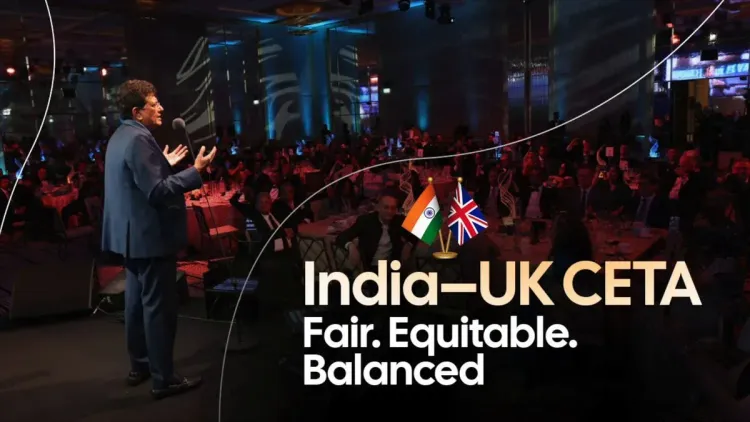
Commerce Minister Piyush Goyal on 26 June 2026 described the India-UK Comprehensive Economic and Trade Agreement as a deal focused on bringing the best of both nations to each other, reinforcing New Delhi's commitment to the long-running bilateral trade negotiations launched in January 2022.
Key Takeaways
Union Commerce Minister Piyush Goyal publicly reaffirmed India's commitment to the India-UK CETA on 26 June 2026 .
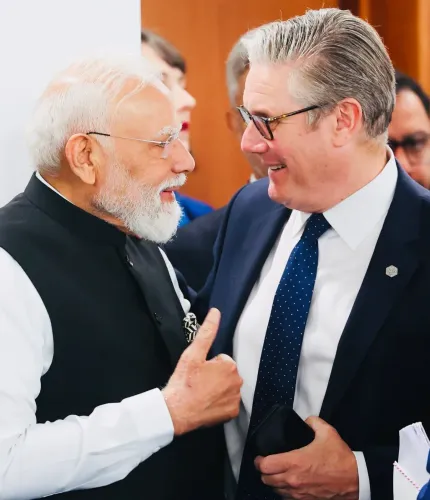
Negotiations between India and the United Kingdom were formally launched in January 2022 under Prime Ministers Modi and Johnson .
Key sectors under negotiation include Scotch whisky, automobiles, textiles , and professional services .
India has pursued an accelerated FTA strategy since 2020, concluding deals with the UAE and Australia .
The UK views a deal with India as central to its post-Brexit global trade realignment.
Stakeholders include Indian MSME exporters, IT and pharma firms , and UK services companies .
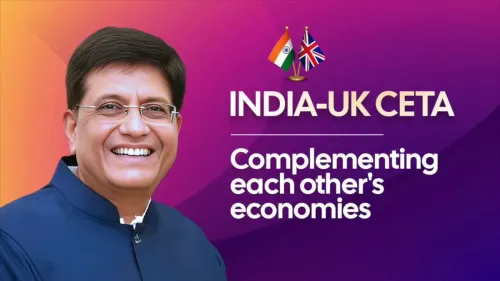
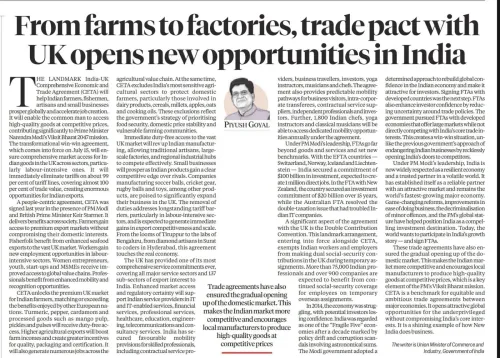
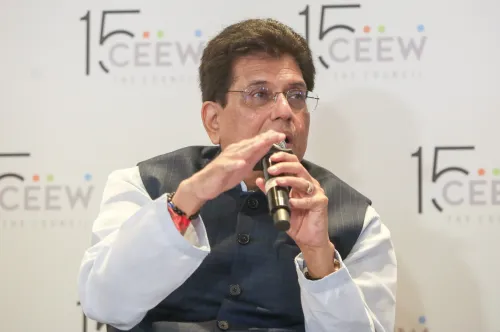
Union Commerce and Industry Minister Piyush Goyal on Friday, 26 June 2026, underscored the mutual ambition driving the proposed India-UK Comprehensive Economic and Trade Agreement (CETA), describing it as a deal 'focused on bringing the best of both countries to each other.'
Context
Goyal's statement arrives as India and the United Kingdom continue negotiations on a landmark bilateral trade pact that has been in the works since January 2022, when Prime Ministers Narendra Modi and Boris Johnson formally launched talks during a virtual summit. The framing — 'the best of both countries' — signals that both sides view the agreement as complementary rather than extractive, with each economy offering distinct strengths to the other.
The CETA covers a wide range of areas including tariff reduction on goods, expansion of services trade, investment facilitation, and mutual recognition in professional services. Sensitive sectors such as Scotch whisky, automobiles, and textiles have featured prominently in the negotiating chapters.
Policy Backdrop
India has sharply accelerated its bilateral trade agreement strategy since 2020, concluding early-harvest deals with the UAE in February 2022 and Australia in December 2022. The broader objective has been to diversify export markets, attract investment inflows, and reduce over-reliance on any single trading partner.
For the United Kingdom, the CETA represents a strategic priority in its post-Brexit trade agenda. Having exited the European Union's single market, London has actively pursued deals with Commonwealth nations and fast-growing Asian economies to rebuild its global trade footprint. A comprehensive deal with India — one of the world's largest and fastest-growing economies — would be among the most significant agreements in that effort.
Stakeholders and Impact
Indian exporters in sectors such as textiles, pharmaceuticals, and IT services stand to gain from improved market access in the UK, while MSME manufacturers could benefit from reduced tariff barriers. On the other side, UK services firms — particularly in finance, legal services, and education — are watching closely for provisions on market access and professional recognition.
The agreement's services chapter is of particular importance to India, which has consistently pushed for greater mobility of skilled professionals and easier recognition of Indian qualifications in the UK. These remain among the more complex issues on the negotiating table.
What's Next
Goyal's public emphasis on the CETA's mutual benefit framing suggests the political will on India's side remains firm. Observers will now watch for any announcement of a concluded text, a signing ceremony, or a fresh round of high-level talks at a bilateral summit. With both nations having invested significant diplomatic capital in these negotiations over several years, a final agreement would mark a defining moment in India's post-pandemic trade diplomacy and the UK's post-Brexit realignment.
Point of View
Securing a high-profile endorsement from the minister who leads the negotiations is a useful data point as it manages its own domestic expectations around a post-Brexit trade dividend.
NationPress
25 Sept 2026
Frequently Asked Questions
What is the India-UK CETA?
The India-UK Comprehensive Economic and Trade Agreement (CETA) is a proposed bilateral trade deal aimed at reducing tariffs and expanding trade in goods, services, and investment between India and the United Kingdom. Negotiations were formally launched in January 2022.
What did Piyush Goyal say about the India-UK trade deal?
On 26 June 2026, Commerce Minister Piyush Goyal stated that the India-UK CETA is 'focused on bringing the best of both countries to each other,' signalling continued political commitment to concluding the agreement.
Which sectors are covered in India-UK trade negotiations?
Key sectors under discussion include Scotch whisky, automobiles, textiles, pharmaceuticals, IT services, and mutual recognition of professional qualifications. Services trade and investment facilitation are also major pillars.
Why is the UK keen on a trade deal with India?
Post-Brexit, the UK has prioritised new trade agreements with Commonwealth nations and fast-growing Asian economies to offset the loss of EU single-market access. A deal with India, one of the world's largest economies, would be a significant milestone in that strategy.
How does the India-UK CETA fit into India's broader trade strategy?
India has accelerated bilateral trade agreements since 2020, concluding early-harvest deals with the UAE and Australia. The CETA with the UK is part of this push to diversify export markets, attract investment, and expand access for Indian services and goods globally.