Greece-China underwater heritage pact: Greek MP flags vague terms, reciprocity gap
Synopsis
A Greek lawmaker has called the Greece-China underwater heritage cooperation pact little more than a declaration of intent — flagging a budget overrun on the Piraeus antiquities museum, the prospect of a Chinese institute on Greek soil with no Greek counterpart in China, and a glaring absence of reciprocity. The ratification debate is now a referendum on how Greece manages cultural diplomacy with Beijing.
Key Takeaways
Spyros Tsironis of the Niki party criticised the Greece-China underwater cultural heritage agreement as 'vague and non-binding' during a parliamentary ratification debate.
He questioned why Greece should fund a Chinese archaeological institute on its soil without a corresponding Greek institute in China .
Tsironis challenged the allocation of space in the new Museum of Underwater Antiquities in Piraeus for Chinese artefacts without clear reciprocal benefits.
The museum's budget has reportedly risen from 77 million euros to 105 million euros amid delays and European funding risks.
The original cooperation agreement was signed in 2023 between Greek Culture Minister Lina Mendoni and then Chinese Minister Hu Heping .
The Niki party says it will not support cultural agreements that position Greece as a 'weak or subordinate partner'.
Greek lawmaker Spyros Tsironis has sharply criticised the cooperation agreement between Greece's Ministry of Culture and China's National Administration of Cultural Heritage on underwater cultural heritage, calling its provisions 'vague and non-binding' during a parliamentary debate on ratification. The Niki party MP argued that the deal functions as 'a simple declaration of intentions rather than a substantive step forward', according to reports citing the Greek City Times.
Key Objections Raised in Parliament
Tsironis contended that the agreement lacks concrete short-term objectives, offering only broad long-term projections that he said do not adequately protect Greek interests. He warned that Greece should not position itself as a 'weak partner' in its engagement with Beijing, urging the government to negotiate from a position of greater clarity and strength.
The lawmaker also voiced strong reservations over the potential establishment of a Chinese archaeological institute in Greece, questioning why the Greek state should bear operational costs for a foreign institution without a corresponding Greek institute in China. 'Where is the mutual cooperation, and what is the tangible benefit for Greek interests?' he said, as reported.
Museum Space and Reciprocity Under Scrutiny
Tsironis reportedly challenged the allocation of dedicated exhibition space within the new Museum of Underwater Antiquities in Piraeus to Chinese underwater artefacts. He demanded clarity on what Greece receives in return — specifically, whether a permanent exhibit of Greek heritage would be established in a Chinese museum.
Notably, the MP also tied his concerns to the museum project's financial trajectory. According to reports, the budget for the Underwater Antiquities Museum has escalated from an initial 77 million euros to 105 million euros, amid what he described as 'delays and risks of losing European funding'. He argued that committing public space to a foreign institution before the project's completion was premature.
Background: The 2023 Greece-China Agreement
The agreement at the centre of the debate was signed in 2023 during a meeting between Greek Culture Minister Lina Mendoni and then Chinese Tourism and Culture Minister Hu Heping, during the latter's official visit to Greece. The renewed and expanded pact sought to promote scientific cooperation and joint underwater archaeological research between the two countries.
The parliamentary ratification process has now brought the agreement under renewed scrutiny, with Tsironis's remarks crystallising a broader unease about the terms of cultural diplomacy with China.
Niki Party's Position
Concluding his remarks, Tsironis stated that the Niki party supports international cultural exchanges only when grounded in transparent terms that demonstrably safeguard Greek national interests. 'We refuse to co-sign blind agreements that portray our country as the weak or subordinate partner,' he asserted, according to reports.
The ratification debate is ongoing, and the outcome could shape how Greece structures future cultural cooperation agreements with non-European partners.
Point of View
Without a mirrored arrangement abroad, is structurally imbalanced. Greece's handling of this ratification will be watched by other EU member states navigating their own China cultural engagement frameworks.
NationPress
23 Sept 2026
Frequently Asked Questions
What is the Greece-China underwater cultural heritage agreement?
It is a cooperation pact between Greece's Ministry of Culture and China's National Administration of Cultural Heritage, originally signed in 2023, aimed at promoting scientific cooperation and joint underwater archaeological research. The agreement is currently before the Greek parliament for ratification.
Why is Greek MP Spyros Tsironis criticising the agreement?
Tsironis argues the pact is 'vague and non-binding', lacks concrete short-term objectives, and fails to guarantee reciprocity — particularly regarding the potential establishment of a Chinese archaeological institute in Greece without a corresponding Greek institute in China.
What is the Museum of Underwater Antiquities in Piraeus?
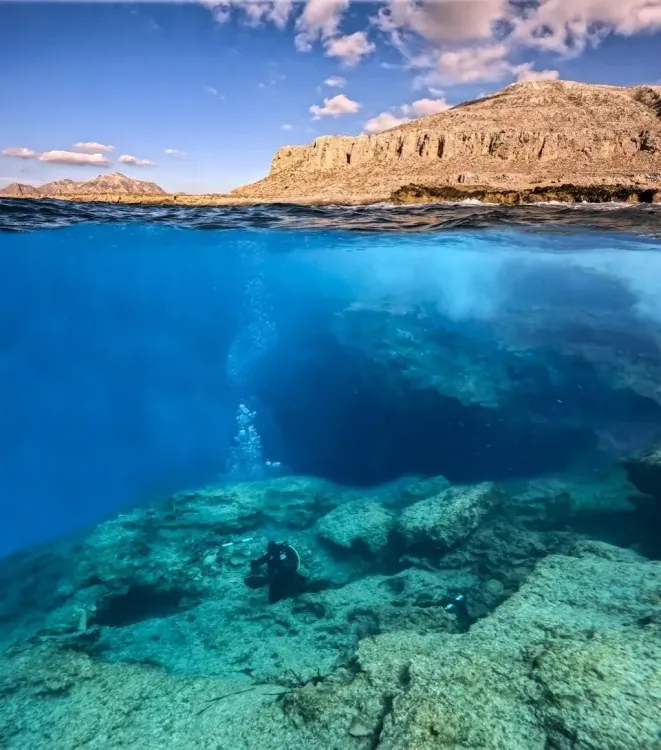
It is a new Greek museum dedicated to underwater antiquities, whose budget has reportedly escalated from an initial 77 million euros to 105 million euros amid construction delays and concerns over European funding eligibility. Tsironis objected to allocating space within it to Chinese artefacts before the project is complete.
When was the Greece-China cultural heritage agreement signed?
The renewed and expanded agreement was signed in 2023 during a meeting between Greek Culture Minister Lina Mendoni and then Chinese Tourism and Culture Minister Hu Heping, who was on an official visit to Greece at the time.
What is the Niki party's position on international cultural agreements?
The Niki party says it supports international cultural exchanges only when they are based on transparent terms that clearly safeguard Greek national interests, and opposes agreements it views as portraying Greece as a weak or subordinate partner.