UN Chief Guterres warns restart of fighting would have terrible consequences
Synopsis
Speaking from Nairobi, UN Secretary-General Guterres issued a stark warning: any resumption of Gulf fighting would be catastrophic — not just for the Middle East, but for Africa, where 13% of imports flow through the Strait of Hormuz and Urea prices have already spiked 35% in a month. Meanwhile, Trump's blunt rejection of Iran's peace response signals diplomacy remains on a knife's edge.
Key Takeaways
UN Secretary-General António Guterres on 11 May urged all parties to maintain the ceasefire and keep the Strait of Hormuz fully open.
Guterres warned that any restart of fighting "would have terrible consequences" for the global economy and food security.
Urea prices have risen more than 35 per cent in a single month, threatening food security across Africa.
Approximately 13 per cent of Africa's imports pass through the Strait of Hormuz , making the crisis far from a distant one for the continent.
US President Donald Trump rejected Iran's latest response to a US-backed peace framework, calling it "TOTALLY UNACCEPTABLE" in a Truth Social post.
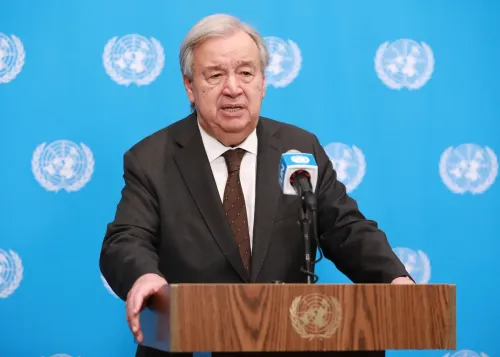
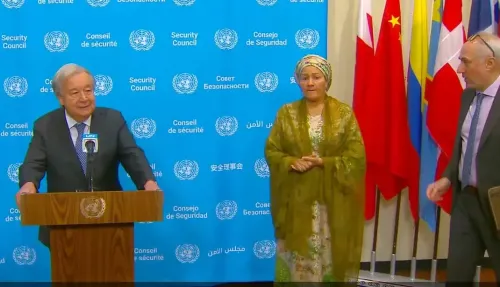
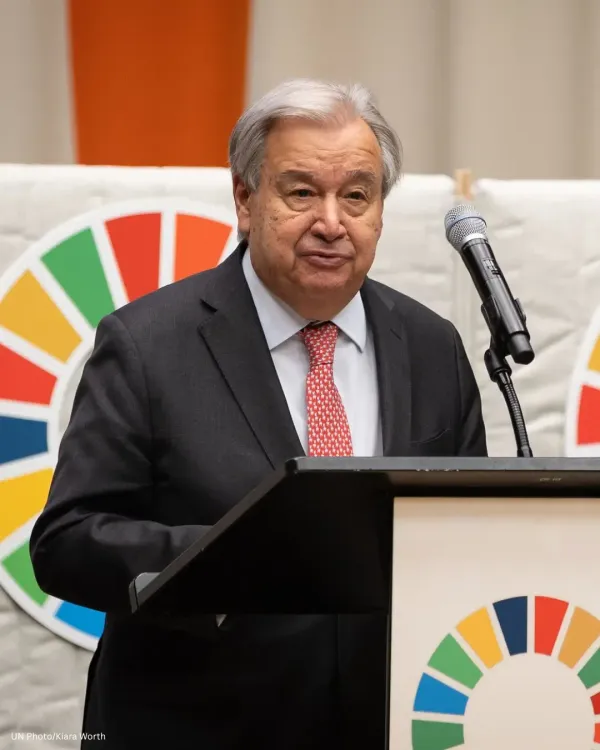
UN Secretary-General António Guterres on Monday, 11 May issued an urgent appeal for the Strait of Hormuz to remain fully open and for the ceasefire in the Gulf region to hold, warning that any resumption of hostilities would carry devastating global consequences. He made the remarks while attending a groundbreaking ceremony for a conference facility at the UN office in Nairobi, Kenya.
Guterres's Key Appeal
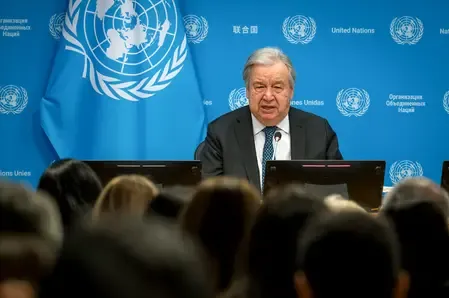
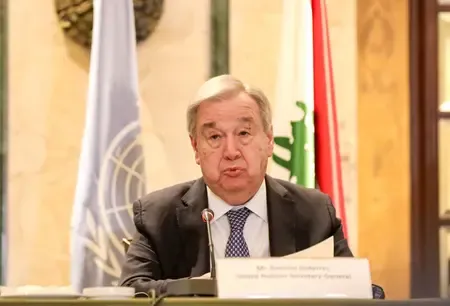
"My strong appeal is for the negotiations to go on until that diplomatic solution is found, the ceasefire to be maintained, and in between, the Strait of Hormuz to be completely open… Any restart of the fighting would have terrible consequences," Guterres said. He stressed that reaching a diplomatic solution must remain the priority, and that all parties should refrain from any action that could reignite the conflict.
Why Africa Has a Direct Stake
Guterres pushed back firmly against any perception that the Middle East crisis is a distant concern for African nations. He pointed out that approximately 13 per cent of Africa's imports pass through the Strait of Hormuz, making the waterway critical to the continent's economic stability. Many African countries are also still awaiting fertiliser shipments and other agricultural inputs from the Gulf. "Without fertilisers, you can imagine that we risk having a serious food security problem next year," he warned. Notably, the price of Urea — the world's most widely used fertiliser — has surged by more than 35 per cent in just one month, according to Guterres.
The Hormuz Corridor and Global Energy Prices
The UN chief underscored that keeping the strait completely open is essential for the international community at large. "That is the only way to bring energy prices and fertiliser prices back to the levels that we had before the war," he said. This comes amid weeks of maritime disruptions and military confrontations in the region that have already rattled global commodity markets.
Trump Rejects Iran's Response
Earlier on the same day, US President Donald Trump sharply rejected Iran's response to a new US-backed peace proposal aimed at stabilising the Gulf. In a post on Truth Social, Trump wrote: "I have just read the response from Iran's so-called 'Representatives.' I don't like it — TOTALLY UNACCEPTABLE! Thank you for your attention to this matter." The remarks came hours after Tehran submitted its reply to a US-backed framework intended to end weeks of regional confrontation. The rejection signals that diplomatic efforts remain fragile, even as international pressure mounts for a lasting resolution.
What Comes Next
With Urea prices at a one-month high and African food security hanging in the balance, the stakes of a protracted standoff extend well beyond the Middle East. Guterres's intervention from Nairobi signals that the United Nations is actively pushing all parties toward a negotiated settlement. Whether Washington and Tehran can bridge their positions in the coming days will be closely watched by commodity markets and food-import-dependent nations alike.
Point of View
The humanitarian stakes are real and immediate. Yet the diplomatic picture is worsening: Trump's blunt Truth Social rejection of Iran's response suggests the US-Iran back-channel is far from a breakthrough. The window between ceasefire and catastrophe may be narrower than the headlines suggest.
NationPress
24 Sept 2026
Frequently Asked Questions
What did UN Secretary-General Guterres say about the Strait of Hormuz?
Guterres appealed for the Strait of Hormuz to remain completely open and for the Gulf ceasefire to be maintained, warning that any restart of fighting would have terrible consequences for the global economy and food security.
Why does the Gulf crisis matter for Africa?
Approximately 13 per cent of Africa's imports pass through the Strait of Hormuz, and many African nations are still awaiting fertiliser shipments from the Gulf. Guterres warned that without these inputs, the continent faces a serious food security crisis in the coming year.
How much have Urea prices risen amid the Gulf tensions?
According to Guterres, the price of Urea — the world's most widely used fertiliser — has risen by more than 35 per cent in just one month, a surge he directly linked to the disruptions caused by the Gulf conflict.
How did the US respond to Iran's latest peace proposal?
US President Donald Trump rejected Iran's response to a US-backed peace framework, calling it 'TOTALLY UNACCEPTABLE' in a post on Truth Social. The rejection signals that diplomatic efforts to stabilise the Gulf region remain unresolved.
Where was Guterres when he made these remarks?
Guterres made the remarks while attending a groundbreaking ceremony for a conference facility at the UN office in Nairobi, Kenya, on 11 May.