H-1B $100,000 wage floor heads to Congress after court blocks Trump order
Synopsis
A federal judge blocked Trump's executive H-1B wage order — so a Republican congressman is taking it to Congress instead. The PROTECT Act of 2026 would lock in a $100,000 salary floor for H-1B workers, a move that could fundamentally reshape how Indian IT professionals and outsourcing firms access the US job market.
Key Takeaways
Mike Kennedy of Utah introduced the PROTECT Act of 2026 to impose a $100,000 annual wage floor for H-1B visa holders.
A federal judge struck down President Trump's executive order on the same measure, ruling the change requires an act of Congress.
The bill would prioritise H-1B petitions offering higher salaries and restrict workers placed at third-party worksites .
Exemptions are carved out for healthcare professionals including physicians, nurses, and pharmacists, subject to recruitment conditions.
Indian nationals receive the overwhelming majority of H-1B visas annually, making the bill's progress critical for India's tech and outsourcing sectors.
The H-1B programme was established by Congress in 1990 to fill specialised roles requiring advanced skills.
A Republican congressman is pushing legislation to permanently impose a $100,000 annual wage floor for H-1B visa holders after a federal judge struck down President Donald Trump's executive attempt to enforce the same measure, ruling that such a structural change to immigration law must originate from Congress. The move has direct consequences for Indian technology professionals, who account for the overwhelming majority of H-1B recipients each year.
The PROTECT Act: What It Proposes
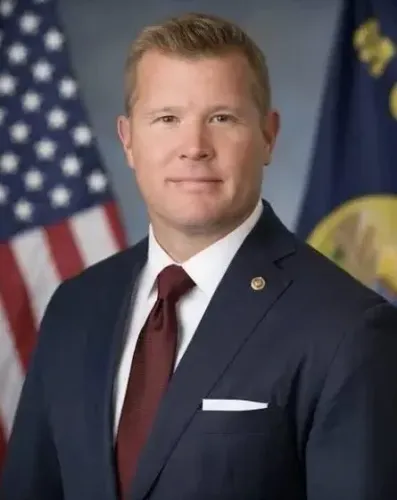
Rep. Mike Kennedy of Utah introduced the Prioritising Resources for Our Citizens and Talent Act, or PROTECT Act of 2026, to codify the administration's H-1B reforms into statute. The bill would require employers to pay H-1B workers at least $100,000 annually, adjusted for inflation, or the prevailing wage paid to a comparable American worker — whichever is higher. It would also prioritise visa petitions that offer higher salaries and tighten restrictions on workers placed at third-party worksites.
'An activist judge stepped in to strike down the President's critical H-1B immigration reforms. The judge claims only Congress can do this? Fine,' Kennedy said. 'I already introduced the PROTECT Act, which will codify the President's H-1B reforms and make it the law of the land. We need to pass the PROTECT Act and put American workers first.'
Kennedy's Core Argument
Kennedy contends the H-1B programme has drifted far from its founding purpose. 'The H-1B visa program was designed to fill genuine, documented gaps in the American workforce. Instead, it has served as a tool to replace qualified American workers with cheaper foreign labor,' he said in background materials released alongside the bill.
He further argued the programme is 'creating disincentives for future American workers to choose STEM careers, which threatens our national security.' The legislation is explicitly framed as a mechanism to reduce employers' financial incentive to hire foreign workers over Americans.
Exemptions and Carve-Outs
The bill does include targeted exemptions for certain healthcare professionals — among them physicians, registered nurses, pharmacists, therapists, and other direct patient-care workers — provided employers can demonstrate they made unsuccessful efforts to recruit qualified American workers first. This carve-out reflects the acute staffing shortages in the US healthcare sector where H-1B workers play a critical role.
What the Court Ruling Changed
The federal judge's decision effectively redirected the policy battle from the executive branch to the legislative arena. By ruling that a change of this magnitude requires an act of Congress, the court handed immigration-reform advocates a procedural roadmap — and handed opponents a longer timeline in which to contest it. Notably, this is not the first time the Trump administration's immigration executive actions have been curtailed by judicial review.
Impact on Indian Tech Professionals
Indian nationals consistently receive the vast majority of H-1B visas issued annually, making any reform to the programme a matter of acute concern for India's technology sector, outsourcing companies, and thousands of professionals seeking US employment. A mandatory $100,000 salary floor would raise the cost of sponsoring Indian IT workers significantly, potentially reducing the number of petitions filed by mid-tier outsourcing firms that have historically relied on the programme. Industry observers and Indian government officials are expected to monitor the bill's legislative progress closely.
The H-1B programme was established by Congress in 1990 to help US employers fill specialised roles requiring advanced skills. Technology companies, research institutions, and healthcare providers remain its largest users. Whether the PROTECT Act advances through a divided Congress remains to be seen, but its introduction signals that the H-1B debate has formally shifted from executive orders to the legislative floor.
Point of View
000 floor, indexed to inflation, would function as a genuine labour-market correction or as a de facto cap on Indian outsourcing firms whose business model depends on cost arbitrage. Congress has historically been reluctant to touch H-1B structurally; the last major overhaul was in 1990. If the PROTECT Act advances, it would be the most consequential change to the programme in over three decades — and the Indian IT sector, which sends tens of thousands of workers to the US annually, would bear the sharpest impact.
NationPress
19 Sept 2026
Frequently Asked Questions
What is the PROTECT Act of 2026?
The PROTECT Act of 2026 is legislation introduced by Rep. Mike Kennedy of Utah that would impose a mandatory $100,000 annual wage floor for H-1B visa holders, adjusted for inflation, or the prevailing wage for a comparable American worker — whichever is higher. It also prioritises visa petitions offering higher salaries and tightens rules on third-party worksite placements.
Why was Trump's H-1B executive order struck down?
A federal judge ruled that imposing a structural change of this magnitude to the H-1B programme requires an act of Congress rather than executive action. The ruling effectively transferred the policy fight from the White House to the legislative arena.
How does the PROTECT Act affect Indian H-1B workers?
Indian nationals receive the vast majority of H-1B visas issued each year. A mandatory $100,000 salary floor would raise sponsorship costs significantly, potentially reducing petitions from mid-tier outsourcing firms that rely on cost-competitive hiring. India's technology sector and thousands of professionals seeking US employment are closely watching the bill's progress.
Are there any exemptions in the PROTECT Act?
Yes. The bill exempts certain healthcare professionals — including physicians, registered nurses, pharmacists, and therapists — provided employers can demonstrate they made unsuccessful attempts to recruit qualified American workers first.
What is the H-1B visa programme and when was it created?
The H-1B visa programme was established by Congress in 1990 to allow US employers to hire foreign workers in speciality occupations requiring advanced skills. Technology companies, research institutions, and healthcare providers are among its largest users.