US senator bills 3-year H-1B freeze, $200K salary floor in sweeping overhaul
Synopsis
A Republican senator wants to shut down new H-1B visas for three full years, slash the annual cap to 25,000, demand a $200,000 salary floor, and eliminate OPT — all in one bill. For Indian professionals, who dominate H-1B approvals, this is the most direct legislative threat to US work visa access in years.
Key Takeaways
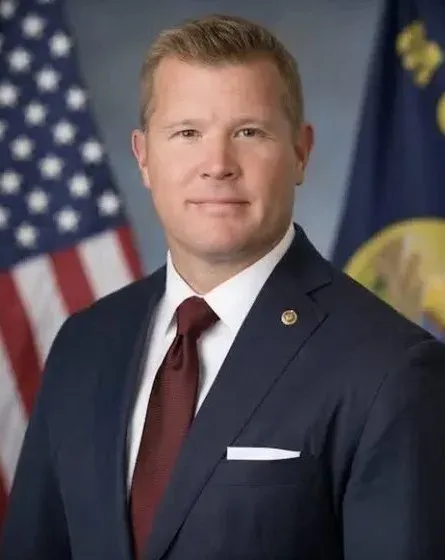
Senator Tim Sheehy (Republican, Montana) introduced the End H-1B Visa Abuse Act of 2026 on 24 July 2026 .
The bill proposes a three-year suspension of new H-1B visa issuances before restarting under stricter rules.
Annual H-1B cap would be cut to 25,000 ; minimum salary set at $200,000 ; per-petition fee fixed at $100,000 .
The 'dual intent' provision, H-4 dependent visas , and OPT-style programmes for foreign students would all be eliminated.
Indian professionals , the largest H-1B beneficiary group, face the greatest exposure if the bill advances.
The legislation has support from FAIR and the Immigration Accountability Project but faces a long path through Congress.
Republican Senator Tim Sheehy of Montana on Thursday, 24 July 2026 introduced the End H-1B Visa Abuse Act of 2026, legislation that would suspend the issuance of new H-1B visas for three years, slash the annual visa cap to 25,000, and impose a minimum salary floor of $200,000 — one of the most sweeping proposed overhauls of the skilled-worker visa programme in recent memory. Indian professionals, who account for the overwhelming majority of H-1B approvals each year, would be among the most directly affected.
Key Provisions of the Bill
The legislation proposes a complete halt on new H-1B issuances for three years before restarting the programme under tighter standards. Once restarted, the annual cap would be reduced to 25,000 from current levels, and visa validity would be capped at three years. The bill would also codify President Donald Trump's proposed $100,000 fee per H-1B petition and replace the existing lottery selection system with a wage-based selection process, prioritising the highest-paid applicants.
Employers seeking to hire H-1B workers would be required to certify that no qualified American workers are available, attest that they have not laid off employees in the preceding year, and commit to no layoffs in the following year. Third-party staffing agencies would be barred from sponsoring H-1B petitions, and concurrent employment across multiple employers under the programme would be prohibited.
Broader Restrictions on Foreign Workers and Students
Among the bill's most far-reaching provisions is the elimination of the 'dual intent' clause — the longstanding rule that permits H-1B holders to pursue permanent residency while remaining employed in the United States. The legislation would also bar H-class visa holders from bringing dependants into the country, a provision that would directly affect tens of thousands of spouses and children currently in the US on H-4 dependent visas.
The bill further proposes ending Optional Practical Training (OPT)-style programmes, which currently allow foreign students to work in the US after graduation. Federal agencies would also be prohibited from sponsoring or employing non-immigrant visa holders, and most non-immigrant visa holders would lose the ability to adjust their immigration status while remaining in the country.
What Senator Sheehy Said
Sheehy argued that the H-1B programme has fundamentally deviated from its original purpose. 'The H-1B program was created to address workforce shortages for specialized, difficult-to-fill positions — not to displace qualified, hardworking Americans with cheaper, foreign labor. We shouldn't be issuing work permits that make it easier to undercut American workers when we have the talent right here at home,' he said in a statement.
His office further contended that employing 'large numbers of foreign contract workers in sensitive sectors like artificial intelligence and defense-adjacent industries raises serious concerns about data security, insider risk, and foreign influence.' The bill has drawn support from the Immigration Accountability Project and the Federation for American Immigration Reform (FAIR).
Impact on Indian Professionals and What Comes Next
Indian nationals have consistently been the single largest beneficiary group of the H-1B programme, accounting for the vast majority of visas issued annually. A three-year freeze, combined with the elimination of OPT and dependent visa rights, would represent a significant disruption to the pipeline of Indian technology, engineering, healthcare, and research professionals working in or aspiring to work in the United States.
The bill, as introduced, remains at an early legislative stage and would need to clear committee review and a Senate vote before advancing. Notably, past attempts at H-1B reform — including during Trump's first term — faced significant industry pushback and did not result in comparable statutory changes. Whether this legislation advances or serves primarily as a political signal ahead of broader immigration debates remains to be seen.
Point of View
Banning dependants, and setting a $200,000 salary floor would effectively price out mid-tier employers and gut the graduate-to-workforce pipeline that US universities and tech firms rely on. The national security framing is new and politically potent, but it sits awkwardly alongside the fact that much of the AI and defence-adjacent innovation Sheehy cites as vulnerable is itself built on H-1B labour. The bill's real function may be to anchor an aggressive negotiating position in a broader immigration overhaul — but for the hundreds of thousands of Indians currently in the H-1B queue, the uncertainty alone carries real cost.
NationPress
23 Oct 2026
Frequently Asked Questions
What is the End H-1B Visa Abuse Act of 2026?
It is legislation introduced by Republican Senator Tim Sheehy of Montana on 24 July 2026 that would suspend new H-1B visa issuances for three years, reduce the annual cap to 25,000, set a $200,000 minimum salary, and eliminate several related provisions including OPT and H-4 dependent visas. The bill is described by Sheehy as an effort to restore the programme to its original intent and prioritise American workers.
How would the bill affect Indian professionals?
Indian nationals are the largest single beneficiary group of the H-1B programme, accounting for the overwhelming majority of visas issued annually. A three-year freeze, combined with the elimination of OPT and dependent visa rights, would significantly disrupt the pathway for Indian technology, engineering, healthcare, and research professionals seeking to work in the United States.
What happens to the H-1B lottery under this bill?
The existing random lottery system would be replaced by a wage-based selection process, prioritising applicants who are offered the highest salaries. This change, combined with the $200,000 minimum salary requirement, would fundamentally alter who qualifies for the programme.
Does this bill eliminate H-4 dependent visas?
Yes. The legislation would bar H-class visa holders from bringing dependants into the United States, which would directly affect tens of thousands of spouses and children currently residing in the US on H-4 dependent visas.
What are the chances of this bill becoming law?
As introduced, the bill is at an early legislative stage and would need to clear committee review and a full Senate vote before advancing. Past attempts at sweeping H-1B reform, including during President Trump's first term, faced significant industry opposition and did not result in comparable statutory changes, suggesting the bill faces a challenging path.