Major H-1B Visa Suspension Bill: 3-Year Pause Proposed by Republicans
Synopsis
Republican lawmakers have introduced the 'End H-1B Visa Abuse Act of 2026', proposing a 3-year suspension of H-1B visas, cutting the annual cap from 65,000 to 25,000, mandating a $200,000 salary floor, and banning OPT — a move that could upend the futures of hundreds of thousands of Indian professionals in the US.
Key Takeaways
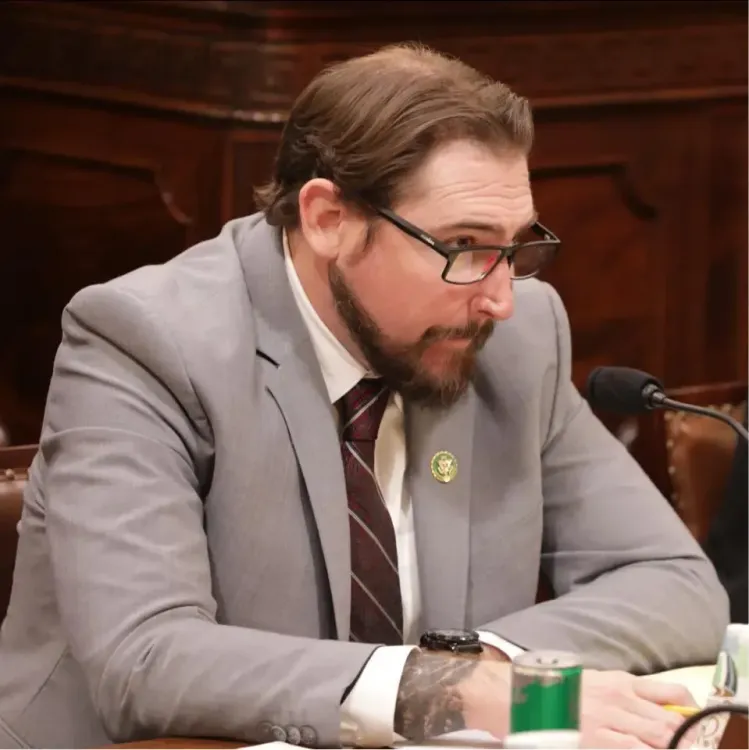
Representative Eli Crane introduced the "End H-1B Visa Abuse Act of 2026" on April 25, 2025 , proposing a three-year suspension of H-1B visa issuances.
The bill would slash the annual H-1B cap from 65,000 to 25,000 and eliminate all existing exemptions to the cap.
A minimum annual salary of $200,000 would be required for all H-1B visa holders, replacing the existing wage floor.
The legislation would end the Optional Practical Training (OPT) programme and block H-1B holders from transitioning to permanent residency .
Indian nationals , who historically account for over 70% of H-1B approvals , would be the most severely impacted group if the bill passes.
Co-sponsors include Representatives Brandon Gill, Paul Gosar, and Andy Ogles ; immigration expert Rosemary Jenks called it "the strongest H-1B bill ever introduced in Congress."
Washington, April 25, 2025 — A bloc of Republican lawmakers in the United States Congress has formally introduced sweeping legislation to suspend the H-1B visa programme for three years, fundamentally restructuring a system that has long served as the primary gateway for high-skilled foreign workers — particularly Indian nationals — into the American workforce. The bill, if passed, would represent the most dramatic overhaul of US high-skilled immigration policy in decades.
What the 'End H-1B Visa Abuse Act of 2026' Proposes
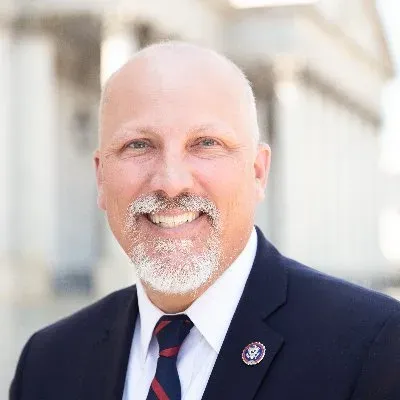
The legislation, formally titled the "End H-1B Visa Abuse Act of 2026", was introduced by Representative Eli Crane of Arizona. It calls for an immediate three-year moratorium on new H-1B visa issuances, after which the programme would resume under a drastically tightened framework.
Among its most consequential provisions, the bill proposes slashing the annual H-1B cap from 65,000 to 25,000 and eliminating all existing exemptions. The current lottery-based selection system — widely criticised for favouring large outsourcing firms — would be replaced by a wage-based selection model, prioritising the highest-paid applicants.
A minimum annual salary of $200,000 would be mandated for all H-1B holders, a threshold that would effectively exclude a large portion of current visa applicants, particularly those placed by third-party staffing agencies.
Key Restrictions Targeting Employers and Visa Holders
Employers seeking H-1B workers would be required to formally certify that no qualified American worker is available for the role and confirm they have not conducted recent layoffs — a provision aimed squarely at tech giants accused of replacing domestic employees with cheaper foreign labour.
The bill would ban H-1B workers from holding multiple jobs and explicitly prohibit third-party staffing agencies from sponsoring or employing H-1B visa holders — a practice critics say has been systematically exploited by Indian IT outsourcing firms such as Infosys, Tata Consultancy Services, and Wipro, which have historically ranked among the top H-1B sponsors.
Additional measures include banning dependents from accompanying H-1B holders, ending the Optional Practical Training (OPT) programme that allows international students to work in the US post-graduation, and blocking visa holders from transitioning to permanent residency (Green Card) — a pathway hundreds of thousands of Indian professionals are currently waiting on, some for decades.
Republican Lawmakers Back the Bill With Sharp Rhetoric
Representative Brandon Gill, Representative Paul Gosar, and Representative Andy Ogles have signed on as co-sponsors, each framing the bill in explicitly nationalist terms.
Crane stated: "The federal government should work for hardworking citizens, not the profit margins of massive corporations. We owe it to the American people to prevent the broken H-1B system from boxing them out of jobs they are qualified to perform."
Gosar went further, calling the programme a deliberate mechanism to suppress American wages: "The H-1B program has been hijacked to replace American workers with cheaper foreign labor — plain and simple. This bill slams the brakes on a system that's rigged against our own people."
Ogles struck the sharpest tone: "American workers are being replaced, and cheap foreign labor is the cause. We will not bow down to the corporations, and we will not let Americans become strangers in their own country. End the H-1B scam."
Immigration Experts Call It the Strongest H-1B Bill Ever Introduced
Rosemary Jenks, co-founder of the Immigration Accountability Project, described the legislation as "the strongest H-1B bill that has ever been introduced in Congress", praising its combination of cap reductions, wage floor increases, and the elimination of third-party employment loopholes.
Jenks argued the bill restores the programme's original intent: "H-1B visas were sold to the American people as a short-term visa to fill temporary labor gaps while Americans are trained to take those jobs. This bill makes that a reality."
This comes amid a broader political climate in which President Donald Trump's second administration has taken a markedly hawkish stance on immigration — both at the southern border and within legal immigration channels. Notably, the H-1B debate briefly fractured the MAGA coalition in late 2024, when Trump ally Elon Musk publicly defended the H-1B programme, drawing fierce backlash from immigration restrictionists within the same movement.
What This Means for Indian Professionals and the Tech Industry
Indian nationals have historically accounted for the overwhelming majority of H-1B visa approvals — often exceeding 70% of all approvals in recent years, according to US Citizenship and Immigration Services data. A three-year suspension would effectively freeze new entries for tens of thousands of Indian engineers, software developers, and IT professionals annually.
The $200,000 salary floor would also disproportionately impact Indian-origin workers placed through staffing firms, where salaries often fall well below that threshold. Meanwhile, ending the OPT programme would cut off a key pipeline through which Indian students at American universities transition into the US workforce.
For the broader US technology sector, industry groups warn that such restrictions could accelerate talent migration to Canada and Germany, both of which have actively courted high-skilled Indian professionals with more accessible immigration pathways. Silicon Valley firms have consistently argued that H-1B workers fill genuine skill gaps that domestic hiring cannot address at current scale.
The bill faces significant legislative hurdles — similar restrictive proposals have stalled in previous congressional sessions — but its introduction signals intensifying political pressure on the H-1B programme heading into 2026 midterm elections. Observers will watch closely whether the bill advances beyond committee hearings or serves primarily as a political statement ahead of the election cycle.
Point of View
Republican hardliners are weaponising immigration reform to consolidate their base, even as the very tech ecosystem they claim to champion was built substantially on H-1B labour. The bill's $200,000 salary floor and ban on third-party staffing are legitimate policy corrections long demanded by reform advocates — but the three-year blanket suspension and OPT elimination reveal an agenda that goes beyond fixing loopholes to fundamentally closing doors. For India, this is a strategic inflection point: hundreds of thousands of professionals and students face an uncertain future in America precisely as Canada, Germany, and Australia roll out the welcome mat.
NationPress
28 Sept 2026
Frequently Asked Questions
What is the End H-1B Visa Abuse Act of 2026?
The End H-1B Visa Abuse Act of 2026 is a bill introduced by US Representative Eli Crane that proposes suspending H-1B visa issuances for three years and overhauling the programme with stricter rules. Key changes include cutting the annual cap from 65,000 to 25,000, setting a $200,000 minimum salary, and replacing the lottery system with wage-based selection.
How will the proposed H-1B visa suspension affect Indian workers?
Indian nationals account for over 70% of H-1B visa approvals annually, making them the most directly impacted group if the bill passes. The proposed suspension would halt new entries for tens of thousands of Indian engineers and IT professionals, while provisions ending OPT and blocking Green Card transitions would further restrict long-term pathways.
Who are the Republican lawmakers supporting the H-1B suspension bill?
The bill was introduced by Representative Eli Crane and has been co-sponsored by Representatives Brandon Gill, Paul Gosar, and Andy Ogles. All four lawmakers have framed the legislation as a measure to protect American workers from being displaced by cheaper foreign labour.
What changes does the bill propose to the H-1B salary and cap rules?
The bill proposes reducing the annual H-1B visa cap from 65,000 to 25,000 and setting a mandatory minimum salary of $200,000 per year for all visa holders. It would also replace the existing random lottery system with a wage-based selection process that prioritises higher-paying job offers.
What is the current status of the H-1B suspension bill in Congress?
As of April 25, 2025, the bill has been formally introduced in the US Congress but has not yet been passed into law. Similar restrictive H-1B proposals have stalled in previous congressional sessions, and the bill faces significant legislative hurdles before it could be enacted.