Bipartisan US Legislation Aims to Exempt Doctors from H-1B Visa Fee
Synopsis
A bipartisan group of US lawmakers has introduced a bill to exempt healthcare professionals from a hefty H-1B visa fee, warning it could worsen workforce shortages and limit patient care access.
Key Takeaways
Bipartisan Support: Lawmakers from both parties are backing the bill.
Financial Relief: The proposed exemption aims to ease the burden of H-1B visa fees.
Workforce Shortages: The legislation addresses significant physician and healthcare professional shortages.
Rural Impact: Rural areas are particularly affected by the proposed fee.
National Interest: Exempting healthcare workers aligns with national healthcare needs.
Washington, March 19 (NationPress) A bipartisan coalition of US legislators has proposed a bill aimed at exempting doctors and healthcare professionals from a suggested $100,000 H-1B visa fee. They caution that this financial burden could exacerbate workforce shortages and limit access to essential medical care nationwide.
The proposed legislation, titled the “H-1Bs for Physicians and the Healthcare Workforce Act,” seeks to eliminate financial obstacles for hospitals and health systems that depend on foreign-trained medical professionals to occupy critical positions, particularly in underserved and rural areas.
“Access to healthcare begins with having sufficient doctors and medical staff to serve our communities,” stated Congresswoman Maria Elvira Salazar. “As our nation grapples with an increasing shortage of physicians, we must ensure that exorbitant fees do not hinder hospitals from attracting the medical expertise that American patients rely on.”
Legislators have warned that the proposed $100,000 fee, introduced through a presidential proclamation, could effectively prevent healthcare employers from utilizing the H-1B program.
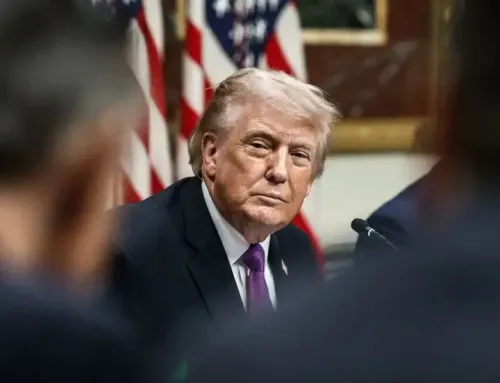
“As outlined in President Trump’s proclamation establishing this fee, it is certainly in the national interest to grant exemptions for healthcare workers,” remarked Congressman Mike Lawler. “Hospitals, community health centers, and other vital facilities are experiencing significant workforce shortages that jeopardize access to care. They cannot afford a $100,000 fee for new immigrant workers.”
He cautioned that without this exemption, “physicians and the broader healthcare workforce would be effectively excluded from the H-1B program, exacerbating workforce shortages and restricting care options.”
Congresswoman Yvette Clarke emphasized that immigrant professionals are essential to the US healthcare system's functionality.
“Immigrant Americans are invaluable assets in maintaining the steady, efficient, and effective operation of our hospitals and health systems,” she noted. “The bipartisan commitment to exempt migrant healthcare workers from the $100,000 H-1B petition fee underscores the widely recognized importance and necessity of these workers.”
Congressman Sanford Bishop pointed out that this fee would disproportionately affect rural providers. “The $100,000 H1-B filing fee adds insult to injury for hospitals, especially in rural regions,” he said. “This fee will severely hinder their ability to recruit qualified healthcare professionals to some of the most underserved areas in the country.”
According to federal statistics referenced by lawmakers, nearly 87 million Americans reside in areas experiencing a shortage of healthcare providers, highlighting the urgency of this matter.
Medical and hospital associations have rallied their support behind this bill, warning that international medical graduates are critical to maintaining patient access.
“Patients nationwide are feeling the consequences of the increasing physician shortage,” stated Bobby Mukkamala, President of the American Medical Association. “In many of these communities, international medical graduates play a crucial role in providing care and ensuring patients can see a doctor when necessary.”
Dr. Ram Alur of Physicians for American Healthcare Access warned that the fee could weaken the supply of doctors where they are most needed. “The $100,000 H-1B fee risks undermining the physician pipeline to areas in dire need, including rural locations, underserved communities, and safety-net hospitals,” he said.
Carey Goryl of the Association for Advancing Physician and Provider Recruitment indicated that the fee “poses a significant challenge to provider recruitment at a time when the demand for physicians and other healthcare professionals continues to rise.”
Hospital associations echoed these concerns, asserting that this legislation would help maintain staffing levels and ensure access to care across the nation.
Point of View
The proposed exemption from the H-1B visa fee is a necessary step to ensure that hospitals can attract the talent needed to serve communities effectively.
NationPress
22 Sept 2026
Frequently Asked Questions
What is the proposed H-1B visa fee exemption about?
The proposed legislation seeks to exempt doctors and healthcare workers from a $100,000 H-1B visa fee to alleviate financial barriers for hospitals and improve access to care.
Why is the exemption necessary?
The exemption is necessary to prevent exacerbating workforce shortages in the healthcare system, particularly in underserved and rural areas.
What impact could the fee have on healthcare access?
The $100,000 fee could deter healthcare employers from utilizing the H-1B program, further limiting access to care for millions of Americans.
How many Americans live in areas facing healthcare provider shortages?
Nearly 87 million Americans reside in regions experiencing a shortage of healthcare providers.
What support does the bill have?
The bill has garnered support from various medical and hospital groups, emphasizing the critical role of international medical graduates in maintaining patient care.