Could 100 US Lawmakers Secure H-1B Fee Relief for Healthcare?
Synopsis
A bipartisan coalition of 100 lawmakers has called for an exemption of the healthcare sector from the new $100,000 H-1B visa fee, stressing the potential risks to staffing and patient access. With shortages affecting millions, the urgency to act is clear as they seek to protect the healthcare workforce and ensure adequate care for all.
Key Takeaways
100 bipartisan lawmakers are advocating for an H-1B fee exemption for healthcare.
The $100,000 fee could worsen staffing shortages.
Nearly 87 million Americans live in areas lacking sufficient medical professionals.
Healthcare organizations seek effective staffing solutions.
International healthcare workers are vital for underserved communities.
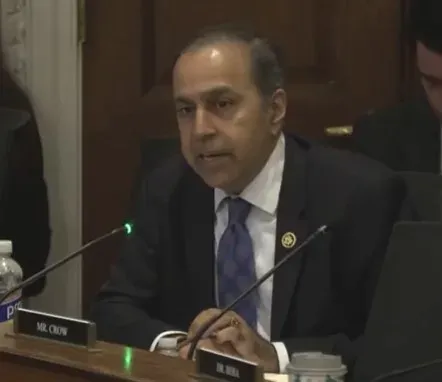
Washington, Feb 12 (NationPress) A coalition of 100 bipartisan Congress members has formally requested that Homeland Security Secretary Kristi Noem exempt the healthcare sector from the newly proposed $100,000 fee on employers applying for H-1B visas. They caution that this fee could exacerbate staffing shortages and hinder access to healthcare throughout the United States.
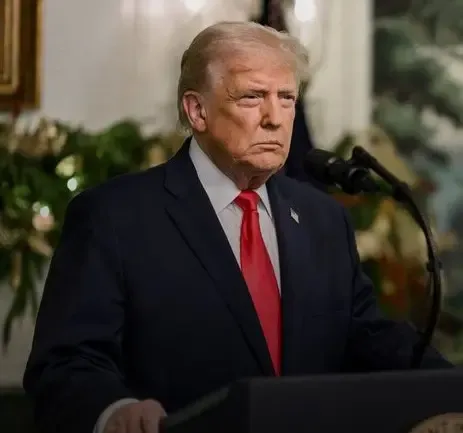
In a letter dated February 11, the lawmakers expressed their serious concerns regarding the ramifications of the September 19 Presidential Proclamation, titled ‘Restriction on Entry of Certain Nonimmigrant Workers,’ on the healthcare workforce.
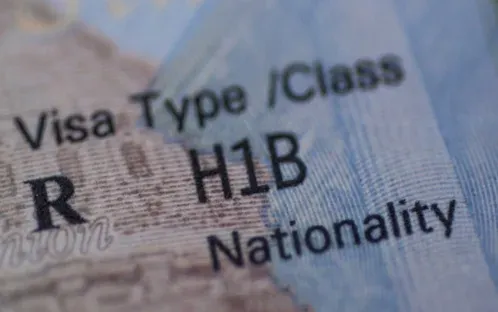
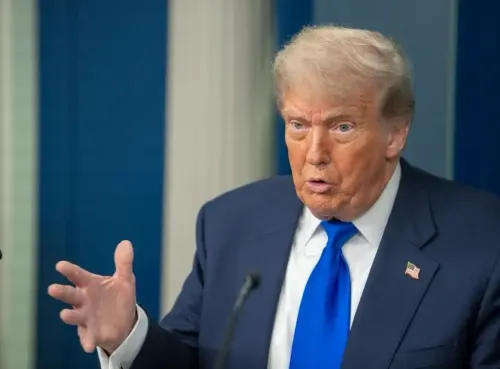
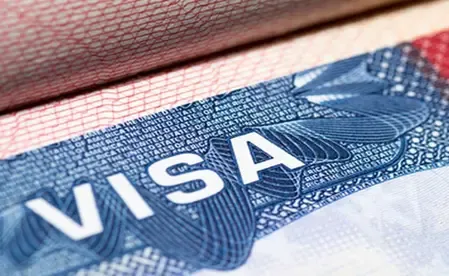
The proclamation imposes a $100,000 fee on employers seeking new H-1B visas but grants the DHS secretary the authority to provide sector-wide exemptions if deemed “in the national interest and not a threat to the security or welfare of the United States.”
“We urge you to establish a healthcare sector exemption to alleviate the strain on the healthcare workforce,” the lawmakers wrote.
The letter referenced federal statistics indicating that workforce shortages already impact millions. “According to the Health Resources and Services Administration, nearly 87 million Americans reside in areas officially designated as lacking sufficient medical professionals to meet their healthcare needs.” The demand for physicians “could surpass supply by as much as 86,000 within the next decade,” and clinical laboratory science programs are producing “less than half the number of professionals necessary.”
“These shortages cannot be addressed solely by the domestic workforce, and projections will worsen if healthcare employers are unable to recruit and retain international healthcare workers,” the members emphasized.
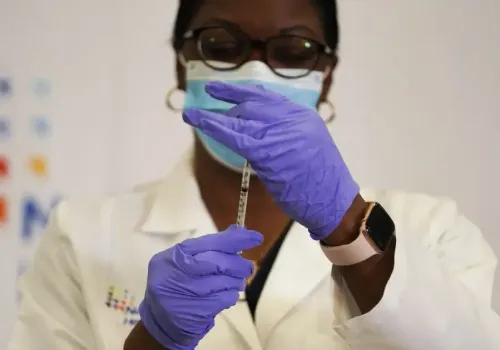
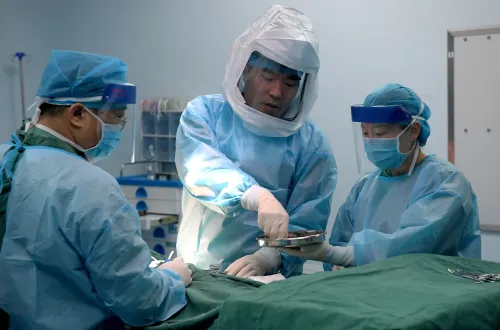
For over three decades, healthcare employers have utilized the H-1B visa program to attract physicians, advanced practice professionals, laboratory technicians, and researchers, many of whom serve in underserved areas and contribute to biomedical research.
“Healthcare organizations must recruit staff in the most economically feasible way to maximize their resources for hiring caregivers and serving their communities,” the letter stated. Rural hospitals and urban safety-net facilities “will feel the impacts of the $100,000 fee most acutely.”
“Implementing a $100,000 fee for new H-1B visa applications will worsen existing staffing issues for hospitals and could financially jeopardize chronically underfunded institutions,” the members cautioned. “Essential open roles will remain unfilled, depriving rural and high-poverty urban areas of necessary healthcare access.”
“We strongly advocate for the health sector to be exempt from this burdensome fee.”
The letter was spearheaded by Representatives Yvette D. Clarke and Michael Lawler, gaining support from a broad bipartisan array in both chambers, including Senator Kirsten Gillibrand.
Major health organizations, such as the American Hospital Association, the Association of American Medical Colleges, the Greater New York Hospital Association, and the California Medical Association, endorse this initiative.
The H-1B visa program enables US employers to hire foreign professionals in specialized fields. Notably, Indian nationals represent a significant portion of H-1B approvals annually, with many employed in technology, healthcare, and research.
Discussions surrounding H-1B policy have intensified in recent years due to broader immigration restrictions and workforce concerns. Healthcare leaders continuously assert that international medical graduates and specialists are crucial for staffing underserved and rural areas nationwide.
Point of View
It’s essential to recognize the urgency behind the bipartisan push to exempt the healthcare sector from the newly imposed $100,000 fee on H-1B visa applications. This initiative highlights the pressing need for a robust healthcare workforce, especially in underserved areas. Policymakers must prioritize solutions that safeguard patient access and support healthcare providers in their mission to serve communities effectively.
NationPress
1 Oct 2026
Frequently Asked Questions
What is the $100,000 fee related to H-1B visas?
The $100,000 fee is a new charge imposed on employers petitioning for H-1B visas, which has raised concerns about its impact on healthcare staffing shortages.
How many lawmakers are supporting the exemption for healthcare?
A bipartisan group of 100 lawmakers is advocating for the healthcare sector to be exempt from the new fee.
Why is the healthcare sector's exemption important?
Exempting the healthcare sector is crucial to ensure that staffing shortages do not worsen, which could limit access to care for millions of Americans.
Who led the letter urging the exemption?
The letter was led by Representatives Yvette D. Clarke and Michael Lawler .
What organizations support this initiative?
The initiative is backed by several major health organizations, including the American Hospital Association and the California Medical Association .