Debate on US Visa Fees Raises Concerns for Indian Doctors
Synopsis
A recent congressional hearing has sparked significant discussion regarding proposed increases in H-1B visa fees, raising concerns about the impact on Indian medical graduates and the already strained healthcare workforce in the United States.
Key Takeaways
Proposed H-1B visa fee increase to $100,000 raises concerns.
Potential negative impact on rural hospitals hiring foreign-trained doctors.
US projected to face a shortage of 187,000 physicians by 2037.
Indian medical graduates are crucial to primary care in the US.
Legislation may be introduced to address loss of residency slots for American graduates.
Washington, Feb 25 (NationPress) A contentious congressional hearing regarding the escalating shortage of physicians in the United States has unveiled a critical issue that may significantly impact Indian medical graduates aspiring to build their careers in the country.
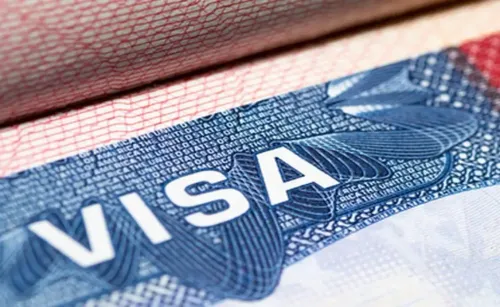
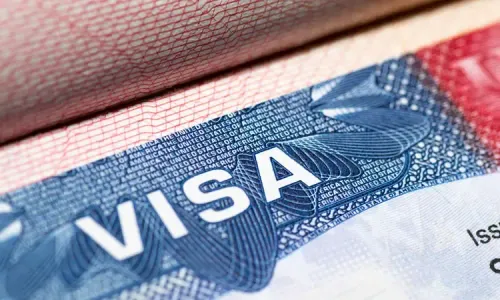
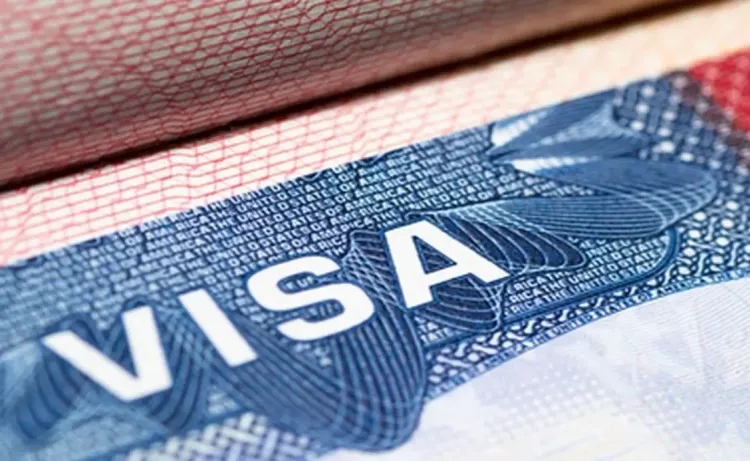
The focal point of the debate is a proposed supplemental fee of $100,000 for new H-1B visas, which is alarmingly higher than the current employer-funded processing fees. Lawmakers engaged in discussions on Tuesday about whether this increase would discourage rural hospitals from recruiting foreign-trained doctors, especially as the nation grapples with increasing workforce shortages.
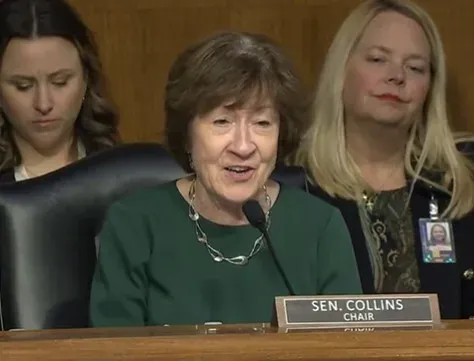
This conversation took place during a Ways and Means health subcommittee session aimed at enhancing graduate medical education (GME) and fortifying health care delivery in rural areas.
Congressman Adrian Smith highlighted the pressing issue, stating that the United States is facing “a very real problem with a rapidly depleting health care workforce.”
“By the year 2037, the United States is projected to experience a deficit of 187,000 physicians, with nearly half of the practicing physicians expected to retire within the next decade,” he remarked.
Especially affected are rural regions, where “83 million Americans reside in areas that lack sufficient primary care physicians,” Smith pointed out, noting that only “2 percent of residencies are located in rural America.”
While bipartisan efforts to expand Medicare-supported residency slots were applauded, immigration policy became a contentious topic.
Congresswoman Linda Sanchez raised concerns about the proposed rise in visa fees and its potential impact on underprivileged communities that heavily depend on international medical graduates. Dr. Andrew Racine, president of the American Academy of Pediatrics, emphasized that “any reduction in supply will adversely affect our ability to meet children’s needs.”
Several lawmakers acknowledged the crucial role foreign-trained physicians play in residency programs and rural healthcare systems.
Although India was not specifically mentioned during the hearing, it is worth noting that Indian nationals traditionally represent one of the largest groups of international medical graduates in the United States, particularly in fields such as internal medicine, family medicine, and other primary care specialties.
Many international medical graduates, especially those from India, work in rural and underserved areas under visa arrangements linked to their service obligations. Lawmakers expressed concern that any significant rise in visa fees could pose financial challenges for small community hospitals already functioning on tight budgets.
Jason Shenefield, CEO of Phelps Health in Missouri, informed lawmakers that his rural healthcare system anticipates a loss of “close to about $100,000 per resident” due to current financial conditions. Additional immigration-related expenses, they suggested, could exacerbate the strain on such facilities.
On another note, some Republican lawmakers contended that immigration policy should not replace necessary reforms in domestic medical training. Congressman Greg Steube claimed that American medical graduates are losing residency spots to foreign doctors and pledged to propose legislation to address this matter.
Beyond immigration discussions, lawmakers also deliberated on expanding Medicare-funded residency slots. A bipartisan initiative aims to introduce 14,000 new positions over seven years, focusing on rural and underserved regions.
Currently, Medicare allocates approximately $22 billion each year for GME, yet caps imposed in 1997 continue to influence the distribution of residency positions.
For Indian medical students aiming for US licensure and residency—a process that necessitates passing US licensing exams and securing accredited training slots—this ongoing discussion introduces a level of uncertainty.
As Congress evaluates workforce expansion alongside immigration policies and funding formulas, the hearing highlighted the intricate relationship between US domestic health policy and global medical mobility.
Point of View
The increasing visa fees proposed in Congress highlight a critical intersection of immigration policy and healthcare delivery. As the US faces a physician shortage, especially in rural areas, the implications for international medical graduates, particularly from India, cannot be overlooked in the pursuit of a sustainable healthcare workforce.
NationPress
30 Sept 2026
Frequently Asked Questions
What is the proposed fee for H-1B visas?
The proposed fee for new H-1B visas is $100,000, significantly higher than the current employer-paid processing costs.
How will the visa fee increase impact rural healthcare?
Lawmakers are concerned that the increased fees will deter rural hospitals from hiring foreign-trained physicians, further exacerbating the healthcare workforce shortage.
Why are Indian medical graduates important to the US healthcare system?
Indian medical graduates represent one of the largest groups of international medical professionals in the US, particularly in primary care specialties, and play a vital role in addressing healthcare needs in underserved areas.
What are the potential consequences of high visa fees for community hospitals?
Rising visa fees could create financial burdens for small community hospitals, which already operate on tight margins, making it difficult to recruit necessary healthcare staff.
What is being proposed to address the physician shortage?
A bipartisan proposal seeks to add 14,000 Medicare-funded residency slots over seven years, focusing on rural and underserved areas to help alleviate the physician shortage.