H-1B reform: US Democrats, Republicans split on fixes vs ban
Synopsis
Everyone in Washington wants to fix the H-1B programme, but they disagree on what fixing means. Democrats such as Durbin, Khanna and Gallego want tougher oversight. Republicans such as Steube and Crane want zero visas or a three-year freeze. For Indians, who receive 69.9% of approvals, that difference is the whole story.
Key Takeaways
US lawmakers from both parties want H-1B changes, ranging from worker protections to suspending visas.
India-born beneficiaries received 69.9 per cent of approved H-1B petitions in fiscal 2025, according to USCIS .
Senator-elect Scott Colom called for training Americans for tech jobs at a 24 November town hall in Fulton .
Grassley and Durbin reintroduced the H-1B and L-1 Visa Reform Act in September 2025 .
Durbin opposed Trump's $100,000 payment.
Greg Steube's EXILE Act would set the H-1B cap at zero from fiscal 2027 .
Eli Crane's bill would halt issuance for three years and set a $200,000 minimum salary.
Calls to reform the H-1B visa programme are coming from both Democrats and Republicans in Washington, but their proposals point in very different directions. Some lawmakers want stronger protections for American and foreign workers. Others want to suspend visa issuance or sharply restrict hiring from abroad.
The gap matters most to Indian professionals, who receive the largest share of approved H-1B petitions. Criticism of how employers hire does not necessarily mean support for ending the programme or for the Trump administration's approach.
Colom Adds a New Voice to the Debate
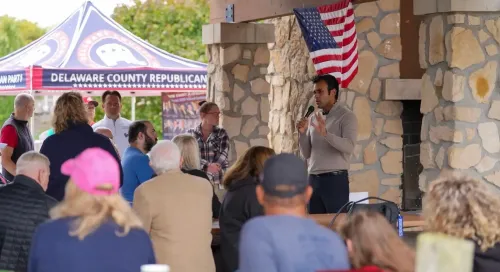
Mississippi Senator-elect Scott Colom joined the discussion at a 24 November town hall in Fulton, where he called for more focus on training people in the United States for technology jobs.
“I think we need to make sure that people in America can get these tech jobs that Microsoft is offering,” the Democrat said, according to a 25 November report by Magnolia Tribune.
Colom defeated Republican incumbent Cindy Hyde-Smith. He argued that companies had too often looked overseas to fill these positions. His remarks came as part of a broader answer on immigration and border security.
The stakes for India are large. According to the fiscal 2025 report of US Citizenship and Immigration Services (USCIS), India-born beneficiaries accounted for 69.9 per cent of approved H-1B petitions.
Bipartisan Reform Efforts Predate Colom
Efforts across party lines to change the programme began well before Colom's election. In September 2025, Republican Senator Chuck Grassley and Democratic Senator Dick Durbin reintroduced the H-1B and L-1 Visa Reform Act.
The sponsors said the bill would:
- tighten wage and recruitment requirements
- raise penalties for violations
- give the Labor Department more enforcement powers
- require employers seeking H-1B workers to post jobs on a searchable government website open to American workers and laid-off visa holders
Durbin criticised companies that lay off American employees while seeking foreign workers. However, he also opposed the $100,000 payment announced by President Donald Trump that same month. He argued it would put rural hospitals and universities at a disadvantage.
The bill's stated aims include protecting visa holders from exploitation as well as protecting American workers. Its original cosponsors were Republican Tommy Tuberville, Democrat Richard Blumenthal and independent Bernie Sanders.
Democrats Who Back Oversight, Not Abolition
California Congressman Ro Khanna also pairs criticism of employer abuses with support for skilled immigration. On his immigration policy page, the Indian American Democrat calls for stopping companies from displacing or underpaying workers. He also credits immigrants who arrived on H-1B visas with helping build Silicon Valley's technology leadership, and he supports keeping visas for highly skilled foreign workers.
Arizona Democratic Senator Ruben Gallego has pushed for closer scrutiny of corporate hiring. Gallego argued that skilled immigration can grow the economy and create jobs. He also asked agencies to investigate whether employers were using visas to undercut American employees. His position calls for stronger oversight rather than ending the programme.
Republican Proposals Go Much Further
Some Republican measures take a far harder line. Florida Congressman Greg Steube's EXILE Act, introduced in February, would set the statutory annual H-1B limit at zero from fiscal 2027. Steube describes the bill as legislation to end the programme.
Arizona Congressman Eli Crane's April proposal would block H-1B visa issuance for three years after enactment. It also proposes:
- a lower annual cap
- a $200,000 minimum salary
- restrictions on third-party employment
What It Means for Indian Professionals
The proposals can be grouped into two broad camps. One camp would tighten wages, recruitment and enforcement while keeping the programme. The other would pause it or abolish it outright. For Indian workers, the difference between these camps is far more important than the shared language of reform.
Which approach gains momentum in the new Congress will shape the prospects of thousands of Indian tech professionals and the companies that hire them.
Point of View
Durbin's opposition to Trump's $100,000 fee shows that even fierce critics of employer behaviour see blanket barriers as harmful. For New Delhi and Indian IT, the strategic priority should be to engage the reform camp on enforcement-based fixes before the zero-cap bills gain political traction.
NationPress
29 Nov 2026
Frequently Asked Questions
Which US lawmakers want to reform the H-1B visa programme?
Lawmakers from both parties have backed changes, including Democrats Dick Durbin, Ro Khanna, Ruben Gallego and Scott Colom, and Republicans Chuck Grassley, Greg Steube and Eli Crane. Their proposals range from tougher oversight to ending the programme.
What is the H-1B and L-1 Visa Reform Act?
It is a bipartisan bill reintroduced by Senators Chuck Grassley and Dick Durbin in September 2025. It would tighten wage and recruitment rules, raise penalties, expand Labor Department enforcement and require jobs to be posted on a searchable government website.
What does the EXILE Act propose for H-1B visas?
Congressman Greg Steube's EXILE Act would set the annual statutory H-1B limit at zero from fiscal 2027. Steube describes it as legislation to end the programme.
How many H-1B approvals go to Indians?
India-born beneficiaries accounted for 69.9 per cent of approved H-1B petitions in fiscal 2025, according to USCIS. This makes Indians the largest group affected by any change.
What did Scott Colom say about H-1B and tech jobs?
At a 24 November town hall in Fulton, the Mississippi Senator-elect said Americans should be able to get tech jobs such as those Microsoft is offering. He argued companies had too often looked overseas to fill those roles.