Trump visa curbs hit US hospitals, Boeing deals: WSJ report
Synopsis
A rural Iowa hospital where 30% of doctors began as international students says it may soon lack the budget to hire. Visa bonds of up to $20,000 have delayed Boeing's talks with over two dozen airlines. An executive with a pending green card was pulled off a plane. Trump's immigration crackdown is now hitting American businesses directly.
Key Takeaways
A Wall Street Journal report published on Saturday details how Trump administration limits on legal immigration are straining US employers.
About 30 per cent of Great River Health's 129 doctors in Iowa came to the US as international students; the system is rushing to hire three doctors before a new fee applies.
Visa-bond rules have reportedly delayed Boeing's aircraft-sale talks with more than two dozen foreign airlines.
A State Department rule effective 3 August allows visa bonds of $10,000 , $15,000 or $20,000 to curb overstays.
A Brazilian executive with a pending green card was detained at Kansas City airport in July ; DHS said a pending application does not confer legal status.
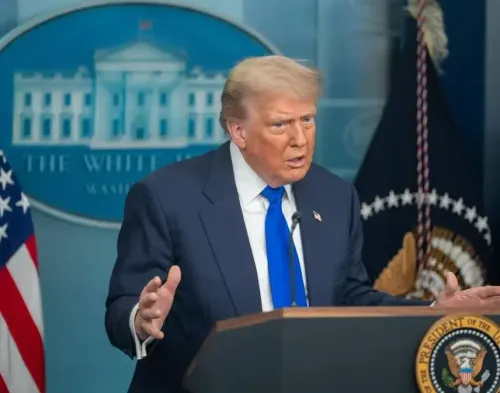
The White House says the curbs protect American jobs and that there is “no shortage of talent” in the US.
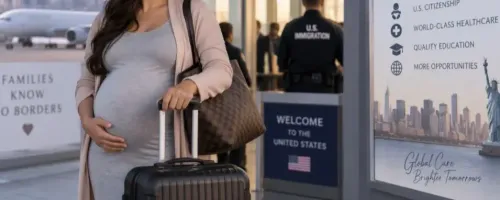
The Trump administration's restrictions on legal immigration are straining American employers and foreign professionals, according to a Wall Street Journal report published on Saturday. The report describes a rural hospital system in Iowa struggling to recruit doctors, Boeing facing delays in talks with foreign airlines, and an overseas-born executive detained while awaiting a green card.
The investigation points to higher costs, closer scrutiny and lengthy processing delays across the US immigration system. The White House defended its approach, saying it is protecting American workers from abuse of immigration programmes.
Rural Hospital Races to Hire Before New Fee
At Great River Health in southeastern Iowa, chief medical officer Dr Joel Ryon told the Journal that roughly 30 per cent of the system's 129 doctors first came to the United States as international students.
Ryon said recruiting American doctors to that rural part of the state was difficult. Foreign doctors, he said, were more willing to relocate when a job offered a way to keep their visas and build a future in the country.
He said he was trying to recruit three doctors before an anticipated new fee takes effect. “We have to continue with our current recruitment plan, because if not we won't have enough doctors,” he told the newspaper. Once the extra cost applies, he said, “we just won't have the budget for it.”
Visa Bonds Delay Boeing's Airline Talks
The report also described obstacles facing Boeing as executives and pilots from foreign airlines try to visit its American facilities for commercial talks and training. Citing people familiar with the matter, the Journal said visa-bond requirements had delayed aircraft-purchase negotiations involving more than two dozen foreign airlines.
A State Department final rule, effective 3 August, set up a permanent programme allowing bonds of $10,000, $15,000 or $20,000 for covered business and tourist visa applicants. The department said the measure was meant to reduce visa overstays. The bonds are returned once their conditions are met.
Executive Detained at Kansas City Airport
For individual workers, the uncertainty goes beyond hiring and travel. Immigration lawyer Rekha Sharma-Crawford told the Journal that a Brazilian executive working for an American multinational was removed from a flight at Kansas City airport in July and taken into immigration detention.
According to her account, the executive had worked on an L-1 visa before his employer sponsored him for a green card. His visa expired while the application was still pending. Sharma-Crawford said officers tried to persuade him to abandon his case and leave the country. She said he was released several days later after a judge granted bond.
“The business world, they're looking at situations like these and asking, ‘Does this stuff really happen?’” she said. “And the answer these days is, yes.”
A Department of Homeland Security (DHS) spokesperson confirmed the case to the Journal and said a pending application does not confer legal status. The report noted the difference between a period of authorised stay while an application is pending and holding lawful immigration status. It did not identify the executive or his employer.
Pressure on the Student-to-Worker Pathway
The newspaper also examined pressure on the route foreign students use after graduating from American universities. That route runs from post-study work permission to employer-sponsored visas and, later, permanent residence. The report described efforts to restrict parts of student employment and to raise the costs and requirements for employers hiring foreign graduates.
The administration argued that tighter rules would counter fraud and stop employers from using foreign workers to undercut American salaries. “There is no shortage of talent in our country, and the Trump Administration will continue to implement policies that create good jobs for Americans,” White House spokeswoman Taylor Rogers told the Journal. A DHS spokesperson separately said the department would not sacrifice screening quality for speed.
Supporters of the restrictions also questioned employers' claims of shortages. Rosemary Jenks, co-founder of the Immigration Accountability Project, pointed to the difficulties young Americans face in finding technology jobs. “Young Americans have done everything right. They've learned to code, and still, they can't find jobs,” she told the Journal.
For hospitals like Ryon's, the immediate question is whether they can still afford to recruit the doctors they need. That question is likely to sharpen as the new costs take effect.
Point of View
And Boeing struggling to close export deals, are not cases of foreign workers undercutting wages. They suggest the curbs may be hurting American healthcare access and American manufacturing exports. For India, which sends large numbers of students and skilled professionals along the study-to-work-to-green-card route, the squeeze on that pathway is the real story. The Kansas City detention also shows that 'pending' status now offers little protection. Washington has yet to show credible data that these costs are buying the job gains it promises.
NationPress
29 Nov 2026
Frequently Asked Questions
How are Trump's immigration restrictions affecting US businesses?
According to a Wall Street Journal report, the restrictions are raising costs, increasing scrutiny and lengthening delays for employers. A rural Iowa hospital fears it cannot afford to recruit foreign doctors, and Boeing's talks with more than two dozen foreign airlines have reportedly been delayed.
What is the US visa bond rule?
It is a State Department final rule, effective 3 August, that created a permanent programme allowing bonds of $10,000, $15,000 or $20,000 for covered business and tourist visa applicants. The department says it aims to reduce overstays, and the bonds are returned when their conditions are met.
Why was a Brazilian executive detained at Kansas City airport?
His L-1 visa had expired while his employer-sponsored green card application was still pending, according to his lawyer, Rekha Sharma-Crawford. DHS confirmed the case and said a pending application does not confer legal status. He was released several days later after a judge granted bond.
What has the White House said about the immigration curbs?
The White House says the policies protect American workers from abuse of immigration programmes. Spokeswoman Taylor Rogers said there is “no shortage of talent” in the US, and DHS said it would not sacrifice screening quality for speed.
Who is affected by the changes to the student-to-work visa pathway?
Foreign graduates of American universities and the employers who hire them are most affected. The report describes efforts to restrict parts of student employment and to raise the costs and requirements for employers sponsoring foreign graduates.