Escalating Attacks on Healthcare in Lebanon Amid Gaza Crisis: UN Reports
Synopsis
As violence escalates in the Middle East, the UN reveals a troubling rise in assaults on healthcare in Lebanon and significant barriers to humanitarian efforts in Gaza. Immediate action is needed to protect medical personnel and ensure the delivery of aid.
Key Takeaways
Attacks on healthcare facilities in Lebanon have surged, with numerous medical workers affected.
The UN emphasizes the necessity for protection of health workers amid escalating violence.
Humanitarian access to Gaza is increasingly limited, impacting aid delivery.
International NGOs are vital to the humanitarian response but face operational challenges.
The situation demands immediate action to safeguard civilians and healthcare providers.
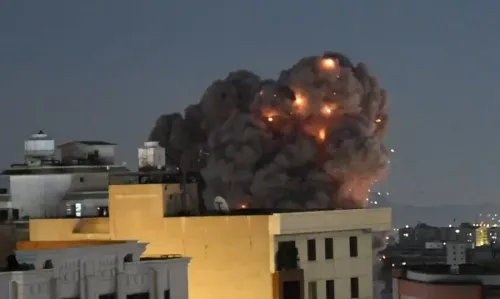
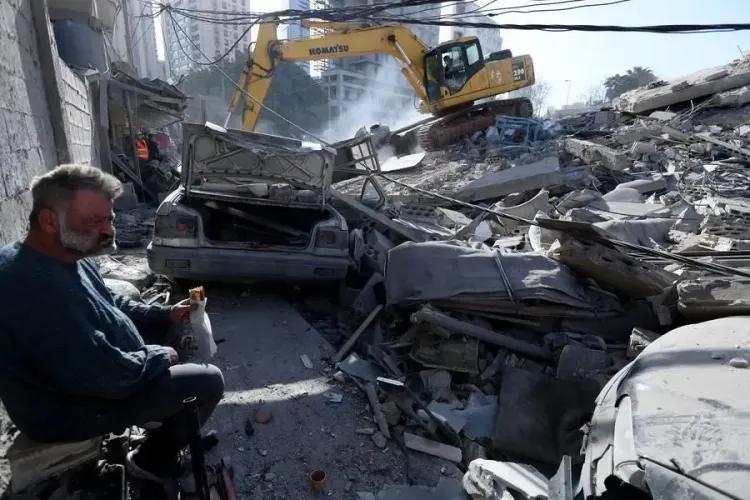
United Nations, March 31 (NationPress) As tensions escalate in the Middle East, UN humanitarian officials have highlighted a disturbing increase in assaults on healthcare services in Lebanon, alongside mounting barriers to humanitarian efforts in the Gaza Strip.
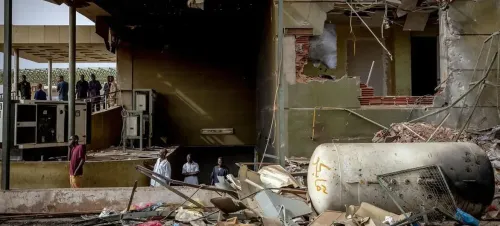
The UN Office for the Coordination of Humanitarian Affairs (OCHA) has reported that the frequency of assaults on healthcare facilities, ambulances, and medical staff in Lebanon is rising at an alarming pace.
According to the World Health Organization (WHO), there were seven recorded incidents over the recent weekend, resulting in the deaths of at least nine healthcare workers while they were fulfilling their duties.
In southern Lebanon, OCHA noted that strikes targeted ambulances, including those transporting victims from a prior assault in Kfar Sir, located in the Nabatieh governorate.
Since the onset of the recent conflict, OCHA has documented 87 attacks on healthcare, leading to the deaths of 52 health workers and injuring 126 others.
In a joint statement released over the weekend, Imran Riza, the UN's deputy special coordinator and humanitarian coordinator for Lebanon, along with WHO Representative in Lebanon Abdinasir Abubakar, urged for the safeguarding of health workers and first responders, asserting that medical personnel and facilities should never be targets.
Reports from Lebanese authorities indicated that at least 96 individuals lost their lives over the weekend, raising the total death toll since the escalation began to 1,238, with over 3,500 injured.
Despite the deteriorating security situation, OCHA affirmed that it and its partners are collaborating closely with the government to assist those in need. The WHO and health partners have conducted over 33,500 medical consultations for displaced individuals and provided essential medicines to more than 22,500 people.
In the occupied Palestinian territories, OCHA reported that lethal assaults affecting civilians persist in both Gaza and the West Bank, as restrictions on humanitarian efforts continue to tighten.
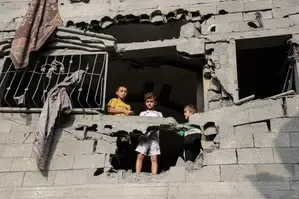
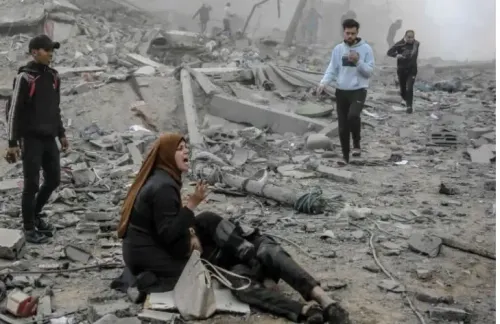
During the weekend, airstrikes and shelling reportedly impacted residential neighborhoods in Gaza. In the West Bank, OCHA documented incidents of fatal shootings by Israeli forces and assaults connected to Israeli settlers.
International non-governmental organizations (NGOs) announced on Monday their intention to submit a petition to the Israeli High Court of Justice, contesting a new registration system for NGOs, which they claim further limits their operational capabilities in Israel and the occupied Palestinian territories.
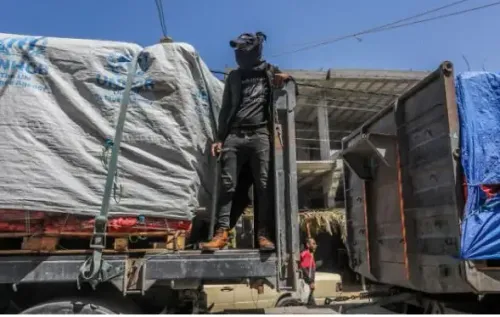
OCHA emphasized that international NGOs are vital for the humanitarian response, collectively providing around $1 billion in assistance annually in the territories. The new registration requirements are among various measures hampering access to humanitarian services.
The office urged Israeli authorities to ensure the swift and unobstructed delivery of humanitarian aid, to reverse policies that hinder humanitarian operations, and to guarantee that humanitarian organizations can function according to humanitarian principles, as reported by Xinhua news agency.
OCHA stressed that civilians must always be protected and that lethal force in law enforcement should be utilized only as a last resort. Those responsible for unlawful attacks must be held accountable.
Point of View
The situation in Lebanon is dire, with escalating violence threatening not only healthcare providers but also the very fabric of humanitarian efforts in the region. The international community must prioritize accountability and protection for health workers to ensure that essential services continue amidst the chaos.
NationPress
20 Sept 2026
Frequently Asked Questions
What is causing the rise in attacks on healthcare in Lebanon?
The rise in attacks is primarily attributed to the ongoing conflict in the Middle East, which has intensified hostilities and created a perilous environment for medical personnel and facilities.
How many healthcare workers have been affected by the violence?
So far, 52 healthcare workers have been killed and 126 injured due to attacks recorded since the escalation of violence began.
What actions are being taken to protect healthcare workers?
UN leaders have called for the protection of medical personnel, asserting that they and their facilities must not be targeted during conflicts.
What is the current status of humanitarian aid in Gaza?
Humanitarian access in Gaza is severely restricted, with ongoing lethal attacks affecting civilians and increasing barriers to aid delivery.
What role do international NGOs play in this crisis?
International NGOs are crucial for delivering humanitarian assistance, providing approximately $1 billion in aid each year, but are facing new restrictions that hinder their operations.