UN Reports Civilian Infrastructure Damage in Iran Amid Humanitarian Crisis
Synopsis
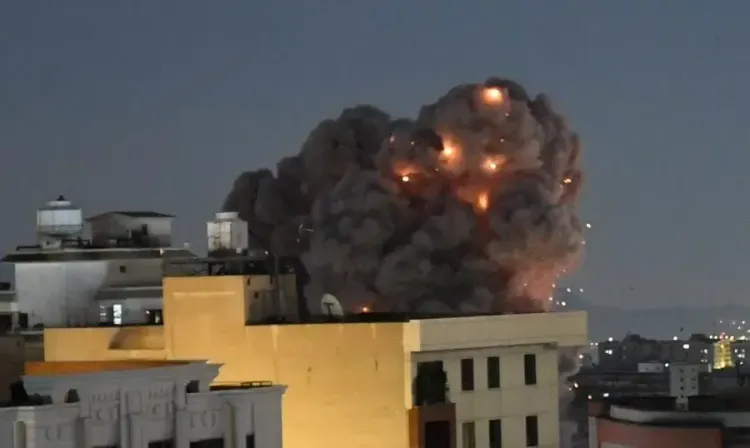
Recent airstrikes in Iran have critically damaged civilian infrastructure, heightening the need for humanitarian aid as access issues persist for aid workers in the Middle East. This situation poses significant challenges for vulnerable populations, requiring urgent international support.
Key Takeaways
Airstrikes in Iran have significantly damaged civilian infrastructure.
Over 115,000 buildings affected, including health and education facilities.
Ongoing humanitarian support for vulnerable populations in Iran.
Lebanon's funding for humanitarian aid is critically low.
Economic impacts are expected to affect global trade and inflation.
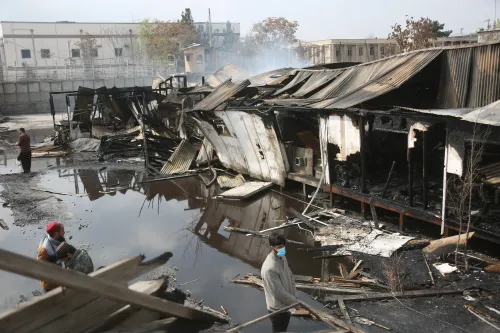
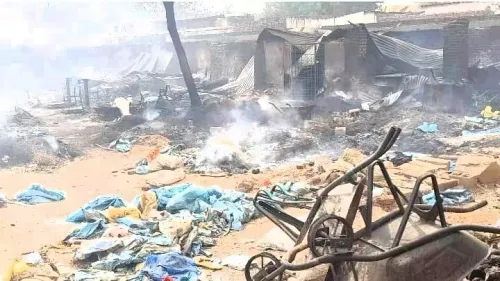
The United Nations reported on April 2 that recent airstrikes in Iran have severely damaged civilian infrastructure, exacerbating the humanitarian challenges faced by aid workers in the Middle East due to access issues. The UN Office for the Coordination of Humanitarian Affairs (OCHA) indicated that these attacks have significantly disrupted essential services. According to Iran's Ministry of Health, the airstrikes have led to the destruction of 309 health facilities and 42 ambulances, with seven hospitals evacuated since hostilities began on February 28.
OCHA noted widespread power outages and disruptions, particularly affecting a desalination plant on Qeshm Island in Hormozgan Province, as reported by Xinhua news agency.
The Iranian Red Crescent Society (IRCS) disclosed that over 115,000 civilian buildings, encompassing health, education, residential, and commercial sectors, have been impacted. The Ministry of Education has recorded damage to more than 700 educational institutions. Humanitarian teams are actively engaged, with IRCS operating in over 1,200 affected regions.
In addition, OCHA highlighted that UN agencies are providing support to vulnerable communities in Iran.
The UN Refugee Agency has aided more than 42,000 Afghan refugees with various forms of assistance, including counseling, legal aid, cash support, and psychosocial services.
The International Organization for Migration is offering protection services, direct cash assistance, and aid to stranded migrants.
In Lebanon, humanitarian needs are escalating beyond the available resources amidst ongoing violence. OCHA reported that only about one-third of the 308 million US dollars needed for the Lebanon Flash Appeal has been funded, amounting to roughly 94 million, stressing the urgent need for additional funding to maintain and expand humanitarian efforts.
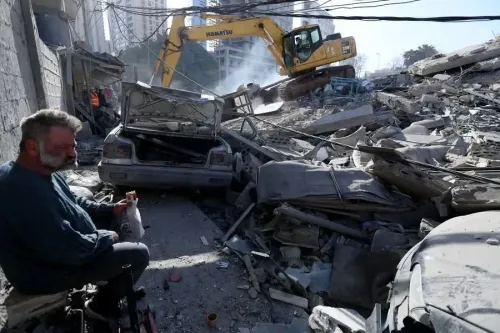
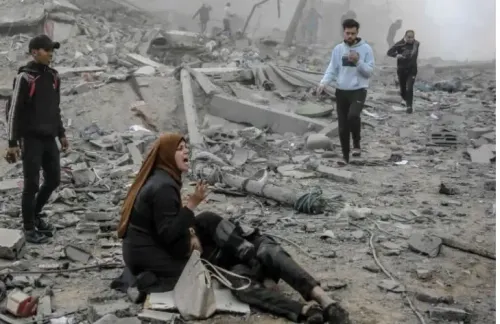
The Lebanese Ministry of Public Health has reported at least 1,268 fatalities and 3,750 injuries since the conflict intensified in the southern region. Strikes continue to impact civilian areas, including Jnah and Khalde near Beirut, where recent attacks resulted in at least seven deaths and over 20 injuries.
Despite these challenges, OCHA affirmed that UN agencies and partners are intensifying efforts to safeguard civilians. Thousands of children and caregivers have received psychosocial support, and initiatives are underway to reunite families while raising awareness about the risks posed by explosive remnants of war.
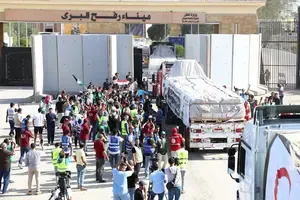
In Gaza, humanitarian operations are ongoing under severe limitations at the Kerem Shalom/Karem Abu Salem crossing. Aid workers managed to deliver over 270,000 liters of fuel to sustain essential services on Tuesday.
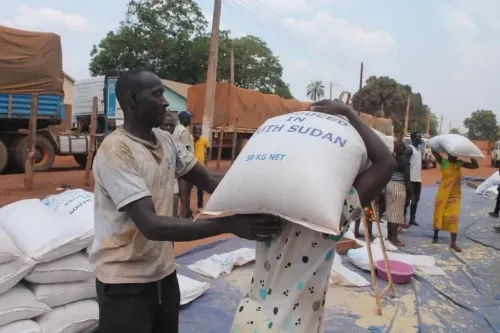
The Food and Agriculture Organization (FAO) has gathered animal fodder, while the UN Children's Fund successfully retrieved over 240 pallets of supplies, which include nutrition items, medications, and hygiene kits.
OCHA reiterated its appeal for additional crossings to facilitate the movement of people and goods.
Furthermore, the FAO announced an increase in cash assistance aimed at supporting local agricultural production for an additional 1,000 farmers in Gaza, building on a pilot program that previously aided 200 farmers in producing more than 500 tonnes of vegetables last year.
The broader economic repercussions from the regional escalation are also intensifying.
According to the UN Trade and Development (UNCTAD), maritime traffic through the Strait of Hormuz has plummeted by approximately 95 percent in the last month, nearly halting shipping in the area. The agency warned that this decline could reduce global merchandise trade growth by at least one percentage point and contribute to inflation through rising oil prices.
UNCTAD projects global GDP growth of about 2.6 percent this year, alongside declining stock markets and currency depreciation in developing nations. It urged governments to implement measures to stabilize prices and empower development banks to provide emergency funding.
As conflicts, displacement, and economic disruptions persist across multiple regions, UN officials emphasized the necessity of ensuring humanitarian access, securing ongoing funding, and adhering to international law to avert further deterioration of civilian conditions across the area.
Point of View
It's evident that the humanitarian crisis in Iran has reached critical levels due to ongoing airstrikes damaging civilian infrastructure. The international community must prioritize humanitarian access and support to alleviate the suffering of affected populations.
NationPress
20 Sept 2026
Frequently Asked Questions
What impact have the airstrikes had on healthcare in Iran?
The airstrikes have damaged 309 health facilities and 42 ambulances, severely affecting healthcare services.
How many civilians have been affected in Iran?
Over 115,000 civilian buildings, including health, education, and residential facilities, have been impacted by the strikes.
What assistance is being provided to Afghan refugees?
The UN Refugee Agency has assisted over 42,000 Afghan refugees with counseling, legal aid, cash assistance, and psychosocial support.
What are the humanitarian needs in Lebanon?
Lebanon faces escalating humanitarian needs, with only one-third of the required funding for relief efforts currently secured.
What is the economic impact of the conflict in the region?
The conflict has caused a 95% drop in maritime traffic through the Strait of Hormuz, which could negatively affect global trade and lead to inflation.