UN Reports Humanitarian Crisis in Cuba Due to Fuel Shortages
Synopsis
Cuba is facing a dire humanitarian crisis as fuel shortages cripple its healthcare system. The United Nations has expressed grave concerns over the situation, which is impacting essential services like cancer treatment, emergency care, and food supply chains. Urgent aid is needed to alleviate the suffering of the population.
Key Takeaways
Fuel shortages in Cuba are causing a humanitarian crisis.
The healthcare system is at risk, impacting vital medical treatments .
Almost one million people rely on fuel-dependent water supplies.
Food supply chains are increasingly disrupted.
The UN is coordinating international efforts for humanitarian aid.
The United Nations reported on March 11 that severe fuel shortages in Cuba have led to a humanitarian emergency, with the country's healthcare system nearing a breaking point. UN spokesperson Stephane Dujarric expressed profound concern regarding the worsening conditions, attributed to the country's challenges in fuel importation.
"This situation has ignited an energy crisis," he stated.
During a Tuesday briefing, Dujarric mentioned that the UN is in discussions with various member nations, including the United States, to ensure that humanitarian assistance can be provided without hindrance.
The UN Office for the Coordination of Humanitarian Affairs (OCHA) highlighted that medical facilities are experiencing frequent power failures, shortages of critical medications, and an inability to utilize essential medical equipment. This has significantly disrupted care for cancer patients, dialysis, emergency services, and maternal care, among other health services.
According to OCHA, approximately 16,000 cancer patients requiring radiotherapy and over 12,000 needing chemotherapy are unable to receive their treatments due to the ongoing power outages and resource inadequacies. Additionally, ambulances are facing fuel shortages that are delaying urgent medical responses.
OCHA noted that nearly one million individuals rely on water supplied by tanker trucks, which also require fuel. Over 80% of the water-pumping infrastructure is dependent on electricity, leading to widespread service interruptions, as reported by Xinhua news agency.
"The food supply chain is increasingly affected, with failures in cold-chain systems, disrupted transportation routes, and a decline in the availability of essential food items nationwide," the office added.
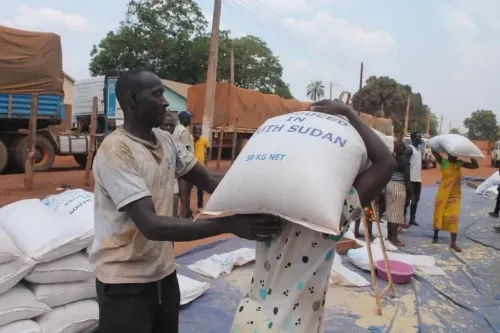
OCHA acknowledged that while its humanitarian partners are striving to provide assistance, the lack of fuel severely restricts the operations of food and water delivery vehicles, with numerous aid containers lingering at the port.
Last month, the US government announced that it would allow a limited amount of oil to be imported into Cuba, but stipulations restrict sales to the private sector, prohibiting transactions with the government. Previously, the US had imposed a ban on Venezuelan oil destined for Cuba.
Point of View
It's evident that Cuba is confronting a significant humanitarian emergency, driven by fuel shortages that jeopardize the health and well-being of its citizens. The UN's intervention underscores the urgency of addressing this crisis to prevent further deterioration of essential services.
NationPress
22 Oct 2026
Frequently Asked Questions
What is causing the humanitarian crisis in Cuba?
The humanitarian crisis in Cuba is primarily due to severe fuel shortages that have disrupted healthcare services, water supply, and food distribution.
How many patients are affected by the treatment shortages?
Approximately 28,000 cancer patients are unable to receive necessary treatments like radiotherapy and chemotherapy due to power outages and resource shortages.
What actions is the UN taking in response to the crisis?
The UN is engaging with member states to facilitate the delivery of humanitarian aid and is actively monitoring the situation in Cuba.
How does the fuel shortage affect the water supply?
Nearly one million people in Cuba depend on water delivered by tanker trucks, which require fuel to operate, leading to disruptions in water availability.
What restrictions are there on oil imports to Cuba from the US?
The US has allowed limited oil imports to Cuba, but sales are restricted to the private sector and cannot be made to the government.