Hormuz oil flows at 8-9 mn barrels daily, says US Energy Secretary Wright

Synopsis
US Energy Secretary Chris Wright is directly contradicting commercial shipping trackers — claiming 8-9 million barrels a day are still moving through the Strait of Hormuz, with vessels running dark and under military escort. The admission that total Gulf exports have still fallen by 5-6 million barrels daily is the number markets should be watching.
Key Takeaways
US Energy Secretary Chris Wright says 8 to 9 million barrels of oil are transiting the Strait of Hormuz daily, as of 14 August .
Commercial tracker Kpler recorded only 14 vessel crossings on both Monday and Tuesday — a fraction of the pre-conflict daily average of over 100 .
Wright attributed the discrepancy to vessels travelling with AIS transponders switched off and operating under US military escort .
Total Arabian Gulf energy exports have dropped from 20 million barrels a day pre-conflict to 14–15 million barrels a day currently — a shortfall of 5–6 million barrels daily .
An additional 6 million barrels are being rerouted through pipelines , according to Wright.
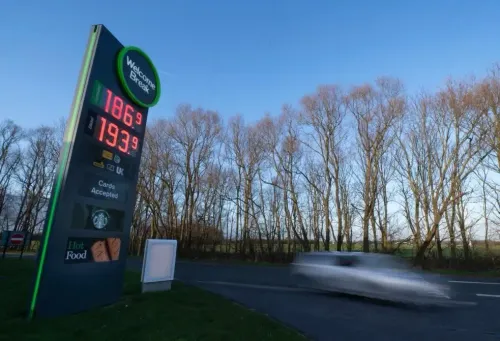
US petrol prices remain near $4 a gallon ; the administration aims to bring them to $3 with no timetable given.
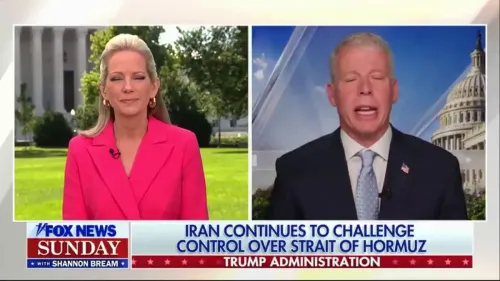
US Energy Secretary Chris Wright on 14 August pushed back against commercial tracking data suggesting a sharp drop in oil shipments through the Strait of Hormuz, asserting that between 8 million and 9 million barrels of crude are transiting the waterway each day — figures the administration says it verifies through direct coordination with vessels.
The Dispute Over Tracking Data
Commercial tracking firm Kpler had previously estimated that more than 100 vessels crossed the strait daily before the conflict with Iran. In the days preceding Wright's remarks, the firm recorded just 14 crossings on Monday and the same number on Tuesday, according to Fox News anchor Bret Baier, who interviewed the secretary.
Wright rejected those figures as an incomplete picture. 'Almost all of these ships have their AIS, their transponders are off. So they're dark, they're under escort,' he said. US authorities, he added, were receiving daily reports on traffic through both northern and southern routes through the strait.
What the Numbers Actually Show
Wright acknowledged that total energy flows from the Arabian Gulf region have fallen. He said roughly 14 to 15 million barrels a day are currently leaving the region, compared with 20 million barrels a day before the conflict — a shortfall of approximately 5 to 6 million barrels daily. However, he argued this gap is smaller than widely reported.
An additional 6 million barrels are being diverted through pipelines, he said, supplementing the Hormuz corridor. The strait links the Persian Gulf with the Gulf of Oman and the Arabian Sea, serving as the principal maritime outlet for energy exports from several Gulf producers.
Iran's Capacity to Disrupt 'Shrinking'
Baier pressed Wright on President Donald Trump's earlier assertion that the United States had total control over the strait. Wright did not repeat that claim. He said Iran was still creating difficulties for neighbouring countries and the global economy, but argued that Tehran's ability to disrupt shipping was diminishing as US escort operations expanded.
'They have sort of one card and it's shrinking in size,' Wright said.
US Petrol Prices and Refining Pressures
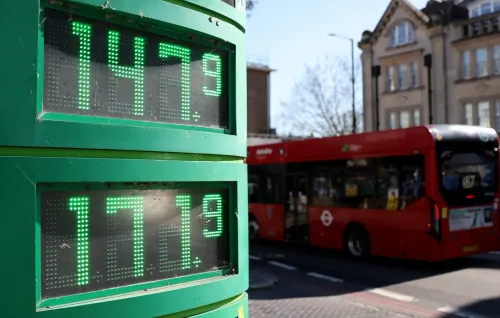
Wright also acknowledged that US petrol prices remain elevated at around $4 a gallon, and said the administration's goal was to bring them back towards $3, though he offered no specific timetable. 'We absolutely will get there. The question is just the timing of that,' he said.
The secretary noted that the more immediate supply constraint is now in refining capacity rather than crude availability. He also cited Ukrainian attacks on Russian refineries as a contributing factor reducing global supplies of refined petroleum products and pushing prices higher.
Strategic Significance of the Strait
The Strait of Hormuz remains one of the world's most critical oil transit chokepoints, handling a significant share of global seaborne crude exports. The current conflict has placed renewed focus on the waterway's vulnerability and the limits of commercial maritime surveillance when vessels operate without transponders under military escort.
With US escort operations reportedly expanding, the coming weeks will test whether Washington's claimed visibility over the strait translates into sustained flow stability — and whether global energy markets accept that assurance.
Point of View
The US government's claimed visibility depends entirely on operational continuity of those escort missions. More telling is what Wright did confirm: Gulf exports are down by 5 to 6 million barrels a day. That is a substantial supply disruption by any measure, even if smaller than feared. The refusal to repeat Trump's 'total control' claim is also notable — it signals that even within the administration, the rhetoric has outrun the operational reality. Markets pricing in a swift resolution should weigh that gap carefully.
NationPress
28 Sept 2026
Frequently Asked Questions
How much oil is flowing through the Strait of Hormuz during the Iran conflict?
US Energy Secretary Chris Wright says 8 to 9 million barrels of oil are transiting the Strait of Hormuz each day on a running average. He disputed commercial tracking figures that showed only 14 vessel crossings per day, saying most ships are running without transponders under US military escort.
Why does commercial tracking data show far fewer ships than the US government claims?
According to Wright, nearly all vessels transiting the strait have switched off their AIS transponders, making them invisible to commercial tracking services like Kpler. The ships are operating under US military escort, and the government says it receives direct daily reports on traffic volumes.
How much has Arabian Gulf oil supply fallen since the conflict began?
Wright said the region is currently exporting 14 to 15 million barrels a day, down from 20 million barrels a day before the conflict — a daily shortfall of approximately 5 to 6 million barrels. An additional 6 million barrels are being diverted through pipelines.
Does the US have total control over the Strait of Hormuz?
Wright declined to repeat President Trump's earlier claim of 'total control' over the strait. He said Iran is still creating difficulties for neighbouring countries and the global economy, but argued that Tehran's capacity to disrupt shipping is declining as US escort operations expand.
Why are US petrol prices still high and when will they fall?
US petrol prices remain around $4 a gallon, according to Wright, who said the administration aims to bring them back towards $3 but offered no timetable. He cited refining capacity constraints and Ukrainian attacks on Russian refineries as factors keeping refined fuel prices elevated.