White House: Hormuz Oil Flow Back to Pre-Conflict Levels
Synopsis
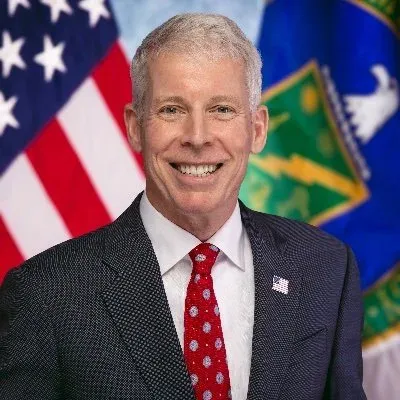
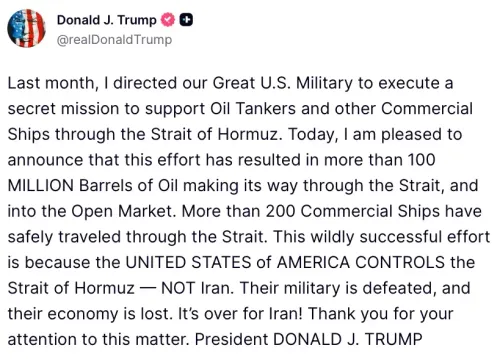
The White House on 21 June 2026 shared Secretary Wright's confirmation that oil and oil product shipments through the Strait of Hormuz have returned to pre-conflict levels, offering a public reassurance to global energy markets and import-dependent economies including India.
Key Takeaways
Secretary Wright confirmed oil and oil products through the Strait of Hormuz are 'about equal to where we were before the conflict.' The White House amplified the statement on 21 June 2026 , signalling an official positive assessment of energy flow normalisation.
The Strait of Hormuz carries roughly one-fifth of global oil trade, making it the world's most critical energy chokepoint.
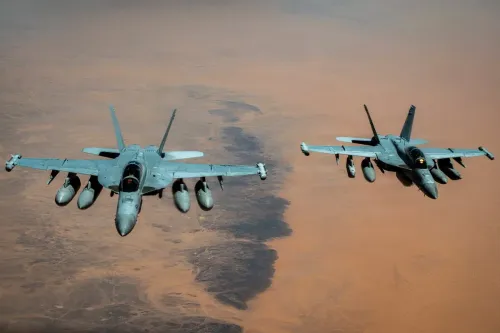
The US Fifth Fleet has maintained freedom-of-navigation operations in the Persian Gulf since 1995 to safeguard transit through the strait.
India , a major Persian Gulf crude importer, stands to benefit from sustained normalisation of Hormuz shipping lanes.
Markets and analysts will watch OPEC+ decisions and US sanctions policy on Iran as key variables for continued stability.
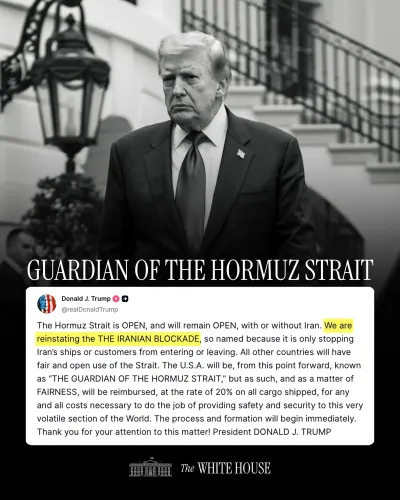
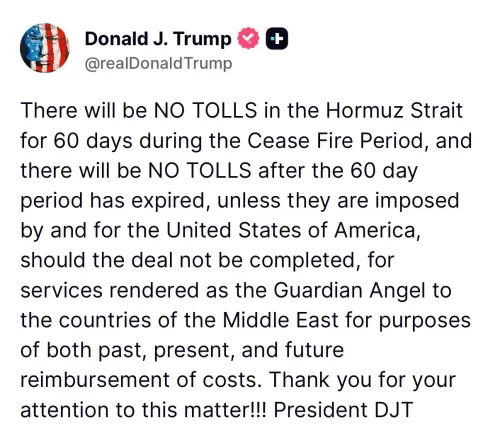
The White House on Sunday, 21 June 2026 shared a statement from Secretary Wright confirming that oil and oil product shipments through the Strait of Hormuz have returned to levels seen before a recent conflict, signalling a stabilisation of one of the world's most critical energy chokepoints.
Context
Secretary Wright, speaking in an official capacity, stated: 'In terms of oil and oil products — about equal to where we were before the conflict.' The White House amplified the remarks with an explicit checkmark signal, framing the development as a positive outcome. The statement addresses both physical shipping volumes and the broader question of energy market stability in the wake of regional tensions.
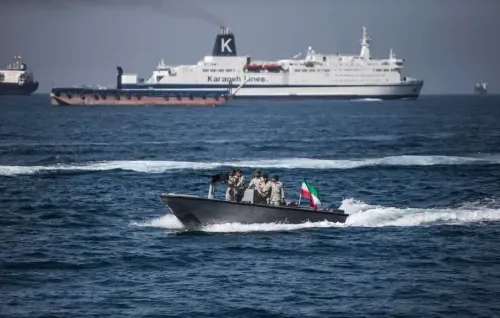
The Strait of Hormuz, a narrow waterway between Iran and Oman, is the transit point for roughly one-fifth of global oil trade. Any disruption to shipping through this passage carries immediate consequences for energy prices worldwide, including in major import-dependent economies such as India.
Policy Backdrop
The United States Fifth Fleet has maintained a continuous operational presence in the Persian Gulf since 1995, with freedom of navigation through the Strait of Hormuz as a core mandate. Periodic Iranian threats to close or restrict the waterway have historically triggered market volatility and diplomatic escalation.
Washington has a long-standing practice of issuing public reassurances about energy flows during Middle East tensions — a dual-purpose exercise that addresses both physical shipping data and the psychological dimension of commodity markets. Secretary Wright's statement fits squarely within this tradition, aiming to signal to oil importers, energy companies, and Gulf states that the crisis has not structurally altered transit volumes.
Stakeholders and Impact
India is among the largest importers of crude oil from the Persian Gulf and is acutely sensitive to any disruption in Hormuz shipping lanes. A return to pre-conflict flow levels, if sustained, would ease pressure on Indian refiners and help stabilise domestic fuel prices that had been exposed to global supply-risk premiums.
Energy companies with tanker operations in the region, as well as OPEC+ member states whose export revenues depend on unimpeded transit, are the other principal stakeholders watching these developments. The White House statement is likely intended to reassure all three groups simultaneously.
What's Next
Analysts and market participants will now watch OPEC+ production decisions and any executive or congressional actions in Washington related to sanctions authorities tied to Iranian oil exports. The durability of the current shipping normalisation depends on whether the underlying political conditions that triggered the conflict remain stable.
Should tensions flare again — or should sanctions regimes shift in ways that affect Iranian export capacity — the Strait of Hormuz could once more become a focal point for energy-market anxiety. For now, the White House has chosen to publicly mark the return to baseline as a milestone worth highlighting.
Point of View
A clean 'mission accomplished' signal on Hormuz is politically convenient. However, the statement's durability depends on the underlying conflict remaining contained, and any resumption of hostilities would expose the reassurance as premature. For India and other large Gulf-oil importers, the statement is welcome but not a reason to drop supply-diversification caution.
NationPress
20 Sept 2026
Frequently Asked Questions
What did Secretary Wright say about the Strait of Hormuz?
Secretary Wright stated that oil and oil product shipments through the Strait of Hormuz are 'about equal to where we were before the conflict,' indicating a return to pre-crisis transit volumes.
Why is the Strait of Hormuz important for oil supply?
The Strait of Hormuz is a narrow waterway between Iran and Oman through which roughly one-fifth of global oil trade passes, making it the world's single most critical energy chokepoint.
How does Hormuz shipping affect India?
India is one of the largest importers of Persian Gulf crude oil, so any disruption to Hormuz transit directly raises supply costs and fuel prices for Indian consumers and refiners.
What is the US role in keeping the Strait of Hormuz open?
The US Fifth Fleet has conducted freedom-of-navigation operations in the Persian Gulf since 1995, specifically to deter threats — including periodic Iranian warnings — to close or restrict the Strait of Hormuz.
What should markets watch after this White House statement on Hormuz?
Key variables include OPEC+ production decisions and any US executive or congressional actions extending or modifying sanctions authorities tied to Iranian oil exports, both of which could affect the stability of current flow levels.