US Navy restores Hormuz oil flow to 8 mn barrels/day, says Energy Secretary Wright

Synopsis
The US Navy has pushed Hormuz oil flows back above 8 million barrels a day from a conflict-era low of 4.9 million — but that is still less than half the 21.6 million barrels that moved through the strait before the Iran conflict. With one seafarer dead and security described as highly volatile, the recovery is real but fragile.
Key Takeaways
US Energy Secretary Chris Wright confirmed the US Navy helped move more than 15 million barrels of oil through the Strait of Hormuz on Tuesday, 22 August .
The 7-day average Hormuz oil flow has recovered to above 8 million barrels per day , up from a conflict-era low of 4.9 million bpd in Q2 2025.
Pre-conflict throughput stood at approximately 21.6 million barrels per day in Q4 2025; current flows remain well below that level.
UANI recorded 1,081 US-facilitated transits since 20 June ; the daily rate rose from 4.5 to 35.5 over the month ending 19 August .
US forces redirected 67 vessels breaching the Iran blockade, disabled three , and boarded two .
One seafarer was killed in attacks on 18 August , bringing total conflict-period crew casualties to 19 , per the IMO .
US Energy Secretary Chris Wright on 22 August said the US Navy had helped move more than 15 million barrels of oil and petroleum products through the Strait of Hormuz in a single day, offering the clearest official estimate yet of the recovery in traffic through the world's most critical oil chokepoint. When volumes transported via regional pipelines were included, total outflows from the Gulf region climbed to approximately 20 million barrels, Wright said.
Current Flow Levels
The seven-day average of oil moving through the strait has risen above 8 million barrels per day, according to Wright, who made the disclosure in a social media post. “Make no mistake, thanks to the U.S. Navy, oil is flowing through the Strait of Hormuz,” he said.
Wright’s reference to 15 million barrels reflected a single day’s movement on Tuesday rather than a sustained daily average. His separate seven-day figure of more than 8 million barrels a day provides a more reliable indicator of the ongoing recovery in traffic.
How Far Flows Have Recovered
The improvement marks a sharp rebound from the second quarter of 2025, when the Iran conflict and restrictions on commercial shipping reduced average Hormuz oil flows to just 4.9 million barrels per day, according to the US Energy Information Administration (EIA). However, traffic remains well below pre-conflict levels: approximately 21.6 million barrels per day moved through the strait in the final quarter of 2025, including crude oil, condensate, and refined petroleum products.
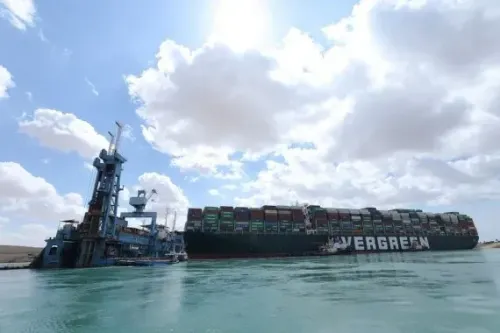
Before the conflict erupted, roughly 138 vessels passed through the strait daily. A large number of commercial ships subsequently anchored on either side of the passage, deterred by attacks, soaring insurance costs, and uncertainty over safe transit.
US Navy Operations and the Blockade
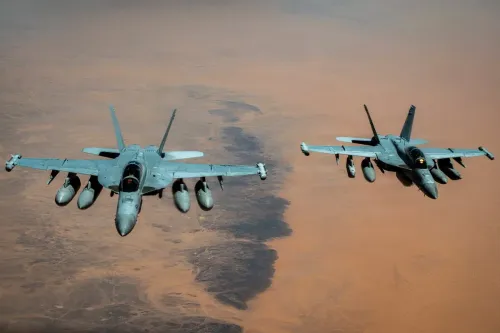
The US Navy has been escorting compliant commercial vessels through the southern shipping corridor. Some ships have been limiting or switching off their Automatic Identification System (AIS) broadcasts due to security concerns. The Trump administration has simultaneously maintained a blockade against vessels travelling to or from Iranian ports and coastal areas.
According to United Against Nuclear Iran (UANI), which monitors shipping in the region, the Joint Maritime Information Center recorded 71 US-facilitated transits during the 48-hour period covering 18–19 August. A total of 1,081 facilitated transits have been recorded since 20 June. The daily facilitated transit rate rose from approximately 4.5 to 35.5 over the month ending 19 August, according to UANI’s assessment.
US forces had also redirected 67 commercial vessels attempting to breach the blockade as of Thursday, disabled three vessels that did not comply, and boarded two, UANI said.
Security Conditions Remain Volatile
UANI described the security environment as “highly volatile.” Two vessels were attacked in separate incidents on 18 August, following the expiration of an earlier memorandum of understanding. One seafarer was killed in those incidents, raising the total number of crew casualties reported during the conflict to 19, according to figures cited from the International Maritime Organization (IMO).
Why Hormuz Cannot Be Easily Bypassed
A Congressional Research Service report described the Strait of Hormuz as a central route for global oil and natural gas supplies, warning that alternative pipelines could carry only a fraction of normal volumes. The EIA estimates that Saudi and Emirati pipelines together can bypass Hormuz with a combined capacity of approximately 4.7 million barrels per day — far below the roughly 21 million barrels that previously transited the strait each day. This structural bottleneck underscores why the naval escort mission carries outsized consequences for global energy markets.
With flows still less than half of pre-conflict levels and security conditions fragile, the pace of further recovery will depend heavily on the trajectory of US-Iran tensions in the weeks ahead.
Point of View
And the numbers do show a genuine recovery — but the gap between 8 million and 21.6 million barrels a day is too large to paper over with a single day’s headline figure. The strait’s bypass capacity of just 4.7 million bpd means that if the naval escort falters, there is no pipeline alternative that can absorb the shortfall. The killing of a seafarer and the description of conditions as ‘highly volatile’ after the MOU expiry are warning signs that the recovery rests on a security arrangement, not a political settlement. Global oil markets remain one serious incident away from a fresh supply shock.
NationPress
6 Oct 2026
Frequently Asked Questions
How much oil is now flowing through the Strait of Hormuz?
The seven-day average has risen above 8 million barrels per day, according to US Energy Secretary Chris Wright. This compares with a conflict-era low of 4.9 million barrels per day in the second quarter of 2025, though it remains well below the pre-conflict level of roughly 21.6 million barrels per day recorded in Q4 2025.
What role is the US Navy playing in Hormuz oil shipments?
The US Navy is escorting compliant commercial vessels through the southern shipping corridor in the Strait of Hormuz. According to UANI, 1,081 US-facilitated transits were recorded between 20 June and 19 August, with the daily rate climbing from about 4.5 to 35.5 over that period.
Is the Strait of Hormuz safe for commercial shipping?
Security conditions remain highly volatile, according to UANI. Two vessels were attacked on 18 August after an earlier memorandum of understanding expired, and one seafarer was killed, bringing total crew casualties during the conflict to 19 as cited from IMO figures. Many commercial ships continue to limit or switch off their AIS tracking broadcasts due to security concerns.
Can pipelines replace Hormuz if the strait is blocked?
No. The EIA estimates that Saudi and Emirati pipelines together can bypass Hormuz with a combined capacity of only about 4.7 million barrels per day — far below the roughly 21 million barrels that previously moved through the strait daily. A Congressional Research Service report has also flagged this structural gap as a major global energy risk.
What is the US blockade on Iran and how is it being enforced?
The Trump administration has imposed a blockade on vessels travelling to or from Iranian ports and coastal areas. As of Thursday, US forces had redirected 67 commercial vessels attempting to breach the blockade, disabled three that did not comply, and boarded two others, according to UANI.