US controls Strait of Hormuz, 100 million oil barrels moved under American protection
Synopsis
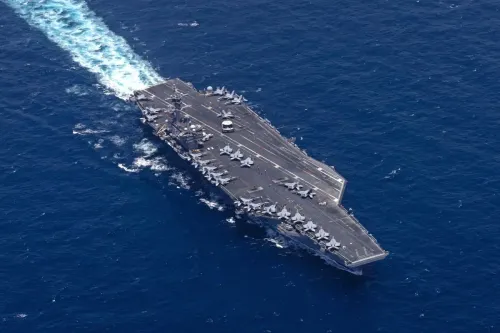
The US has been running a covert maritime operation — 'Project Freedom' — through the Strait of Hormuz, moving over 100 million barrels of oil under American military protection while Iran, according to Hegseth, can neither see nor stop it. The public declaration of control over the world's most critical oil chokepoint is a direct strategic signal to Tehran and global energy markets.
Key Takeaways
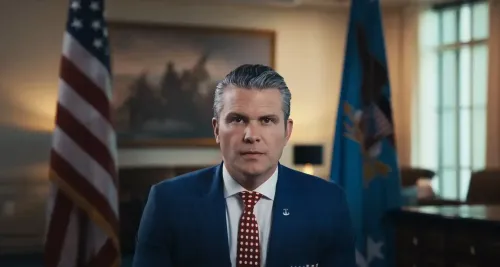
Secretary of Defense Pete Hegseth declared on 11 June that the United States controls the Strait of Hormuz .
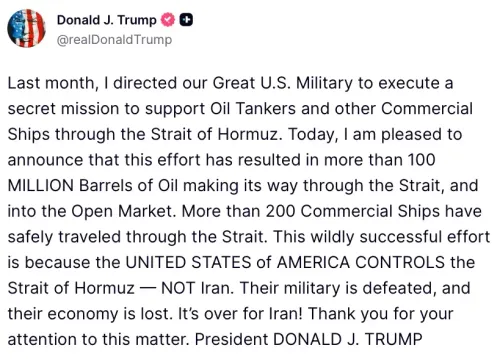
More than 100 million barrels of oil have been moved through the waterway under covert US military protection via 'Project Freedom' .
CENTCOM has disabled 8 non-compliant vessels , redirected 134 ships , and cleared 42 humanitarian vessels since the blockade began in April .
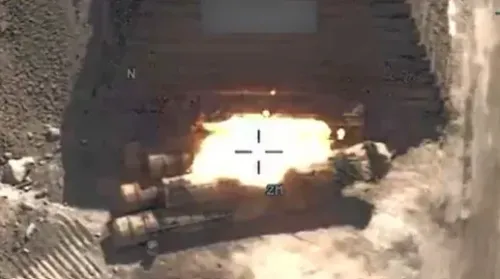
The Palau-flagged M/T Settebello was disabled on 11 June for attempting to transport Iranian oil through the Gulf of Oman .
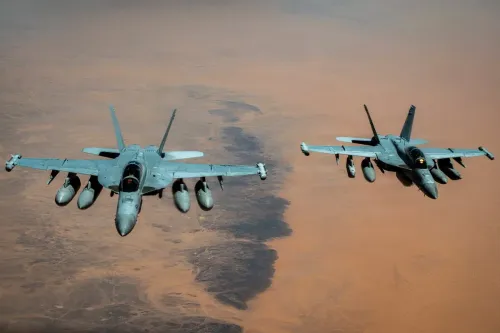
Hegseth stated US forces have degraded Iran's navy, air force, air defences, and power projection capabilities.
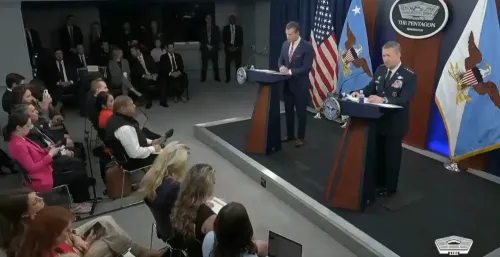
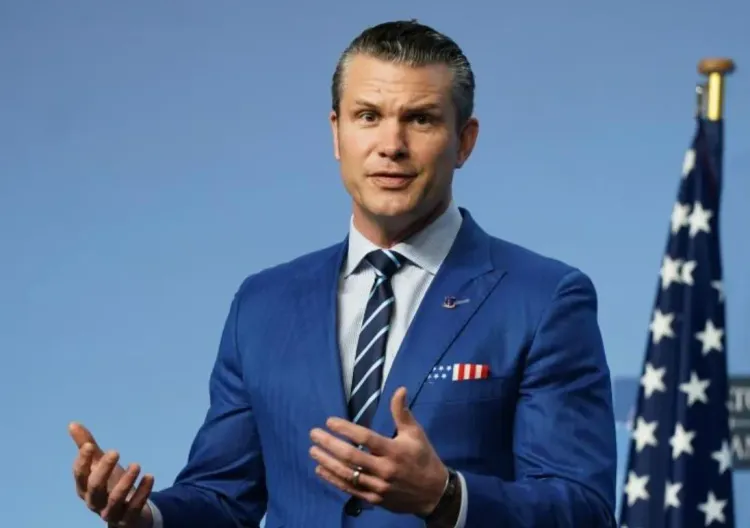
The United States has effectively taken control of the Strait of Hormuz and has quietly facilitated the movement of more than 100 million barrels of oil through the strategic waterway, Secretary of Defense Pete Hegseth declared on 11 June. Speaking at US Central Command (CENTCOM) headquarters in Florida, Hegseth disclosed new details of what he described as a largely covert maritime operation designed to keep one of the world's most critical energy corridors open while sustaining pressure on Iran.
The Undisclosed Operation
Hegseth revealed that an initiative referred to as 'Project Freedom' — centred on moving commercial vessels through the Strait of Hormuz — had continued in a clandestine form even as public attention shifted. 'Project Freedom — the idea of running ships through the Strait of Hormuz — it never stopped, it just went underground,' he said. 'There are some things the public knows and some things the public doesn't know, but ultimately, we've been protecting commercial shipping going through the Strait of Hormuz.'
The Pentagon chief stated that the operation had enabled more than 100 million barrels of oil to transit the narrow chokepoint under American military protection. 'They can't see it, and they can't stop it,' Hegseth said, referring to Iranian forces.
Blockade in Numbers
According to CENTCOM, US forces have disabled eight non-compliant vessels since the maritime blockade began in April, redirected 134 ships, and permitted 42 vessels carrying humanitarian assistance to proceed. On the same day as Hegseth's address, CENTCOM separately confirmed that US forces had disabled another tanker attempting to transport Iranian oil — the Palau-flagged M/T Settebello — after its crew repeatedly ignored instructions from American forces while transiting the Gulf of Oman.
A Shift in Gulf Power Balance
Hegseth argued that combined US maritime and military operations had fundamentally redrawn the balance of power in the Gulf. 'If our blockade is ironclad, which it is, and we are able to move commercial shipping in and out of the Strait of Hormuz, who controls the Strait of Hormuz? The United States of America controls the Strait of Hormuz,' he said.
He further contended that American forces had degraded Iranian military capacity across multiple domains. 'Add that to what the United States military with Central Command did to their navy, to their air force, to their air defences, to their power projection capabilities,' Hegseth said. 'We know exactly on this ledger who's on the strong end and who is not.'
Strategic and Energy Implications
The Strait of Hormuz is the world's most critical oil transit chokepoint, with roughly 20% of global petroleum supplies passing through it annually, according to energy data. Hegseth linked the mission explicitly to a broader US strategy of restricting Iranian oil exports while keeping international commercial shipping lanes open. This comes amid sustained US-Iran tensions following military exchanges earlier this year, and marks a significant escalation in Washington's direct maritime posture in the region.
How Iran responds — and how global energy markets absorb the confirmation of an active US-run blockade — will shape the next phase of Gulf security dynamics.
Point of View
To Gulf states, and to global energy markets. What is notable is the admission that a significant operation was deliberately kept from public view, raising questions about the scope of executive war-making authority and congressional oversight. The blockade's humanitarian carve-out of 42 vessels is also worth scrutiny: it signals Washington is aware of the civilian exposure risk but has chosen to manage rather than avoid it. If Iran escalates in response to this public confirmation, the administration will own the consequences of having announced the operation so openly.
NationPress
19 Sept 2026
Frequently Asked Questions
What is 'Project Freedom' and what does it involve?
'Project Freedom' is a US military maritime operation aimed at ensuring commercial shipping can transit the Strait of Hormuz safely. According to Secretary of Defense Pete Hegseth, the operation continued covertly and has facilitated the movement of over 100 million barrels of oil through the waterway under American protection.
What has the US blockade of Iranian oil achieved so far?
Since the blockade began in April, CENTCOM reports that US forces have disabled eight non-compliant vessels, redirected 134 ships, and allowed 42 humanitarian vessels to proceed. The most recent vessel disabled was the Palau-flagged M/T Settebello on 11 June in the Gulf of Oman.
Why is the Strait of Hormuz strategically important?
The Strait of Hormuz is the world's most critical oil transit chokepoint, with approximately 20% of global petroleum supplies passing through it. Control over the strait has major implications for global energy prices and regional security.
What did Pete Hegseth say about Iran's military capabilities?
Hegseth claimed that US and CENTCOM operations had degraded Iran's navy, air force, air defences, and power projection capabilities. He stated the US is clearly 'on the strong end' of the military balance in the Gulf.
How might Iran respond to the US declaration of Hormuz control?
Iran has not yet officially responded to Hegseth's statement, according to available reports. Analysts note that a public US declaration of control over the strait represents a significant escalation in rhetoric, and Tehran's response — diplomatic or military — will be closely watched by global energy markets and regional powers.