Houthis claim 4 strikes on Riyadh airport, financial district amid Saudi escalation
Synopsis
The Houthis claimed four simultaneous strikes on Saudi economic and military landmarks on Thursday — including Riyadh's international airport and its premier financial district — while Saudi Civil Defence confirmed damage to one tower but stopped short of validating the full scope. The added warning to foreign investors to leave Saudi Arabia signals a deliberate attempt to weaponise economic anxiety, escalating this conflict well beyond the battlefield.
Key Takeaways
Yemen's Houthi group claimed four military operations inside Saudi Arabia on 20 November 2026 .
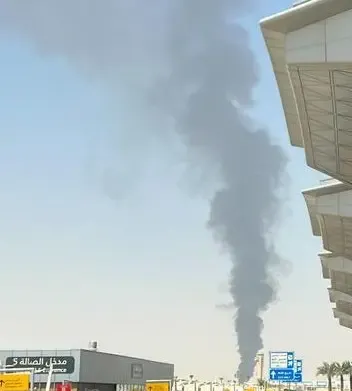
Targeted sites reportedly include the King Abdullah Financial District in Riyadh (hit twice), the SADAF petrochemical complex in Jubail , King Khalid Air Base in Khamis Mushait , and King Khalid International Airport in Riyadh .
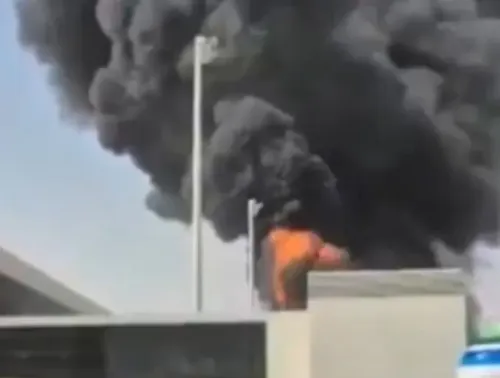
Saudi Civil Defence confirmed damage to a tower in Riyadh's financial district — material damage, no casualties — but did not verify the other strikes.
Houthi spokesperson Yahya Sarea cited a Saudi airstrike on a civilian boat in Lahj province as the trigger, claiming dozens of civilian casualties.
Sarea warned foreign investors to leave Saudi Arabia, threatening further attacks on economic facilities.
Yemen's conflict has persisted since 2014 ; a Saudi-led coalition has been engaged since 2015 .
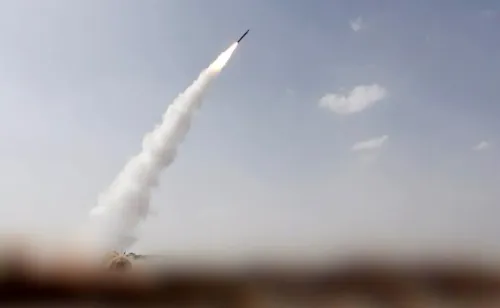
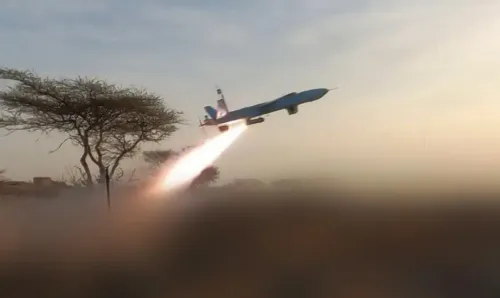
Yemen's Houthi group claimed responsibility on Thursday, 20 November 2026 for four coordinated military operations targeting a major international airport, an air base, a financial centre, and a petrochemical facility across Saudi Arabia, marking one of the most sweeping cross-border escalations in recent months. The Saudi government confirmed damage to at least one site while pushing back on broader Houthi claims.
What the Houthis Claimed
In a televised statement broadcast on Houthi-run al-Masirah TV, Houthi military spokesperson Yahya Sarea said the first and second operations targeted the King Abdullah Financial District in Riyadh — the first strike occurring early Thursday morning, followed by a second in the evening. Sarea claimed both strikes inflicted significant structural damage.
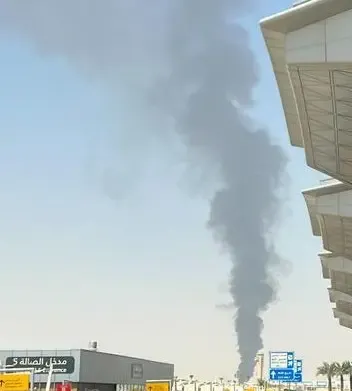
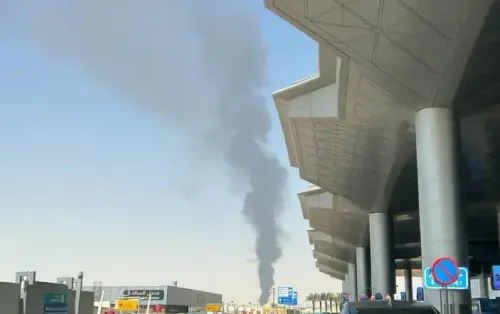
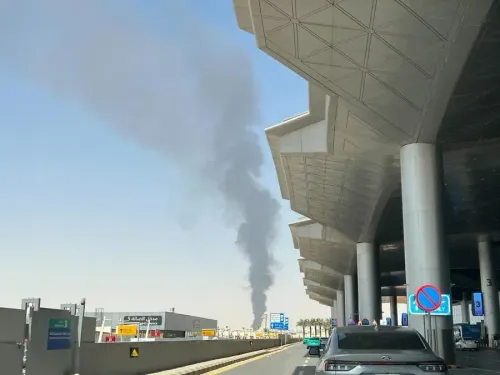
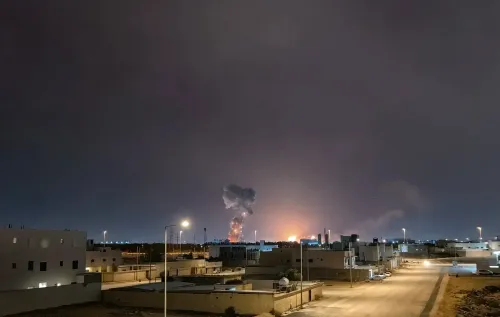
The third operation, according to Sarea, targeted the SADAF petrochemical complex in Jubail, an industrial hub in Saudi Arabia's Eastern Province. The fourth struck King Khalid Air Base in Khamis Mushait in the southwest, with Sarea alleging extensive damage. Separately, he claimed a direct hit on King Khalid International Airport in Riyadh.
Riyadh's Official Response
Saudi Arabia's Civil Defence confirmed on Thursday that a Houthi attack had damaged several floors of a tower and surrounding buildings in Riyadh's financial district, noting material damage but no casualties. Crucially, Saudi authorities did not confirm the other claimed strikes, casting doubt on the full scope of Houthi assertions.
The Saudi Foreign Ministry strongly condemned what it described as continued Houthi attacks on civilian and economic infrastructure, vowing to take 'all necessary measures' to defend the kingdom's sovereignty and national assets.
Houthi Justification and Warning to Investors
Sarea framed the operations as retaliation for Saudi airstrikes inside Yemen, specifically citing a reported airstrike on a boat carrying civilians off the coast of Ras al-Arah in southern Lahj province, which he claimed killed and injured dozens — reportedly mostly women and children. The claim has not been independently verified.
In a pointed escalation of rhetoric, Sarea warned foreign investors to leave Saudi Arabia, threatening further attacks on economic facilities. The warning adds a new economic-pressure dimension to what has largely been a military confrontation.
Conflict Background and Regional Stakes
Yemen has been engulfed in civil war since late 2014, when the Houthis seized the capital Sanaa, forcing the internationally recognised government to relocate to the southern port city of Aden. A Saudi-led coalition intervened in 2015 to restore the recognised government, triggering a conflict that has since become one of the world's most protracted humanitarian crises.
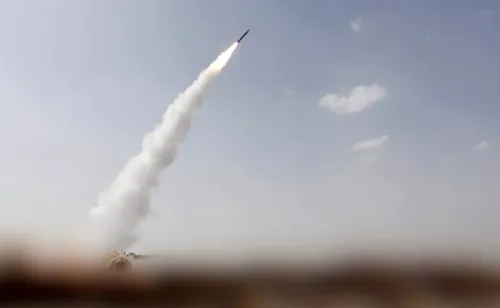
The latest escalation comes amid renewed fighting between Houthi forces and Yemen's government troops backed by the coalition. Cross-border missile and drone strikes targeting Saudi airports, energy infrastructure, and military installations have intensified in recent weeks, raising concerns among regional energy markets and international stakeholders.
Notably, this is not the first time Houthis have targeted Saudi economic landmarks — previous strikes on Aramco facilities in 2019 triggered global oil price shocks. Whether the latest claimed strikes carry similar market weight will depend on damage verification by independent sources.
What Happens Next
Analysts will be watching for a Saudi military response, official damage assessments from independent observers, and any movement in regional oil prices following the petrochemical facility claim. The Houthis' explicit warning to foreign investors could also trigger diplomatic consultations involving Gulf Cooperation Council states and Western partners with economic exposure to Saudi Arabia.
Point of View
Energy, and aviation infrastructure — combined with an explicit warning to foreign investors — represents a qualitative shift in strategy: from military attrition to economic coercion. Saudi Arabia's measured official response, confirming only the financial district damage, suggests Riyadh is managing both the security narrative and market optics carefully. The unverified claims around Jubail's petrochemical complex deserve particular scrutiny — a confirmed hit there would carry Aramco-2019 echoes with global oil market consequences. What mainstream coverage underweights is that this escalation cycle is partly driven by an information war: each side's claims serve domestic and international audiences far beyond the battlefield.
NationPress
20 Nov 2026
Frequently Asked Questions
What did the Houthis claim to have struck in Saudi Arabia on 20 November 2026?
The Houthis claimed four operations targeting the King Abdullah Financial District in Riyadh (struck twice), the SADAF petrochemical complex in Jubail, King Khalid Air Base in Khamis Mushait, and King Khalid International Airport in Riyadh. The claims were made by Houthi military spokesperson Yahya Sarea in a televised statement on al-Masirah TV.
What did Saudi Arabia officially confirm about the Houthi attacks?
Saudi Arabia's Civil Defence confirmed that a Houthi attack damaged several floors of a tower and nearby buildings in Riyadh's King Abdullah Financial District, causing material damage but no casualties. The Saudi government did not confirm the other strikes claimed by the Houthis.
Why did the Houthis say they launched these attacks?
Houthi spokesperson Yahya Sarea said the strikes were retaliation for Saudi airstrikes in Yemen, specifically citing a reported attack on a civilian boat off the coast of Ras al-Arah in Lahj province that allegedly killed and injured dozens, mostly women and children. The Saudi side has not publicly responded to this specific claim.
What warning did the Houthis issue to foreign investors?
Sarea explicitly warned foreign investors to leave Saudi Arabia, threatening further attacks on economic and strategic facilities. The warning marks an escalation in Houthi messaging beyond military targets toward economic pressure on the kingdom.
What is the background to the Yemen-Saudi conflict?
Yemen has been in civil war since late 2014, when the Houthis seized the capital Sanaa and forced the internationally recognised government to relocate to Aden. A Saudi-led coalition intervened in 2015 to support the government, triggering a decade-long conflict involving cross-border missile and drone strikes on Saudi territory.