Giriraj Singh Hails Rise of Ethnic Menswear in Daily Fashion
Synopsis
Union Textiles Minister Giriraj Singh on 20 November 2026 applauded the growing adoption of kurtas and Indo-western wear as everyday clothing in India, crediting affordable brand collections for blending traditional attire with modern style preferences.
Key Takeaways
Union Textiles Minister Giriraj Singh posted on 20 November 2026 welcoming the mainstreaming of men's ethnic wear in daily Indian fashion.
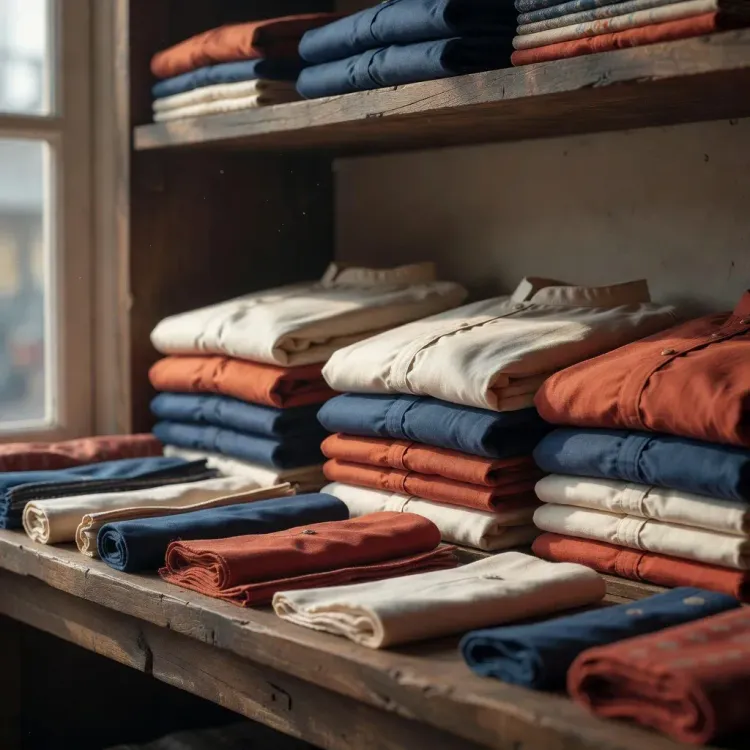
Kurtas and Indo-western garments, once limited to weddings and festivals, are increasingly worn in everyday settings including workplaces and casual outings.
Singh credited new designs and affordable collections from brands as the key drivers of this shift.
The minister framed the trend as a positive initiative linking traditional Indian attire with contemporary tastes.
The observation carries policy relevance given Singh's role overseeing India's textile sector, which supports millions of workers across the country.
The post signals potential government interest in sustaining and expanding domestic consumption of ethnic apparel beyond seasonal demand spikes.
Kurtas on a Tuesday commute. Indo-western sets at a Friday office lunch. What was once reserved for weddings and festivals is now showing up everywhere — and Union Textiles Minister Giriraj Singh wants the country to notice. On Friday, 20 November 2026, the minister took to X to salute a quiet but unmistakable shift in Indian men's fashion.
In his post, Singh observed: 'The changing face of men's ethnic wear is presenting a new picture of Indian fashion. Kurtas and Indo-western garments are no longer confined to weddings and festivals — they are becoming part of everyday dressing. New designs and affordable collections from brands are giving fresh momentum to this change. This is a commendable initiative that links traditional Indian attire with modern preferences.'
From occasion-wear to everyday choice
The shift Singh describes is rooted in a broader consumer transition. For decades, ethnic menswear in India occupied a narrow lane — the embroidered sherwani pulled out for Diwali, the plain kurta worn reluctantly to a relative's wedding. That geography is now expanding. Younger urban consumers are pairing kurtas with sneakers, layering Nehru-collar jackets over jeans, and reaching for linen kurtas as a default work-from-office look.
Affordable, well-designed collections have been the engine. As brands have invested in better cuts, breathable fabrics, and accessible price points, the barrier to daily adoption has dropped sharply. The minister's framing — 'achchhi pahal' (a commendable initiative) — signals official endorsement of this commercial and cultural momentum.
Why a Textiles Minister's nudge matters
Singh's portfolio gives his comments weight beyond a fashion opinion. Indian textile policy has long supported handloom weavers and traditional garments alongside efforts to deepen domestic consumption. When a minister publicly praises the mainstreaming of ethnic attire, it telegraphs a direction: the government views expanded daily use of Indian apparel as both a cultural win and a commercial opportunity for the domestic textile industry.
The linkage is straightforward — more kurtas worn on more Mondays means sustained, year-round demand rather than the seasonal spike around Diwali or Eid. That is the kind of steady consumption the textile sector, which supports millions of weavers, tailors, and garment workers across states like Bihar, West Bengal, Uttar Pradesh, and Tamil Nadu, genuinely needs.
Tradition woven into the modern wardrobe
The minister's post arrives at a moment when 'vocal for local' and pride in Indian craftsmanship have become recurring themes in public discourse. Ethnic menswear sitting comfortably alongside a laptop bag or a metro card is, in that sense, the most organic expression of that idea — no campaign required, just a good fit at the right price.
The question now is whether Singh's ministry follows the observation with action: targeted support for artisans designing contemporary ethnic lines, participation in domestic fashion platforms, or schemes that incentivise affordable ethnic collections at scale. For now, the minister has put the spotlight where it belongs — on a wardrobe revolution quietly happening one kurta at a time.
Point of View
Singh implicitly nudges the industry toward year-round demand rather than festival-driven peaks, which is critical for the economic stability of weavers and garment workers. The statement also fits within a wider political-cultural arc of promoting Indian identity through everyday choices. Whether it translates into concrete ministerial action — schemes, fashion platforms, artisan support — will determine if this remains rhetoric or becomes policy.
NationPress
20 Nov 2026
Frequently Asked Questions
What did Giriraj Singh say about Indian fashion?
Union Textiles Minister Giriraj Singh on 20 November 2026 praised the growing trend of men wearing kurtas and Indo-western garments as everyday clothing, calling it a commendable initiative that blends traditional Indian attire with modern preferences.
Why is ethnic menswear becoming popular in India for daily use?
Brands offering new designs and affordable collections have made it easier for urban men to adopt kurtas and Indo-western wear beyond weddings and festivals, driving a shift toward everyday ethnic fashion in India.
What is Giriraj Singh's role in India's textile industry?
Giriraj Singh is India's Union Minister of Textiles, responsible for overseeing textile policy, supporting the handloom sector, and promoting domestic apparel consumption across the country.
Is kurta becoming mainstream office and casual wear in India?
Yes, there is a visible trend of Indian men pairing kurtas and Indo-western outfits with everyday occasions including office settings and casual outings, moving well beyond their traditional association with festivals and weddings.
How does the ethnic menswear trend affect India's textile sector?
Wider everyday adoption of ethnic menswear creates sustained, year-round demand for Indian garments rather than seasonal spikes, which benefits weavers, tailors, and garment workers across major textile-producing states in India.