Houthis claim drone strikes on Riyadh airport and Saudi oil pipeline
Synopsis
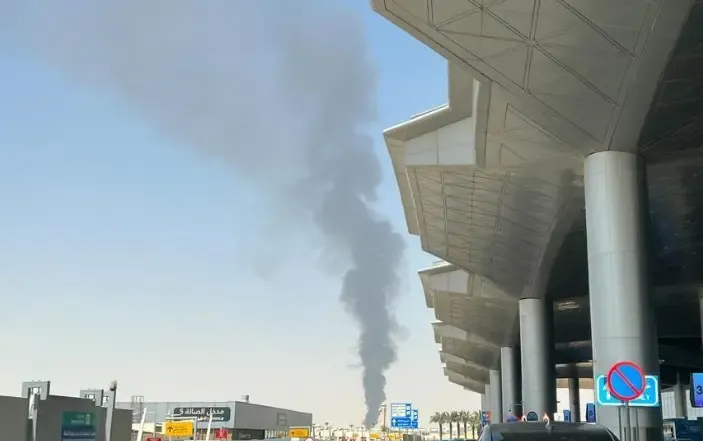
Yemen's Houthis have claimed drone and missile strikes on Riyadh's King Khalid International Airport and the Saudi East-West oil pipeline — alongside assaults on military targets in Jazan, Al-Jawf, and Aden. Saudi Arabia has not confirmed the claims, but if verified, the strikes would represent one of the most geographically broad Houthi operations in recent months.
Key Takeaways
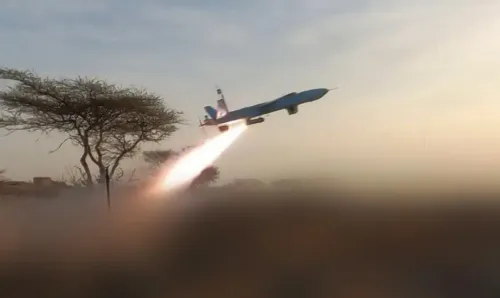
Houthi spokesperson Yahya Sarea claimed a drone struck King Khalid International Airport in Riyadh on 14 November 2025 .
Two further drones reportedly hit Pumping Station No.
3 on Saudi Arabia's East-West oil pipeline .
Ballistic missiles allegedly targeted Saudi forces in Jazan , with claims of dozens killed or wounded, including Sudanese nationals .
Additional strikes were claimed on Houthi-designated targets in Al-Jawf , Lahj , and Aden 's Ras Abas military base .
All casualties and damage figures remain independently unverified ; Saudi authorities had not commented as of this report.
Yemen's conflict began when Houthis seized Sanaa in late 2014 ; Saudi-led intervention followed in 2015 .
Yemen's Houthi group has claimed responsibility for a fresh wave of drone and ballistic missile attacks targeting a major Saudi airport, oil infrastructure, and military positions across Saudi Arabia and Yemen, according to the Houthi-run al-Masirah TV. The reported strikes, announced on Friday, 14 November 2025, mark another escalatory salvo in a conflict that has now stretched over a decade.
Key Claims by the Houthis
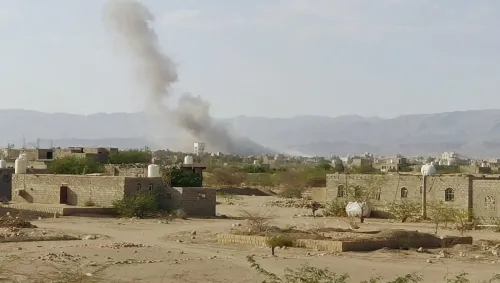
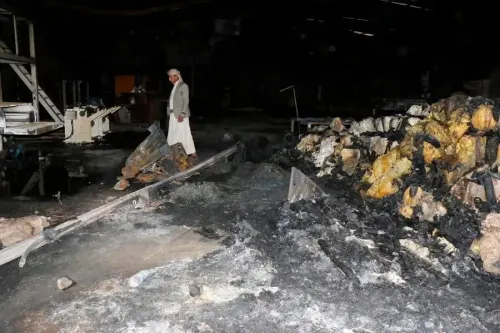
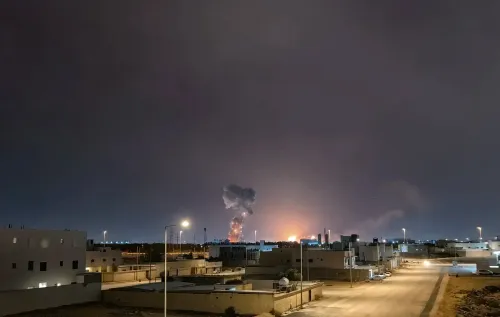
Houthi military spokesperson Yahya Sarea said one drone had targeted King Khalid International Airport in the Saudi capital, Riyadh, while two additional drones struck Pumping Station No. 3 along the East-West oil pipeline, located east of the city. Sarea claimed both operations had 'achieved their objectives,' though no independent corroboration was available at the time of reporting.
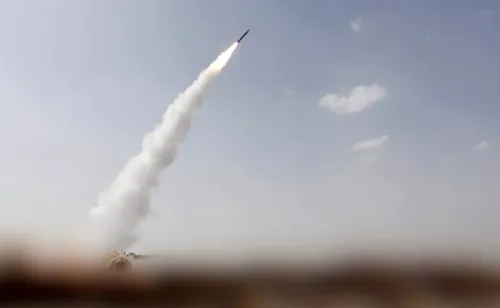
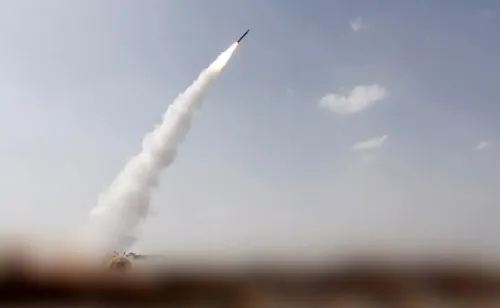
In a separate statement, Sarea alleged that two ballistic missiles had struck gatherings of Saudi forces in the Al-Tuwal area of Saudi Arabia's southwestern Jazan region, claiming dozens of personnel — including Sudanese nationals — were killed or wounded.
Strikes Across Multiple Fronts
Beyond the Saudi targets, Sarea claimed further ballistic missile strikes hit Saudi-linked troop concentrations in eastern Al-Jawf province in northern Yemen and in the Kharaz and Khor Umairah areas of southern Lahj province, asserting direct hits and significant casualties. Additionally, the group claimed that ballistic missiles and drones struck Saudi weapons depots at Ras Abas military base in Yemen's southern port city of Aden.
Notably, all reported attacks, casualties and damage figures remain unverified. Saudi authorities had not issued any immediate comment on the claims as of the time of this report.
Context: A Decade-Long Conflict
Yemen has been engulfed in armed conflict since late 2014, when Houthi forces seized the capital, Sanaa, and much of the country's north. A Saudi-led military coalition intervened in 2015 in support of the internationally recognised Yemeni government, triggering one of the world's most protracted humanitarian crises. The Bab al-Mandeb Strait — a critical global shipping chokepoint — remains a persistent flashpoint, with fierce fighting reported along Yemeni fronts in its vicinity.
This is not the first time the Houthis have claimed strikes against Saudi oil facilities and airports. The group has repeatedly targeted Saudi energy and aviation infrastructure over the course of the war, with some attacks causing verifiable disruption and others disputed or denied by Riyadh.
What to Watch Next
The absence of an immediate Saudi response leaves the full picture unclear. If the strikes on the East-West pipeline infrastructure are confirmed, global oil markets could react, given Saudi Arabia's central role in OPEC+ supply management. International observers, including UN mediators, are likely to scrutinise the claims as ceasefire talks between the Houthis and the Saudi-led coalition remain fragile.
Point of View
The group is signalling the capacity to strike at the heart of the Saudi economy, not just its frontier. If even a fraction of the pipeline damage is confirmed, it will test oil markets and pressure Riyadh to respond more forcefully — precisely the escalatory dynamic the Houthis appear to be seeking. The involvement of Sudanese nationals in Jazan, if accurate, is also a reminder that this war continues to draw in fighters from across the region, complicating any path to a negotiated settlement.
NationPress
14 Nov 2026
Frequently Asked Questions
What did the Houthis claim to have attacked in Saudi Arabia on 14 November?
The Houthis claimed drone strikes on King Khalid International Airport in Riyadh and two strikes on Pumping Station No. 3 along Saudi Arabia's East-West oil pipeline. They also alleged ballistic missile strikes on Saudi military positions in the Jazan region. Saudi authorities had not confirmed any of these claims as of this report.
Has Saudi Arabia confirmed the Houthi attacks?
No. Saudi authorities had not issued any immediate comment on the Houthi claims as of 14 November 2025. The reported attacks, casualties and damage could not be independently verified.
Why are the Houthis targeting Saudi airports and oil infrastructure?
The Houthis have repeatedly struck Saudi energy and aviation infrastructure as part of a decade-long conflict in which Saudi Arabia leads a military coalition supporting Yemen's internationally recognised government. Targeting high-profile Saudi assets is a stated Houthi strategy to pressure Riyadh and internationalise the costs of the war.
What is the background to the Yemen conflict?
Yemen's civil war escalated in late 2014 when Houthi forces seized the capital Sanaa and much of northern Yemen. A Saudi-led military coalition intervened in 2015 to restore the internationally recognised government. Fighting has continued across multiple fronts, and the conflict has produced one of the world's worst humanitarian crises.
Could the alleged pipeline strike affect global oil supplies?
Potentially, if confirmed. Saudi Arabia's East-West oil pipeline is a key export artery. Any verified disruption to it would likely be watched closely by oil markets and OPEC+ partners, though past Houthi claims of pipeline damage have not always translated into lasting supply disruptions.