IMF keeps India growth forecast at 6.5% amid Iran conflict energy shock
Synopsis
The IMF is holding India's growth forecast at 6.5% for FY2026-27 even as the Iran conflict rattles global energy markets — and India's Q1 2025 print of 7.8% already beat that projection. The real question is whether domestic demand can keep outrunning an energy import bill that remains 10% above pre-war levels.
Key Takeaways
The IMF reaffirmed India's FY2026-27 growth forecast at 6.5% on 25 June , maintaining the upward revision first made in April .
India's economy grew at 7.8% in Q1 2025 , exceeding the IMF's own April projection for that quarter.
A reduction in US tariff rates from 50% to 10% partly offset the impact of the global energy shock on India.
India faced energy supply disruptions and higher import costs due to the Iran conflict and Strait of Hormuz disruptions.
Oil prices remain about 10% above pre-war levels despite retreating from their peak; updated IMF global projections are due on 8 July .
The International Monetary Fund (IMF) on Thursday, 25 June reaffirmed that India remains a major engine of global economic growth, holding its fiscal year 2026-27 growth projection at 6.5%, even as the Iran conflict and elevated global energy prices continue to weigh on the world economy. The IMF cautioned, however, that India has not been entirely insulated from the energy market disruptions triggered by the conflict.
IMF's Assessment of India's Resilience
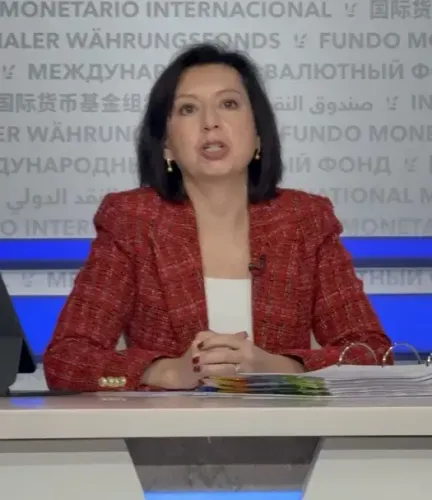
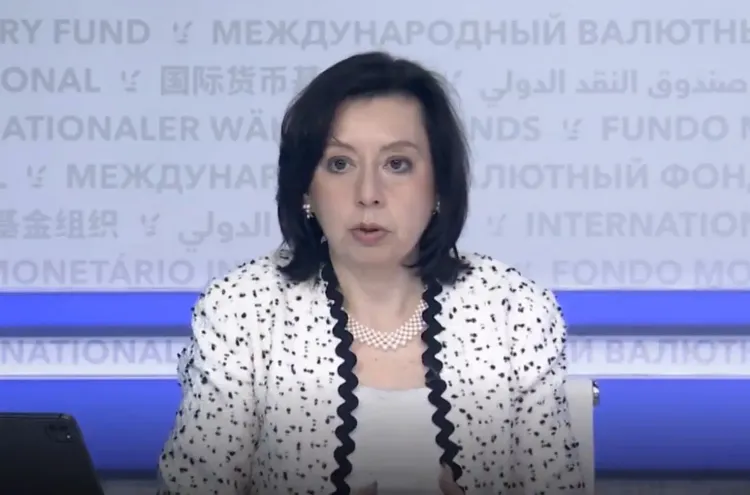
Julie Kozack, Director of the IMF's Communications Department, addressed reporters at a regular press briefing in Washington, describing India's economic performance as robust despite significant external headwinds. “Despite the impact of the war and global headwinds from the global economy, or externally, India's economy has been growing robustly, and it has been supported, particularly by very strong domestic demand within India,” Kozack said.
The 6.5% projection for fiscal year 2026-27 reflects a slight upward revision from the IMF's January estimate, first made in April and now maintained. Kozack described the figure as “still quite strong growth” in the current global context.
What Is Driving India's Growth
Kozack attributed India's outperformance to two key factors: strong domestic demand momentum carried over from the previous year, and a reduction in US tariff rates — from 50% to 10% — which partly cushioned the blow from the global energy shock.
India's economy grew at 7.8% in the first quarter of the 2025 calendar year, surpassing the IMF's own April projection for that period. “There is quite strong momentum still in India. So, it does still remain a growth engine for the global economy, despite the shock,” Kozack said.
Energy Shock: India's Exposure
Asked about the risk posed by the Middle East conflict and disruptions around the Strait of Hormuz to India's energy-dependent economy, Kozack acknowledged the impact was real. “India did face supply disruptions with respect to energy. India was also affected by higher prices, like most countries in the world, because of the energy price shock, and of course, because India imports quite a lot of energy, we saw then, of course, the effect,” she said.
She noted that no country had been untouched by the global energy shock, placing India's challenges in a broader international context rather than singling it out as especially vulnerable.
Ceasefire and Commodity Prices
Kozack also flagged recent positive developments on the geopolitical front. The IMF views the ceasefire in the Middle East and progress towards reopening the Strait of Hormuz as constructive for the global economy. Oil prices have retreated from their peak but remain approximately 10% above pre-war levels, while some other commodity prices have also begun to ease.
The IMF is expected to release updated global economic projections on 8 July, which will offer a clearer picture of how the energy shock has been absorbed across major economies. For India, the trajectory of energy import costs and the durability of domestic demand will be the two variables to watch most closely.
Point of View
But India's 7.8% Q1 print masks a structural vulnerability: the country imports a substantial share of its energy, and oil prices remain 10% above pre-war levels despite the ceasefire. Domestic demand has been the story so far, but demand-led growth financed partly by a swelling energy import bill is not without risk. The US tariff reduction from 50% to 10% provided a convenient cushion — one that was policy-driven and could reverse. What the IMF's forecast does not fully stress-test is a scenario where the Strait of Hormuz disruptions persist beyond the ceasefire's fragile hold. India's policymakers would be wise not to treat a maintained forecast as a clean bill of health.
NationPress
24 Sept 2026
Frequently Asked Questions
What is the IMF's growth forecast for India in FY2026-27?
The IMF projects India's economy to grow at 6.5% in fiscal year 2026-27. This figure, first revised upward in April, was reaffirmed on 25 June despite global headwinds from the Iran conflict and elevated energy prices.
How has the Iran conflict affected India's economy?
India faced energy supply disruptions and higher import costs as a result of the Iran conflict and related Strait of Hormuz disruptions. However, the IMF noted that strong domestic demand and a reduction in US tariffs partly offset these pressures.
Why did the IMF revise India's growth forecast upward in April?
The April upgrade reflected strong momentum from the previous fiscal year and the reduction of US tariff rates on India from 50% to 10%, which cushioned the impact of the global energy shock. India's Q1 2025 growth of 7.8% subsequently exceeded even that revised projection.
What did the IMF say about the Middle East ceasefire?
The IMF described the ceasefire in the Middle East and progress towards reopening the Strait of Hormuz as positive developments for the global economy. Oil prices have fallen from their peak but remain approximately 10% above pre-war levels.
When will the IMF release updated global economic projections?
The IMF is expected to publish updated global economic projections on 8 July, which will provide a clearer picture of how major economies, including India, have absorbed the energy shock.