Modi-Pezeshkian SCO meet: Iran pushes for peace, Chabahar talks in Bishkek
Synopsis
On the sidelines of the SCO Summit in Bishkek, Iran's President Pezeshkian pressed PM Modi for a stronger regional peace push — while both sides advanced talks on Chabahar Port, Strait of Hormuz security, and a BRICS meeting in India. With West Asia in crisis, the bilateral signals New Delhi is keeping Tehran close without abandoning its diplomatic balancing act.
Key Takeaways
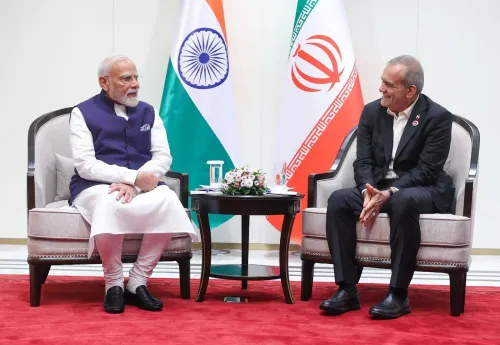
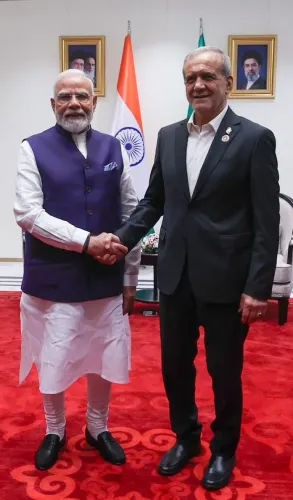
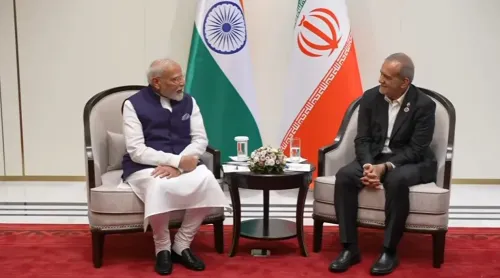
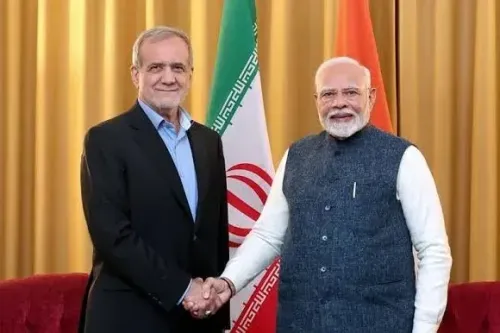
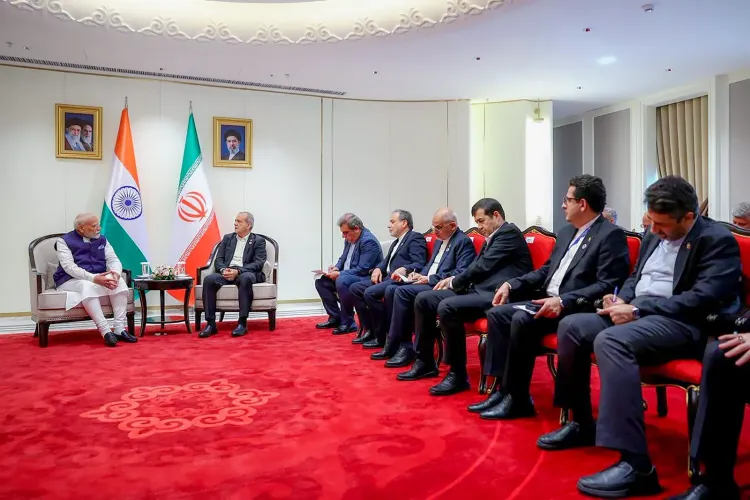
Iranian President Masoud Pezeshkian met PM Narendra Modi on 31 August on the sidelines of the SCO Summit in Bishkek, Kyrgyzstan .
Pezeshkian called for mobilising 'all available capacities' to prevent the spread of insecurity and conflict in the region.
PM Modi expressed concern over regional escalation and reiterated India's position that all issues must be resolved through dialogue and diplomacy .
Discussions covered Chabahar Port progress, Strait of Hormuz developments, and bilateral trade and transportation cooperation.
Modi invited Pezeshkian to India for the upcoming BRICS Summit , signalling deeper multilateral engagement.
Both sides stressed safeguarding freedom of navigation and protection of civilian infrastructure including commercial shipping.
Iranian President Masoud Pezeshkian on Monday, 31 August urged Prime Minister Narendra Modi to intensify diplomatic efforts toward regional peace and security, during a bilateral meeting on the sidelines of the Shanghai Cooperation Organisation (SCO) Summit of Heads of State in Bishkek, Kyrgyzstan. The talks also covered the West Asia conflict, Chabahar Port cooperation, and the two countries' expanding strategic partnership.
Key Developments from the Bilateral
The meeting, which also coincided with the Shanghai Plus summit, saw Pezeshkian thank India for its continued support and cooperation. According to the Iranian Embassy in India, the Iranian president stressed that dialogue and cooperation remain the only viable path forward. 'We believe that the solution to the issues we face lies in dialogue and cooperation, and that all available capacities must be mobilised to prevent the spread of insecurity and conflict,' Pezeshkian was quoted as saying.
Pezeshkian also signalled Tehran's readiness to deepen bilateral ties across all sectors, invoking the long-standing friendship between the two nations. 'With Your Excellency's attention and support, we can further deepen relations between the two countries and create new areas for cooperation,' he said, underlining the need to strengthen official-level communications.
What India Said
According to a statement by the Ministry of External Affairs (MEA), Prime Minister Modi expressed concern over the escalating tensions in the region and reiterated India's consistent position that all disputes must be resolved through dialogue and diplomacy. The MEA noted that Modi 'called for safeguarding the freedom of navigation and commerce' and emphasised that 'civilians and civilian infrastructure, including commercial shipping and seafarers, must not be harmed under any circumstances.'
Modi also reiterated India's commitment to sustained efforts for lasting peace and stability in the region — a position New Delhi has maintained consistently amid the ongoing West Asia crisis.
Chabahar Port and Economic Ties
Both sides underscored the importance of leveraging existing capacities to expand economic and trade relations. The Iranian Embassy confirmed that discussions included cooperation in transportation and maritime affairs, developments related to the Strait of Hormuz, and the progress of collaboration at Chabahar Port — described as among the most important issues on the bilateral agenda.
Chabahar, located on Iran's southeastern coast, is a strategic asset for India's connectivity ambitions toward Afghanistan and Central Asia, bypassing Pakistan. The port has been a cornerstone of India-Iran ties for over a decade, though US sanctions have periodically complicated its development.
BRICS Invitation and Multilateral Cooperation
In a notable diplomatic signal, Modi conveyed that he looked forward to welcoming President Pezeshkian to India for the upcoming BRICS Summit. The MEA statement noted that Modi reiterated India's readiness to closely cooperate with Iran in multilateral organisations, including BRICS and the SCO. This comes amid Iran's formal entry into BRICS in January 2024, which has added a new institutional layer to India-Iran engagement.
As the West Asia situation remains volatile, the Bishkek meeting signals that New Delhi is keeping diplomatic channels with Tehran active — balancing strategic interests with its broader foreign policy posture.
Point of View
Chabahar remains India's most tangible leverage with Tehran, but US sanctions continue to constrain how far New Delhi can move. The BRICS invitation adds institutional glue, but the real test is whether India-Iran economic ties can grow beyond the port and into the energy and trade corridors that both sides have long promised but underdelivered.
NationPress
31 Aug 2026
Frequently Asked Questions
Why did PM Modi and President Pezeshkian meet in Bishkek?
The two leaders met on 31 August on the sidelines of the SCO Summit of Heads of State in Bishkek, Kyrgyzstan. The meeting covered bilateral ties, the West Asia conflict, Chabahar Port cooperation, and multilateral engagement through BRICS and the SCO.
What did Iran's President Pezeshkian say at the meeting?
Pezeshkian urged intensified diplomatic efforts to establish peace and security in the region, stating that 'all available capacities must be mobilised to prevent the spread of insecurity and conflict.' He also expressed Tehran's readiness to deepen bilateral relations with India across all sectors.
What is India's position on the West Asia conflict?
According to the Ministry of External Affairs, PM Modi reiterated that all issues must be resolved through dialogue and diplomacy. He also called for safeguarding freedom of navigation and stressed that civilians and civilian infrastructure, including commercial shipping, must not be harmed.
What is the significance of Chabahar Port in India-Iran relations?
Chabahar Port on Iran's southeastern coast is central to India's connectivity strategy toward Afghanistan and Central Asia, bypassing Pakistan. Both sides discussed progress on cooperation at the port, along with transportation, maritime affairs, and Strait of Hormuz developments.
Was Pezeshkian invited to India?
Yes. PM Modi conveyed that he looked forward to welcoming President Pezeshkian to India for the upcoming BRICS Summit, according to the Ministry of External Affairs statement. Iran formally joined BRICS in January 2024, adding a new layer to the bilateral relationship.