PM Modi in Auckland spotlights Sikh heritage push: Guru Granth Sahib, Veer Bal Diwas
Synopsis
Wrapping up his New Zealand visit in Auckland, PM Modi laid out a detailed account of his government's Sikh heritage initiatives — from airlifting the Guru Granth Sahib out of Taliban-controlled Afghanistan to installing a 300-year-old relic at Guru Gobind Singh's birthplace. The speech was as much a policy brief as a diaspora address, and it signals how heritage diplomacy has become a core pillar of India's soft-power outreach.
Key Takeaways
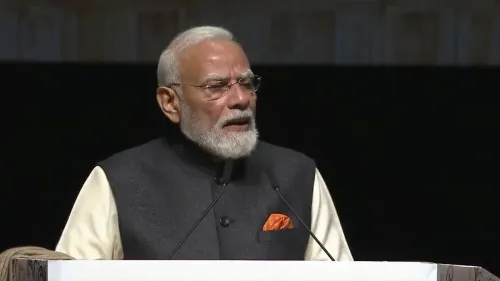
PM Modi addressed the 'Kia Ora Modi' diaspora event in Auckland on 11 July , the final stop of his New Zealand visit.
He cited the rescue of sacred forms of Sri Guru Granth Sahib Ji from Afghanistan as a symbol of India's commitment to Sikh heritage.
The government resolved FCRA-related hurdles affecting seva at Sri Harmandir Sahib after representations from the Sikh community.
A ropeway to Sri Hemkunt Sahib is under construction to ease access for pilgrims, particularly the elderly.
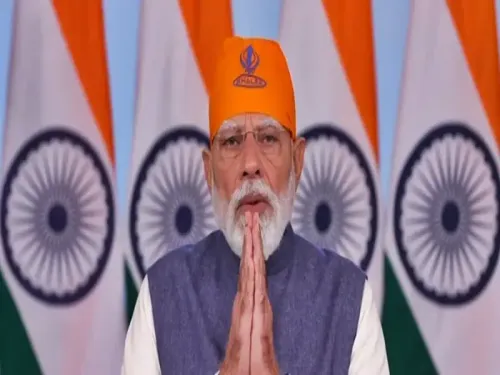
Veer Bal Diwas is now observed nationally on 26 December in memory of the four Sahibzadas and Mata Gujri.
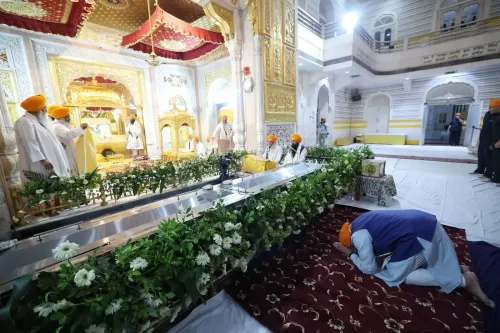
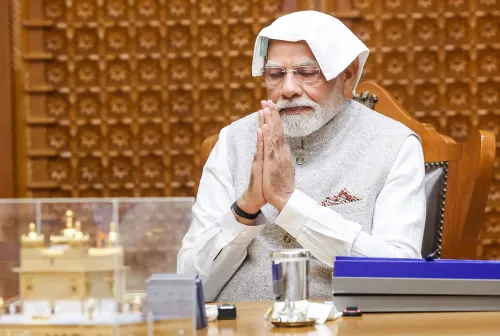
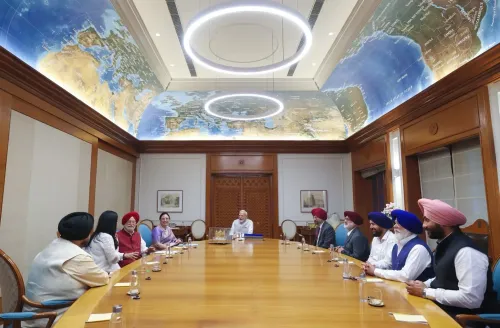
The Jode Sahib of Guru Gobind Singh Ji, preserved for 300 years by Union Minister Hardeep Puri's family, has been installed at Takht Sri Patna Sahib .
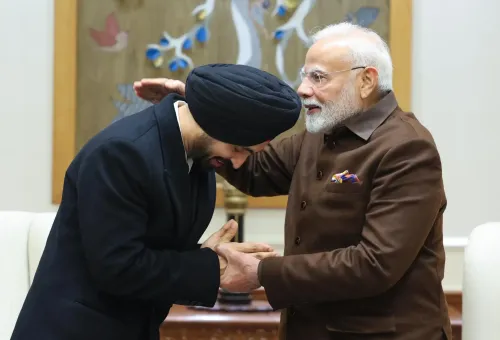
Prime Minister Narendra Modi on Saturday, 11 July used the closing leg of his New Zealand visit to highlight his government's sustained efforts to preserve and honour Sikh heritage, addressing a large gathering of the Indian diaspora at the 'Kia Ora Modi' event in Auckland. Speaking with evident emotion, Modi cited a series of concrete steps — from retrieving sacred manuscripts from war-torn Afghanistan to building a ropeway in the high Himalayas — as evidence of what he called India's equal commitment to economy, ecology, and heritage.
Guru Granth Sahib Rescued from Afghanistan
Modi opened his heritage segment by recalling the evacuation of sacred forms of the Sri Guru Granth Sahib Ji from Afghanistan during the crisis there. 'When a crisis struck Afghanistan, we brought the sacred forms of the Guru Granth Sahib to India with full respect,' he told the Auckland gathering. The episode, he argued, exemplified how India treats its civilisational inheritance — not as artefact but as living faith.
He also underscored that Gurudwaras worldwide have historically served as centres of selfless service. 'If someone comes hungry, they receive food. If someone is in distress, they receive support,' Modi said, before noting that FCRA-related compliance hurdles affecting seva at Sri Harmandir Sahib were flagged by community members and 'immediately resolved' by his administration.
Ropeway to Sri Hemkunt Sahib and Veer Bal Diwas
Modi drew attention to the government's decision to construct a ropeway to Sri Hemkunt Sahib, the high-altitude Sikh shrine nestled among snow-capped Himalayan peaks that remains inaccessible for much of the year. 'The route is very difficult, and very few people are able to do so,' he acknowledged, adding that the ropeway is specifically intended to ease access for elderly pilgrims.
He also cited the institutionalisation of Veer Bal Diwas on 26 December each year, observed in memory of the four Sahibzadas and Mata Gujri. 'Today, every child from Kerala to Assam is learning about the sacrifices of the four Sahibzadas,' Modi said, describing the day as 'a festival of inspiration for the entire country.'
Sacred Jode Sahib Reaches Patna Sahib
In one of the more personal anecdotes of his address, Modi spoke about the sacred Jode Sahib — the footwear of Sri Guru Gobind Singh Ji and Mata Sahib Kaur Ji — preserved for 300 years by the family of Union Minister Hardeep Puri. According to Modi, Puri's ancestors were servants of Guru Gobind Singh Ji and had brought the Jode Sahib safely to Delhi during Partition.
'His family wanted to hand over the sacred Jode Sahib to the Sikh community so that more and more people could see them,' Modi recounted. A committee was formed, Sikh tradition experts were consulted, and the artefacts were ultimately installed at Takht Sri Patna Sahib — the birthplace of Guru Gobind Singh Ji. 'I am very happy that this sacred couple is now on the sacred land of Patna Sahib, and it is my good fortune to have witnessed that sacred occasion,' he said.
Diaspora Event and New Zealand Ties
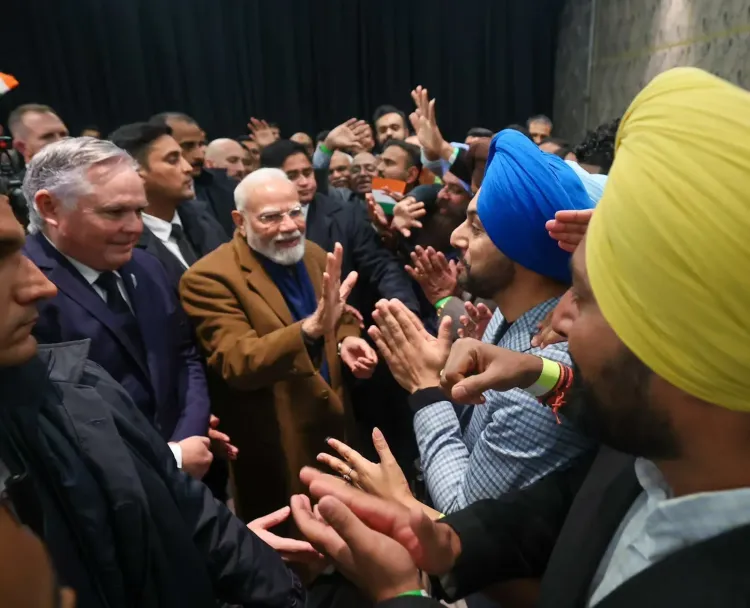
The 'Kia Ora Modi' event drew a large turnout from the Indian community in New Zealand, with New Zealand Prime Minister Christopher Luxon also joining the programme. Modi publicly thanked Luxon for his presence, describing it as reflecting 'the warmth he has for India and the Indian community.' After the event, Modi posted on X: 'The Indian community in New Zealand is one of the strongest pillars of our friendship. Addressing them in Auckland was a memorable experience.'
This was the concluding leg of Modi's New Zealand visit, and the Auckland address marked a deliberate effort to connect diaspora engagement with a broader civilisational narrative — one that the government has been building through a string of heritage-linked policy actions over recent years. The diaspora outreach is expected to continue as India deepens bilateral ties with Pacific-region nations.
Point of View
The Patna Sahib installation, the Hemkunt ropeway) are genuine policy actions, but their consistent packaging for overseas audiences also reflects a calculated effort to consolidate the Sikh diaspora vote bank and counter narratives around the government's relationship with Punjab. The FCRA resolution at Harmandir Sahib, mentioned almost in passing, is arguably the most substantive governance act of the lot — and the one that received the least scrutiny domestically. Heritage diplomacy is increasingly doing double duty: soft power abroad, identity politics at home.
NationPress
11 Jul 2026
Frequently Asked Questions
What did PM Modi say about the Guru Granth Sahib and Afghanistan?
PM Modi said that when crisis struck Afghanistan, his government brought the sacred forms of Sri Guru Granth Sahib Ji back to India 'with full respect.' He cited this as an example of how India treats its civilisational and religious heritage as a living responsibility, not merely a historical artefact.
What is Veer Bal Diwas and why did Modi mention it?
Veer Bal Diwas is observed on 26 December each year in memory of the bravery and sacrifice of the four Sahibzadas and Mata Gujri. Modi highlighted it as a government initiative that has become a national festival of inspiration, with children across India now learning about the Sahibzadas' sacrifices.
What is the Hemkunt Sahib ropeway project?
The government is constructing a ropeway to Sri Hemkunt Sahib, a high-altitude Sikh shrine in the Himalayas that remains snow-bound for much of the year and is difficult to access. The ropeway is aimed at making the pilgrimage feasible for elderly devotees and a broader cross-section of Sikh pilgrims.
What is the Jode Sahib and how did it reach Patna Sahib?
The Jode Sahib refers to the sacred footwear of Sri Guru Gobind Singh Ji and Mata Sahib Kaur Ji, preserved for 300 years by the family of Union Minister Hardeep Puri. After the family expressed a wish to hand them to the wider Sikh community, a government-formed committee decided to install them at Takht Sri Patna Sahib — the birthplace of Guru Gobind Singh Ji.
Who attended the 'Kia Ora Modi' event in Auckland?
The event drew a large gathering of the Indian diaspora in New Zealand, and was also attended by New Zealand Prime Minister Christopher Luxon. PM Modi thanked Luxon for his presence, calling it a reflection of the warmth Luxon holds for India and the Indian community.