Can India and Israel Strengthen AI-Cybersecurity Cooperation?
Synopsis
In an era where artificial intelligence presents both exciting opportunities and daunting risks, India and Israel are collaborating closely in Silicon Valley. This partnership aims to enhance cybersecurity and innovate on a global scale. Discover how their strategic alliance can shape the future of technology.
Key Takeaways
Strengthened ties between India and Israel in AI and cybersecurity.
Over 130 industry leaders participated in discussions.
The importance of responsible AI development for global betterment.
AI's transformative potential comes with significant risks.
Skill shortages in cybersecurity present opportunities for entrepreneurs.
Washington, Feb 14 (NationPress) Officials from India and Israel, alongside tech leaders and investors, convened in Silicon Valley recently to bolster collaborations in artificial intelligence and cybersecurity, expressing concerns that the rapid advancement of AI poses both opportunities and challenges.
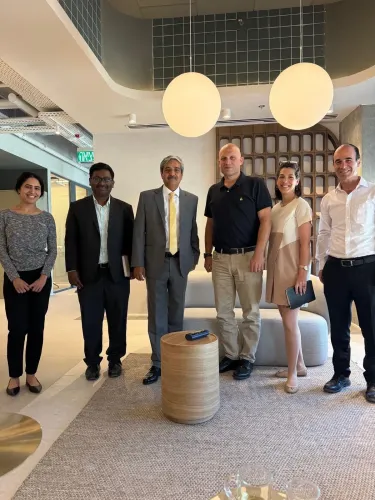
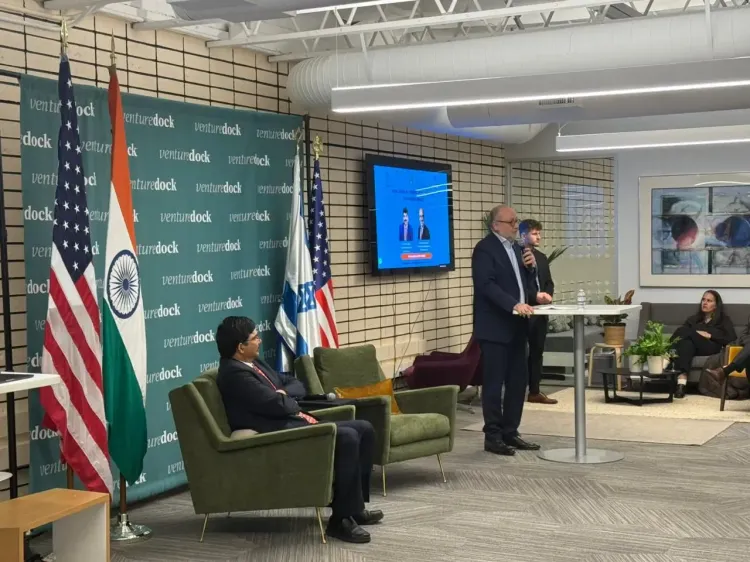
The event, titled the India–Israel AI-Cybersecurity Connect, took place on February 11 in Palo Alto and attracted over 130 entrepreneurs, venture capitalists, and cybersecurity specialists. This initiative was organized by the Consulate General of India in San Francisco, the Consulate General of Israel, and Venture Dock.
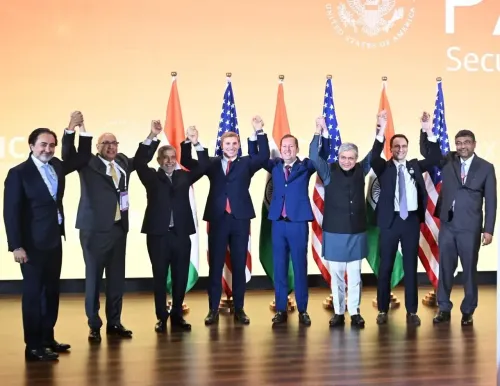
Discussions aimed at enhancing collaboration between India, Israel, and the United States in the realms of AI, cybersecurity, and other significant technologies, framed under the theme “Cybersecurity for AI, and AI for Cybersecurity.”
Dr. K. Srikar Reddy, India’s consul general in San Francisco, emphasized the enduring relationship between the two nations and their increasingly innovative partnership.
“We are pleased to unite these three dynamic innovation ecosystems,” Reddy remarked. “India, the US, and Israel are strategic allies, and we must develop responsible AI and cybersecurity not only for our nations but for global betterment.”
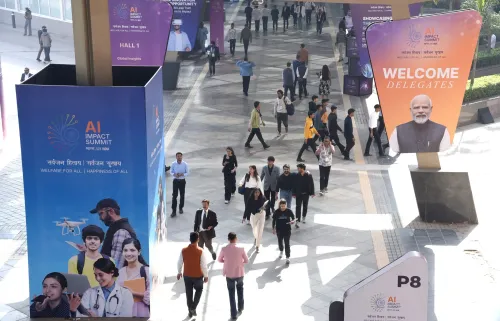
Reddy also mentioned the impending AI Impact Summit in New Delhi, which is expected to attract representatives from over 100 countries. This summit will prioritize “people, planet, and progress,” focusing on inclusive growth and enhancing access to healthcare and education through AI.
Israel’s consul general for the Pacific Northwest, Marco Sermoneta, reflected on the advancements since the establishment of diplomatic relations between India and Israel in the early 1990s.
“The achievements over the past 30 years are remarkable,” Sermoneta stated. “AI is no exception. I genuinely believe that India and Israel are positive forces in the world, particularly in this century.”
He pointed to the growing partnership in AI, education, and entrepreneurship, including cooperative boot camps and hackathons. He noted that Silicon Valley serves as an ideal backdrop to enhance institutional collaborations.
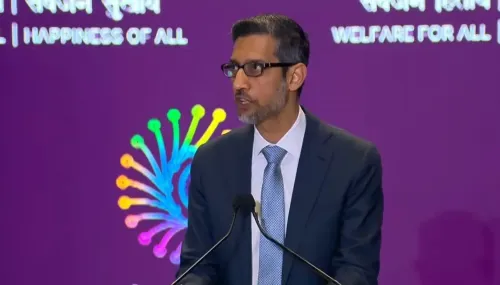
Keynote speaker Jay Chaudhry, CEO of cybersecurity company Zscaler, characterized AI as both revolutionary and potentially hazardous.
“When you need heart surgery, you consult a cardiovascular specialist, not a general doctor. We are the specialists in cybersecurity,” Chaudhry asserted, highlighting the necessity for profound expertise.
He described AI as “powerful and perilous,” asserting that it represents a technological wave surpassing the internet, mobile, or cloud computing. While AI can enhance automation and efficiency, he cautioned that it also lowers barriers for cyber attackers.
Chaudhry warned that AI agents could become new vulnerabilities, potentially allowing organizations to deploy “50 to 100 for each employee.” If these agents are compromised, they could gain extensive access to enterprise systems.
Discussing the startup ecosystem, Chaudhry emphasized that maintaining momentum demands “tremendous effort.” He highlighted the significance of recruiting individuals with genuine “passion and determination.” “We become influenced by what we read, watch, and who we associate with,” he noted.
A panel discussion addressed cybersecurity in an AI-driven landscape, exploring how AI accelerates digital transformation while increasing cyber risks.
“A significant issue in cybersecurity today is the shortage of skilled professionals. It’s challenging to find qualified individuals. Entrepreneurs who tackle this issue using innovative models across the cybersecurity spectrum are likely to establish some of the largest firms in the future,” remarked Guru Chahal, a partner at Lightspeed Ventures.
Point of View
I recognize the significance of the collaboration between India and Israel in the fields of AI and cybersecurity. This partnership not only reflects their mutual commitment to innovation but also highlights the importance of responsible technology development for global welfare. The cooperation signals a promising future for enhanced security measures and technological advancements.
NationPress
19 Sept 2026
Frequently Asked Questions
What was the purpose of the India-Israel AI-Cybersecurity Connect event?
The event aimed to deepen collaboration in artificial intelligence and cybersecurity between India, Israel, and the U.S., addressing both opportunities and risks associated with AI.
What themes were discussed during the event?
The discussions focused on the themes 'Cybersecurity for AI, and AI for Cybersecurity,' highlighting the interconnection between these fields.
How does the collaboration benefit global technology?
The partnership aims to develop responsible and innovative AI and cybersecurity solutions that can positively impact not just the participating countries but the world as a whole.
What upcoming events are related to this collaboration?
India's AI Impact Summit in New Delhi is expected to gather participants from over 100 countries, focusing on inclusive growth through AI.
What are the risks associated with AI according to experts?
Experts warn that while AI can enhance productivity, it also presents new vulnerabilities that cyber attackers can exploit.