India-Morocco bilateral trade talks: Prasada meets Hejira in Rabat
Synopsis
India and Morocco are pushing to move beyond their USD 4 billion merchandise trade relationship, with MoS Jitin Prasada in Rabat to co-chair the 7th Joint Commission — covering everything from fertilisers and pharma to digital transformation and a new Cultural Exchange Programme running through 2030.
Key Takeaways
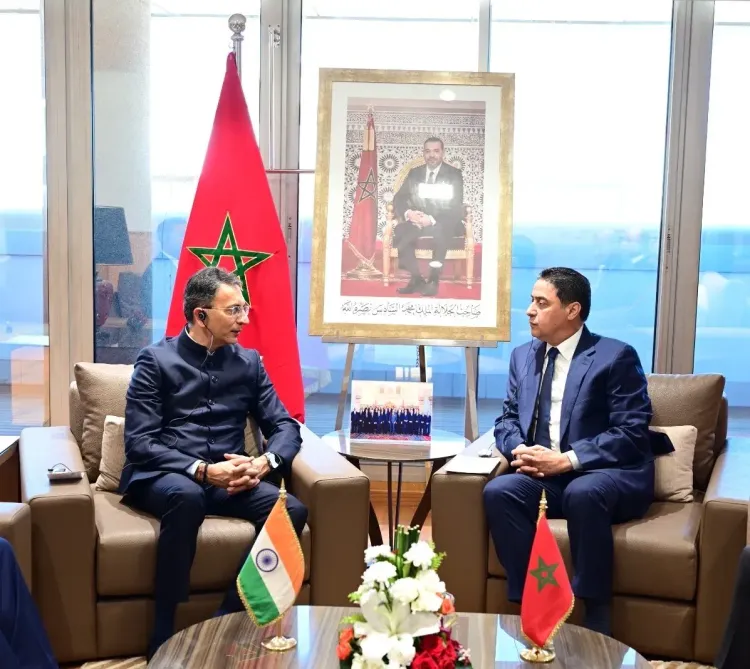
Jitin Prasada , Minister of State for Commerce, met Morocco's Omar Hejira in Rabat on 24 August to discuss expanding bilateral trade.
Prasada is co-chairing the 7th Session of the India-Morocco Joint Commission during his 24–25 August official visit.
Talks span over a dozen sectors including fertilisers, pharmaceuticals, renewable energy, digital transformation, and AYUSH.
Bilateral merchandise trade between India and Morocco reached approximately USD 4 billion in 2025 .
A Cultural Exchange Programme for 2026–2030 is expected to be signed during the Joint Commission meeting.
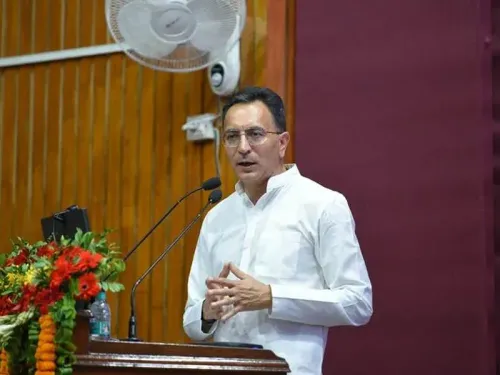
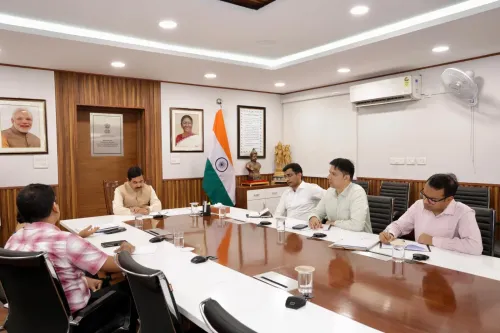
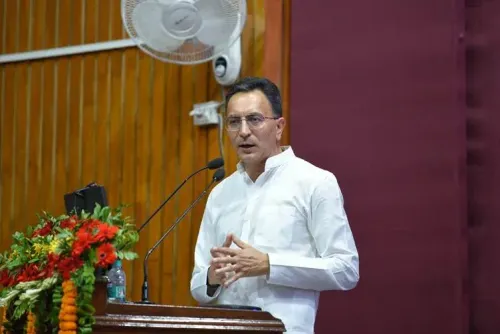
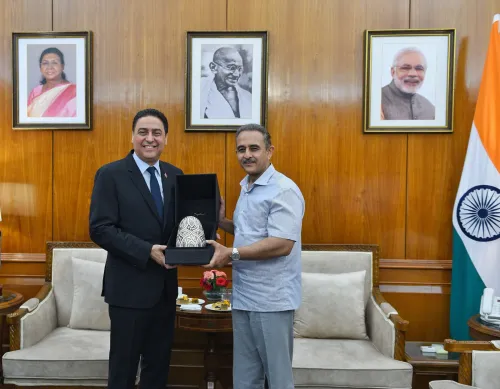
Minister of State for Commerce and Industry Jitin Prasada met Omar Hejira, Morocco's State Minister for Foreign Trade, in Rabat on Monday, 24 August, for wide-ranging discussions on expanding bilateral trade, boosting exports and investments, and deepening mutual cooperation between India and Morocco. The meeting forms part of Prasada's two-day official visit to Morocco from 24 to 25 August.
7th India-Morocco Joint Commission
Prasada is co-chairing the 7th Session of the India-Morocco Joint Commission alongside Hejira, who also serves as Morocco's Secretary of State in charge of Foreign Trade. The Joint Commission provides a formal platform to review existing bilateral economic and commercial cooperation and chart a course for broader, mutually beneficial engagement.
According to the Ministry of Commerce and Industry, the session is expected to cover a wide spectrum of sectors, including trade and market access, fertiliser production and supply, investment, industrial cooperation, customs, agriculture and food safety, pharmaceuticals and healthcare, energy and mining, renewable energy, digital transformation, transport and logistics, AYUSH, tourism, education, and skills development.
Cultural Exchange Programme 2026–2030
A Cultural Exchange Programme covering the years 2026 to 2030 is expected to be signed during the Joint Commission meeting. The programme will facilitate exchanges of artists and professionals, participation in festivals and exhibitions, cooperation in heritage conservation, and strengthened linkages among museums, libraries, and archival institutions in both countries.
Trade Figures and Bilateral Ties
India and Morocco share longstanding diplomatic and economic ties, with bilateral merchandise trade reaching approximately USD 4 billion in 2025. Both sides are expected to discuss measures to diversify the trade basket and enhance market access opportunities — a priority given Morocco's strategic position as a gateway to African and European markets.
Prasada described the meeting as 'a meaningful and important' engagement, noting that discussions addressed expanding bilateral trade, promoting exports and investments, and further strengthening mutual cooperation.
What Comes Next
The outcomes of the Joint Commission session — including any agreements on fertiliser cooperation, pharmaceutical trade, and digital transformation — are expected to be formalised before Prasada concludes his visit on 25 August. The signing of the Cultural Exchange Programme, if completed as planned, would mark a new institutional framework for people-to-people ties between the two nations through 2030.
Point of View
But it remains well below the potential of two economies with complementary strengths — India's pharmaceuticals and IT services on one side, Morocco's phosphate and fertiliser dominance on the other. The inclusion of fertiliser cooperation in the Joint Commission agenda is the detail that deserves closest scrutiny: India is the world's largest fertiliser importer, and Morocco controls roughly 70% of global phosphate reserves. If this session produces a concrete supply framework, it would have consequences well beyond bilateral optics. The cultural programme, while welcome, is the easier deliverable; the harder test is whether trade diversification commitments translate into measurable market-access gains within the five-year window.
NationPress
25 Aug 2026
Frequently Asked Questions
What was discussed in the India-Morocco meeting in Rabat on 24 August?
Minister of State Jitin Prasada and Morocco's Omar Hejira discussed expanding bilateral trade, promoting exports and investments, and strengthening mutual cooperation. Topics ranged from fertiliser supply and pharmaceuticals to renewable energy, digital transformation, and tourism.
What is the India-Morocco Joint Commission?
The India-Morocco Joint Commission is a formal bilateral mechanism to review and advance economic and commercial cooperation between the two countries. The 7th Session, being co-chaired by Prasada and Hejira, is the latest in a series of structured engagements aimed at broadening trade and investment ties.
How large is bilateral trade between India and Morocco?
Bilateral merchandise trade between India and Morocco reached approximately USD 4 billion in 2025. Both sides are working to diversify the trade basket and improve market access beyond current levels.
What is the India-Morocco Cultural Exchange Programme 2026–2030?
It is a five-year programme expected to be signed during the Joint Commission meeting that will promote exchanges of artists and professionals, participation in festivals and exhibitions, heritage conservation cooperation, and stronger linkages among museums, libraries, and archives in both countries.
Why does fertiliser cooperation feature in India-Morocco trade talks?
Morocco is one of the world's largest holders of phosphate reserves, a key input for fertiliser production, while India is among the largest importers of fertilisers globally. Cooperation in this sector could help India secure more stable supply chains for agricultural inputs.