Are the Foundations of India-Bangladesh Relations Strong Enough to Withstand Current Challenges?
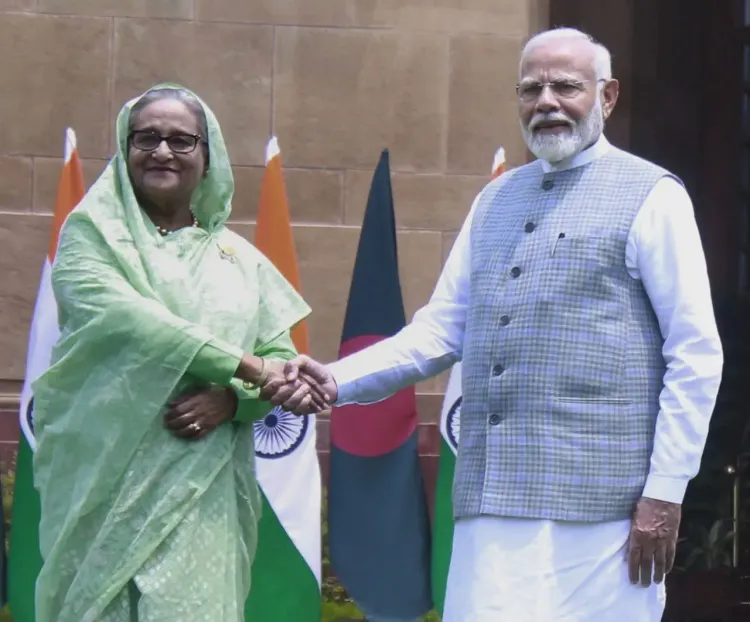
Synopsis
In a recent interview, former Prime Minister Sheikh Hasina emphasizes the strong foundations of the India-Bangladesh relationship amidst rising tensions due to violence against minorities. She expresses gratitude to PM Modi for his support and affirms the importance of upholding democratic principles. Can this partnership endure the current challenges?
Key Takeaways
Strong Foundations: The India-Bangladesh relationship is historically robust.
Democratic Values: Upholding democracy and minority rights is crucial for both nations.
Security Concerns: Rising violence against minorities poses challenges for regional stability.
Diplomatic Engagement: Open communication between India and Bangladesh is essential.
Future Elections: Upcoming elections in Bangladesh are critical for its political landscape.
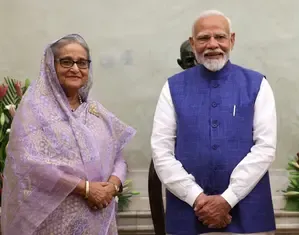
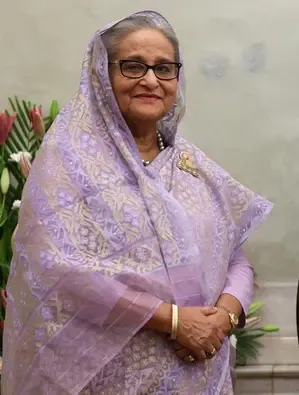
Dhaka, Dec 7 (NationPress) Expressing her gratitude towards Prime Minister Narendra Modi and the citizens of India for their unwavering "support and humanity," former Prime Minister of Bangladesh and President of the Bangladesh Awami League, Sheikh Hasina, emphasized on Wednesday that New Delhi is justified in its commitment to uphold democratic values, protect minorities, and ensure regional stability in Dhaka.
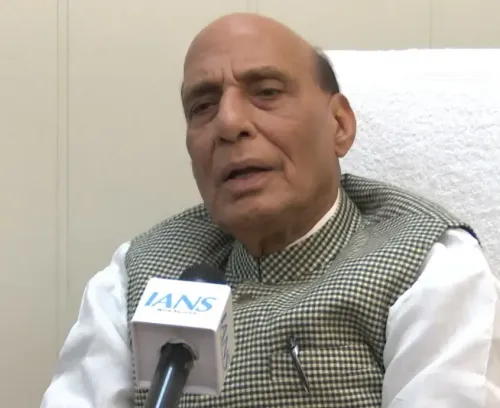
"India has always been Bangladesh’s closest neighbor and ally. Our nations share a deep connection rooted in history, geography, collaborative efforts, and a mutual commitment to regional peace. I am sincerely thankful to Prime Minister Modi and the people of India for their support and compassion," Hasina stated in an exclusive e-mail interview with IANS.
"A secure and democratic Bangladesh benefits both our countries. India is correct in emphasizing the significance of democratic values, minority rights, and regional stability, seeking a dependable and trustworthy partner in Bangladesh that is governed by a democratically elected administration reflective of the people's will," she further stated.
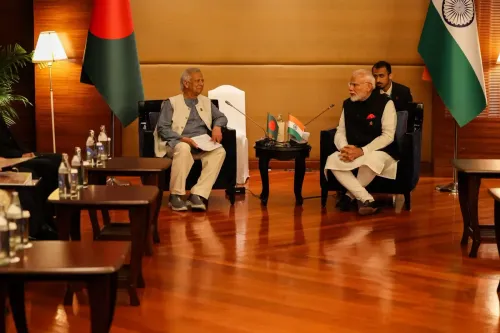
Recent tensions have escalated between the two nations due to rising violence against Hindu minorities and the recent assaults on Indian diplomatic missions in Bangladesh under the interim government led by Mohammad Yunus.
With elections scheduled for February 12 amidst a deteriorating security landscape and growing political discord, Hasina expressed her assurance that the foundations of the bilateral relationship are robust enough to weather this challenging phase, asserting that they will strengthen once the citizens of Bangladesh are allowed to elect their government freely.
Last week, India expressed serious concern regarding the ongoing violence against religious minorities—including Hindus, Christians, and Buddhists—in Bangladesh and confirmed that it is vigilantly observing developments in its vicinity.
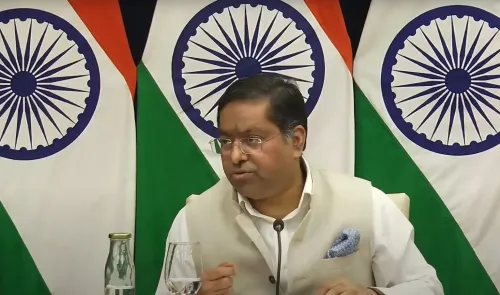
India's Ministry of External Affairs (MEA) spokesperson, Randhir Jaswal, denounced the recent murder of a Hindu youth in Mymensingh and expected that justice would be served against those responsible for the crime.
Condemning the ongoing "unrelenting hostility" towards minorities in Bangladesh, India also dismissed the misleading anti-India narrative emerging from Bangladesh, reiterating that maintaining law and order falls under the responsibilities of the Yunus-led interim government.
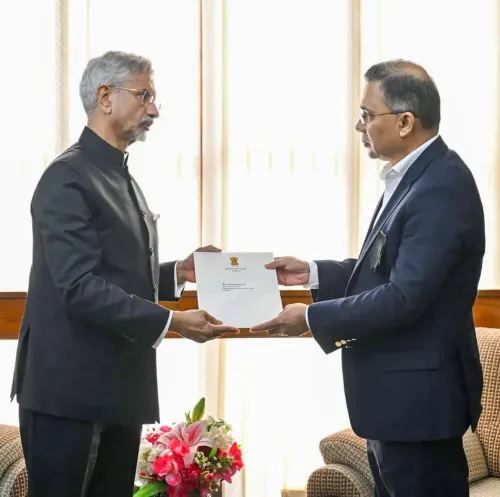
Recently, the MEA summoned the Bangladesh High Commissioner to India, Riaz Hamidullah, to express New Delhi's significant concerns over the declining security conditions in Bangladesh.
The MEA indicated that the envoy was specifically informed about extremist groups that have threatened to create security issues around the Indian mission in Dhaka.
Furthermore, India firmly rejected the false narrative propagated by extremist factions regarding recent events in Bangladesh.
The MEA has also voiced concerns that the Yunus-led interim government has not conducted thorough investigations or provided substantial evidence to India concerning these incidents.
India has urged the interim government to ensure the protection of Indian diplomatic missions in Bangladesh, in line with its diplomatic obligations.
According to the MEA, over 2,900 instances of violence against minorities, including killings, arson, and land grabs, have been recorded during the tenure of the interim government, and these occurrences cannot simply be dismissed as media exaggerations or political unrest.
Point of View
It is evident that the relationship between India and Bangladesh is currently under strain due to political and social tensions. However, history suggests that strong diplomatic ties and mutual interests can pave the way for resolution and cooperation. Our nation must remain committed to fostering these relationships for the greater good.
NationPress
3 Oct 2026
Frequently Asked Questions
What are the main concerns of India regarding Bangladesh?
India is concerned about the rising violence against religious minorities in Bangladesh and seeks assurance for the safety of its diplomatic missions.
How does Sheikh Hasina view the India-Bangladesh relationship?
Sheikh Hasina believes that the foundations of the India-Bangladesh relationship are strong enough to endure current challenges.
What is the significance of the upcoming elections in Bangladesh?
The upcoming elections in Bangladesh are critical, as they occur amidst escalating political tensions and security concerns.
What actions has India taken regarding security concerns in Bangladesh?
India has summoned the Bangladeshi High Commissioner to express its concerns and has called for the protection of its diplomatic missions.
What is the historical context of India-Bangladesh relations?
India and Bangladesh share a deep historical connection, with ties rooted in geography, mutual cooperation, and a commitment to regional stability.