India-Bangladesh ties reset: Modi-Rahman outreach opens diplomatic window
Synopsis
A report by Bangladesh's Daily Sun argues that Modi's phone call, public congratulations, and BRICS Summit invitation to PM Tarique Rahman represent a rare diplomatic opening — one that could redefine India-Bangladesh ties if both sides choose to move beyond political noise on water, trade, and border disputes.
Key Takeaways
India and Bangladesh are at a 'critical crossroads,' with current decisions likely to shape bilateral ties for years, according to Bangladesh 's Daily Sun .
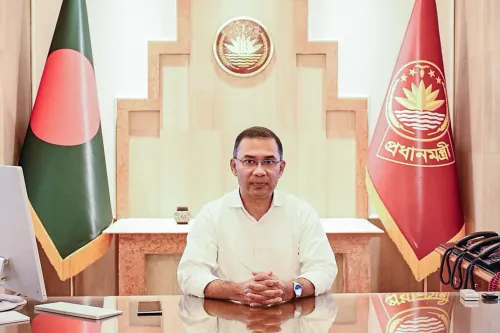
PM Narendra Modi congratulated and spoke by phone with PM Tarique Rahman after Bangladesh 's general election, and invited him to the BRICS Summit in New Delhi in September .
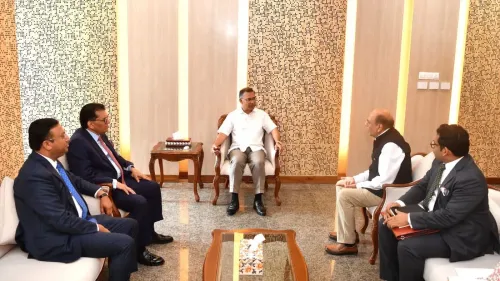
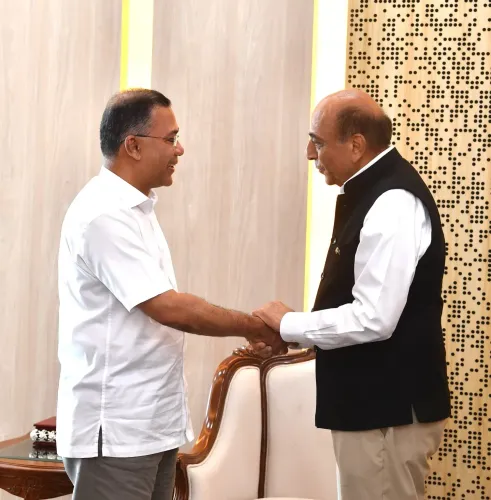
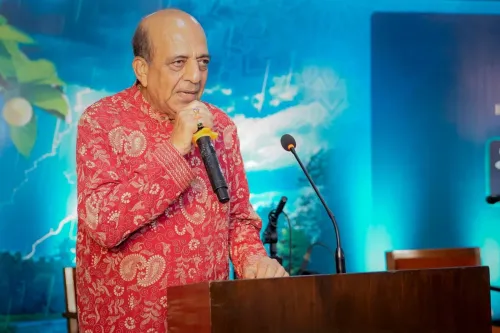
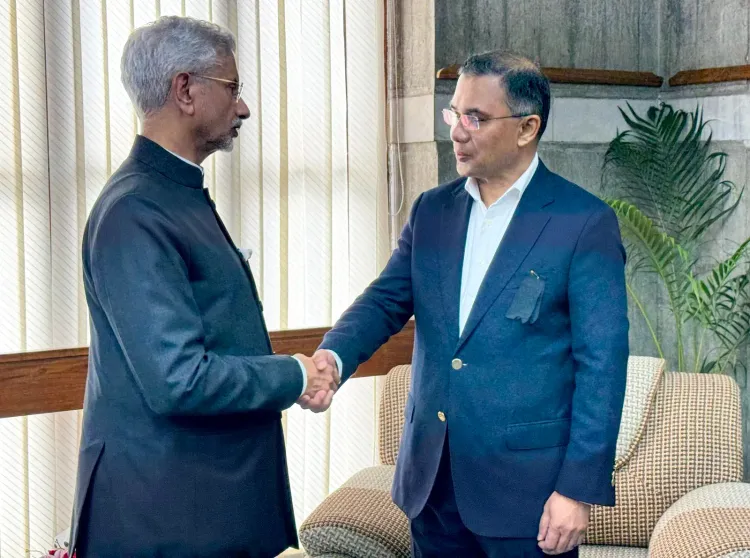
India's High Commissioner Dinesh Trivedi met Foreign Minister Khalilur Rahman and State Minister Shama Obaed Islam in Dhaka , describing talks as 'filled with immense positivity.' Key unresolved issues include water sharing, border management, trade imbalances, and connectivity.
Trivedi expressed confidence that bilateral ties would advance once PM Rahman visits India , calling such a visit 'very hopeful' in the near future.
India and Bangladesh stand at a pivotal crossroads, with the diplomatic choices made now likely to shape bilateral relations for years ahead, according to a report published by Bangladesh's Daily Sun on 30 July. Recent high-level exchanges between New Delhi and Dhaka have opened what analysts describe as a rare window to recalibrate the tone and substance of ties between the two neighbours.
Modi-Rahman Outreach Goes Beyond Protocol
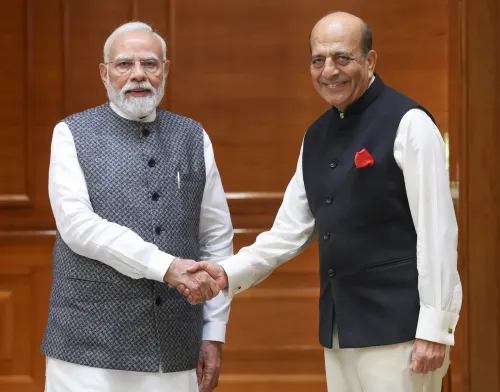
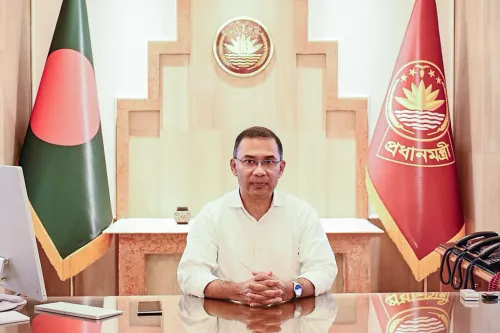
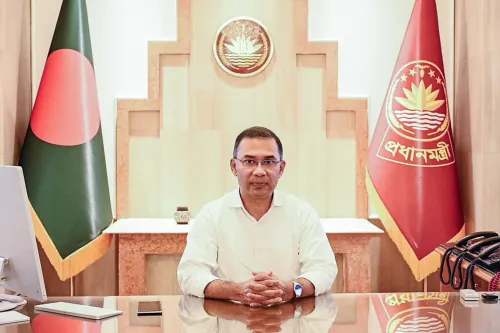
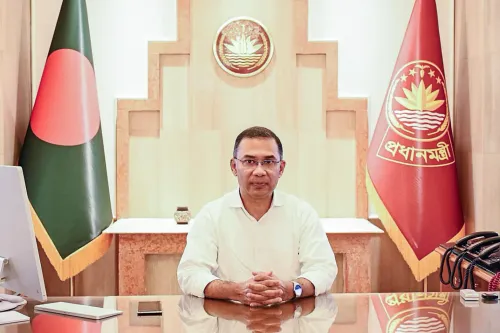
Prime Minister Narendra Modi's public congratulations and telephone conversation with Bangladeshi Prime Minister Tarique Rahman following Bangladesh's general election this year signal more than routine diplomatic courtesy, the report noted. Modi's invitation to Rahman to attend the BRICS Summit to be held in New Delhi in September further underscores the intent to place the bilateral relationship on a forward-looking footing. According to the Daily Sun report, these gestures collectively offer both governments 'a genuine chance to turn the page.'
Deep Roots of a Complex Relationship
The report emphasised that very few neighbouring countries share a foundation of trust as layered as that between India and Bangladesh. 'They are tied together by geography, by rivers that completely ignore political boundaries, by shared literature, and by families torn apart by partition yet still bound by memory,' it observed. The two nations share centuries of commerce and culture predating modern borders, and are bound most profoundly by the shared experience of 1971 — the year Bangladesh was born, with India playing a decisive role in its liberation.
Tough Issues Remain on the Table
The report did not sidestep the friction points. Water sharing, border management, trade imbalances, connectivity, and a competitive geopolitical neighbourhood are expected to test the relationship repeatedly. 'Mature neighbours are not defined by having zero problems; they are defined by how calmly and confidently they manage them,' the report stated. It argued that the strongest bilateral relationships are built not on agreement over every issue, but on mutual respect and the ability to look beyond immediate political noise.
India's High Commissioner Strikes Optimistic Note
India's High Commissioner to Bangladesh, Dinesh Trivedi, expressed confidence that ties would move forward constructively once Prime Minister Rahman visits India. Speaking to reporters after separate meetings with Bangladesh's Foreign Minister Khalilur Rahman and State Minister for Foreign Affairs Shama Obaed Islam at the Ministry of Foreign Affairs in Dhaka, Trivedi described the discussions as positive. 'I am looking forward to everything positively. We had a great meeting filled with immense positivity,' he was quoted as saying by Bangladeshi media outlet UNB.
On the question of Rahman's visit to India, Trivedi said the decision rests with the Bangladeshi Prime Minister, while adding: 'From our end, I can assure you that we are looking forward to welcoming the Prime Minister of Bangladesh to India. We are very hopeful that this visit will take place in the near future.'
What Comes Next
Both governments now face the task of converting diplomatic goodwill into substantive progress on long-pending issues. The BRICS Summit invitation, if accepted, could serve as the first high-profile bilateral touchpoint under the new Bangladeshi administration. Whether the momentum translates into durable cooperation — or stalls on unresolved disputes — will depend on the political will on both sides in the months ahead.
Point of View
But it is also fragile. The Modi-Rahman phone call and BRICS invitation are gestures — they are not yet a framework. The structural irritants — Teesta water sharing, trade asymmetry, border fencing disputes — have outlasted multiple governments and multiple rounds of goodwill. What is different this time is the political context: Rahman leads a post-election Bangladesh that needs economic stability, and India needs a stable eastern neighbour as it navigates a more assertive China in the region. That convergence of interests is the strongest argument for a genuine reset. Whether it produces deliverables or remains atmospherics will be clear by the time the BRICS Summit concludes in September.
NationPress
14 Sept 2026
Frequently Asked Questions
Why are India-Bangladesh ties being described as at a 'critical crossroads'?
A report by Bangladesh's Daily Sun argues that the diplomatic decisions made now — including high-level outreach between PM Modi and PM Tarique Rahman — will define the bilateral relationship for years. The two countries face both a rare window of goodwill and longstanding unresolved disputes on water, trade, and borders.
What is the significance of Modi's BRICS Summit invitation to Tarique Rahman?
PM Modi's invitation to PM Tarique Rahman to attend the BRICS Summit in New Delhi in September goes beyond routine diplomatic protocol, according to the Daily Sun report. It is seen as a signal that India wants to place the relationship on a constructively forward-looking footing under Bangladesh's new government.
What did India's High Commissioner Dinesh Trivedi say about bilateral ties?
High Commissioner Dinesh Trivedi, after meeting Bangladesh's Foreign Minister Khalilur Rahman and State Minister Shama Obaed Islam in Dhaka, described the discussions as positive. He expressed confidence that ties would move forward once PM Rahman visits India, calling such a visit 'very hopeful' in the near future.
What are the main issues that could test India-Bangladesh relations?
The key friction points include water sharing (particularly the Teesta river), border management, trade imbalances, and connectivity. The report notes that a competitive geopolitical neighbourhood adds further complexity, and that resolving these issues will require sustained political will from both sides.
What historical ties bind India and Bangladesh?
India and Bangladesh share geography, river systems, literature, and family bonds that predate modern nationhood. Their most defining shared moment is 1971, when India played a decisive role in Bangladesh's liberation — a connection the Daily Sun report describes as the deepest foundation of the bilateral relationship.