Indian envoy meets PM Modi on India-Bangladesh ties after Dhaka visit
Synopsis
India's High Commissioner to Bangladesh completed a rare back-to-back diplomatic circuit — Dhaka one day, New Delhi the next — meeting both Bangladesh PM Tarique Rahman and PM Modi within 24 hours. With a BRICS Summit invitation on the table and the MEA publicly distancing itself from Sheikh Hasina's remarks, this is the clearest signal yet that both capitals want to move past recent friction.
Key Takeaways
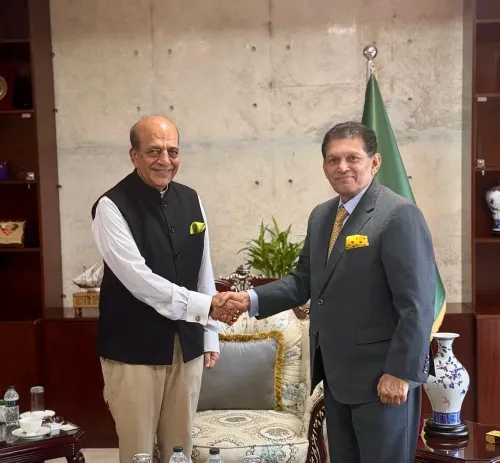
India's High Commissioner Dinesh Trivedi met Prime Minister Narendra Modi in New Delhi on 11 August to seek guidance on bilateral engagement with Bangladesh.
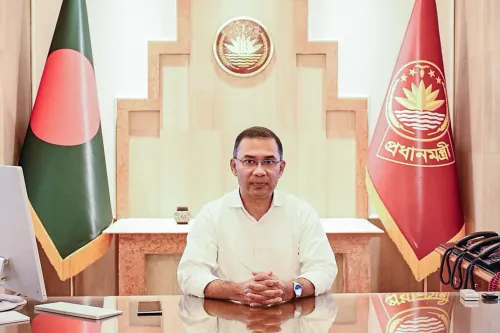
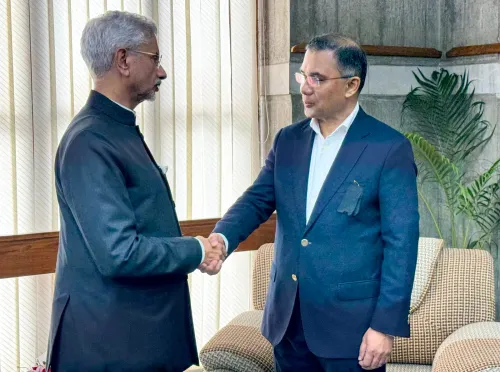
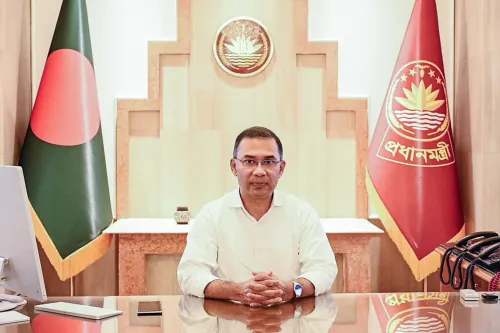
The day before, Trivedi had called on Bangladesh Prime Minister Tarique Rahman in Dhaka , conveying greetings from Modi and a commitment to constructive ties.
The MEA has clarified that India had no involvement in former PM Sheikh Hasina 's recent virtual media interaction and does not endorse her remarks about the Dhaka government.
Analysts describe the diplomatic outreach as a 'positive shift' after a period of strain between the two countries.
Bangladesh PM Rahman has been invited to attend the BRICS Summit in New Delhi in September , offering a potential high-level reset.
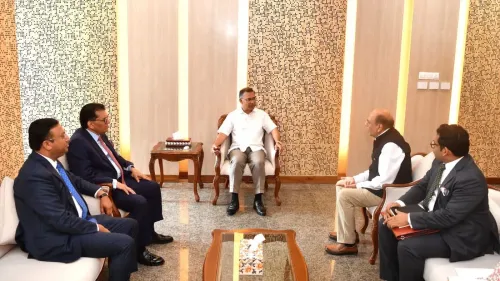
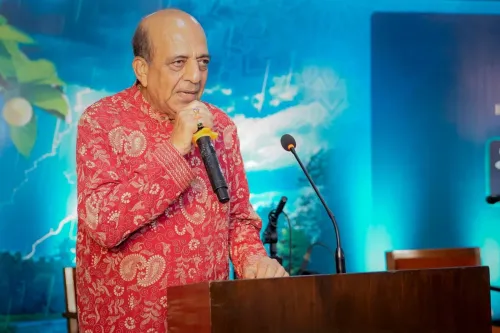
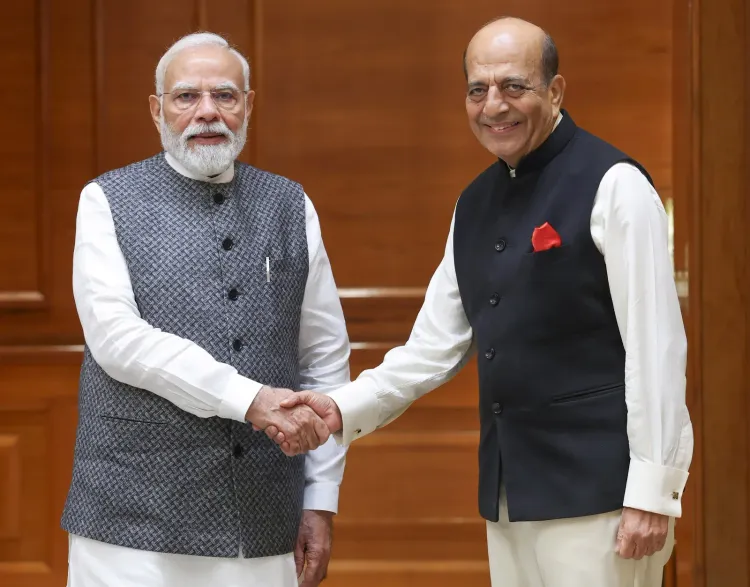
India's High Commissioner to Bangladesh, Dinesh Trivedi, on Tuesday, 11 August called on Prime Minister Narendra Modi in New Delhi, seeking guidance on deepening bilateral engagement — a day after he met Bangladesh Prime Minister Tarique Rahman in Dhaka. The back-to-back diplomatic outreach signals a concerted push to reset a relationship that has weathered a period of notable strain.
What the Envoy Sought
The High Commission of India in Bangladesh confirmed the meeting in a post on X, stating that Trivedi 'sought his guidance on further strengthening the multifaceted and enduring bilateral relationship between India and Bangladesh in a constructive manner with a people-centric approach.' The language — measured and forward-looking — reflects a deliberate tonal shift from the friction of recent months.
The Dhaka Meeting a Day Earlier
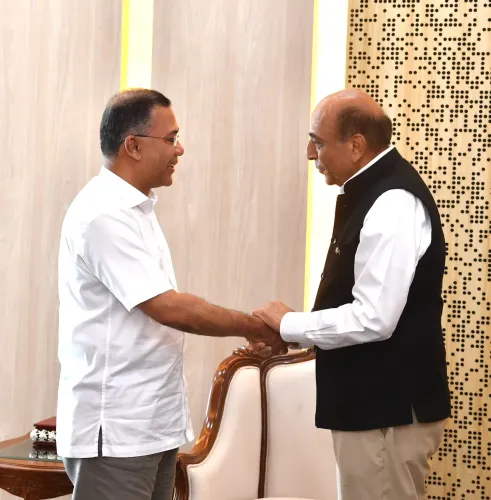
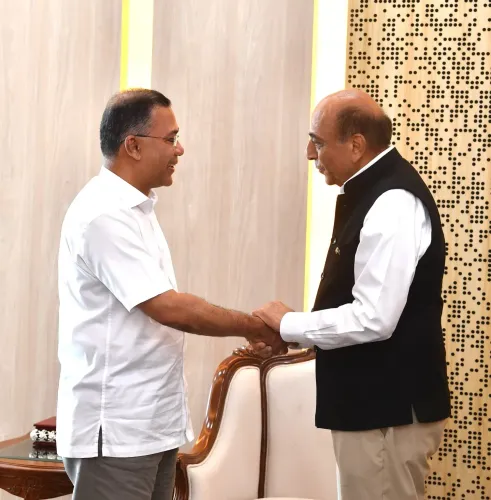
On Monday, 10 August, High Commissioner Trivedi had called on Bangladesh Prime Minister Tarique Rahman in Dhaka, conveying greetings from Prime Minister Modi and signalling India's intent to work 'in a positive, constructive and forward-looking manner' with the Bangladesh government and its people. According to the High Commission, the two sides 'exchanged views on matters of mutual interest and discussed avenues for further strengthening bilateral relations with a people-centric approach.'
Diplomatic Context and the Hasina Factor
Analysts have described the engagement as a 'positive shift' following a period of diplomatic tension. The latest friction was partly triggered by former Bangladesh Prime Minister Sheikh Hasina's recent virtual address to journalists in New Delhi, which drew sharp reactions in Dhaka. The Ministry of External Affairs (MEA) subsequently clarified that the Indian government had no involvement in the interaction and does not endorse remarks made at the event — particularly those concerning the duly constituted government in Dhaka. This public distancing was itself read as a calibrated diplomatic signal.
What Analysts and Regional Media Are Saying
Bangladesh's Daily Sun noted that geography, history, trade, river-sharing arrangements, security cooperation, and deep people-to-people ties bind the two neighbours in ways 'neither can wish away.' The paper argued that 'political disagreements are inevitable; allowing them to overwhelm the larger relationship is a choice,' and observed that 'there are now signs that both Dhaka and Delhi understand the need to prevent that from happening.' It also pointed to past instances where difficult bilateral disputes — ones that resisted successive governments — were eventually resolved through 'patience, negotiation and political courage on both sides.'
What Comes Next
The invitation extended to Prime Minister Rahman to visit India — including an invitation to attend the BRICS Summit in New Delhi in September — provides a potential high-level platform for further engagement. If Rahman accepts, it would mark a significant milestone in the diplomatic recalibration now underway. High Commissioner Trivedi, who has reportedly adopted a conciliatory approach since assuming office, has expressed optimism about taking the relationship forward through mutual understanding.
Point of View
South Block on Tuesday — is itself a message: India is actively managing a relationship it cannot afford to let drift. What is less clear is whether the 'people-centric approach' language represents a genuine policy reorientation or diplomatic boilerplate dressed up as outreach. The MEA's public disavowal of Hasina's remarks was necessary but late; the damage to India's image in Dhaka had already been done. The real test will be whether Rahman accepts the BRICS invitation — and if he does, whether both sides can convert a photo-op into durable frameworks on trade, river-water sharing, and border management.
NationPress
26 Sept 2026
Frequently Asked Questions
Why did India's High Commissioner meet PM Modi after visiting Dhaka?
High Commissioner Dinesh Trivedi met PM Narendra Modi on 11 August to seek his guidance on strengthening India-Bangladesh bilateral ties following his meeting with Bangladesh PM Tarique Rahman in Dhaka the previous day. The back-to-back visits reflect a coordinated diplomatic effort to reset a relationship strained by recent tensions.
What was discussed when Trivedi met Bangladesh PM Tarique Rahman?
During the Dhaka meeting on 10 August, Trivedi conveyed greetings from PM Modi and India's intent to work in a 'positive, constructive and forward-looking manner' with Bangladesh. The two sides exchanged views on matters of mutual interest and discussed avenues for strengthening bilateral ties with a people-centric approach.
What role did Sheikh Hasina's media interaction play in the diplomatic tension?
Former Bangladesh PM Sheikh Hasina's recent virtual address to journalists in New Delhi triggered strong reactions in Dhaka. The MEA clarified that the Indian government had no involvement in the event and does not endorse remarks made there, particularly those concerning the current Bangladesh government.
What is the significance of the BRICS Summit invitation to Bangladesh PM Rahman?
Bangladesh PM Tarique Rahman has reportedly been invited to attend the BRICS Summit in New Delhi in September, which analysts see as a significant opportunity for high-level diplomatic engagement. If accepted, it could mark a major step in the ongoing effort to normalise India-Bangladesh relations.
How have analysts assessed the current state of India-Bangladesh relations?
Analysts have described the recent diplomatic engagement as a 'positive shift,' suggesting both countries recognise the need to prevent political disagreements from overwhelming their broader relationship. Bangladesh's Daily Sun noted that geography, trade, rivers, security, and people-to-people ties bind the two nations in ways that make sustained estrangement costly for both sides.