India-Canada trade talks resume October 5, eye $70 billion target by 2030
Synopsis
India and Canada have set 5 October as the start date for their next trade negotiation round, with both governments targeting a deal by year-end. With current two-way trade at over $30 billion and a $70-billion-by-2030 goal on the table, and nearly 300 Canadian business delegates heading to India this month, the bilateral reset is moving at an unusually fast clip.
Key Takeaways
India and Canada will begin the fifth round of trade negotiations on 5 October 2026 .
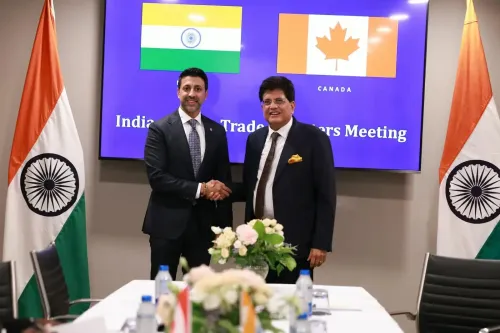
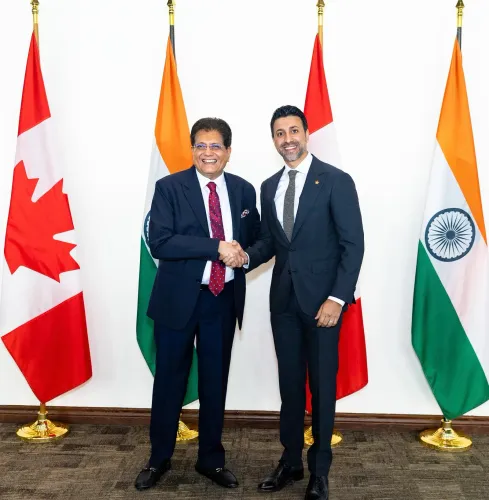
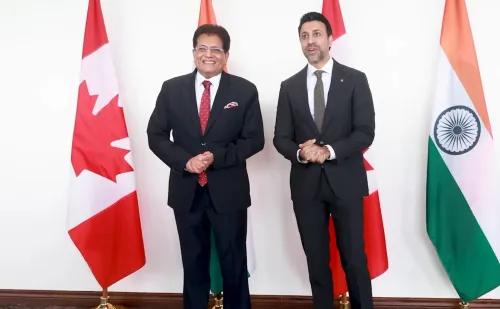
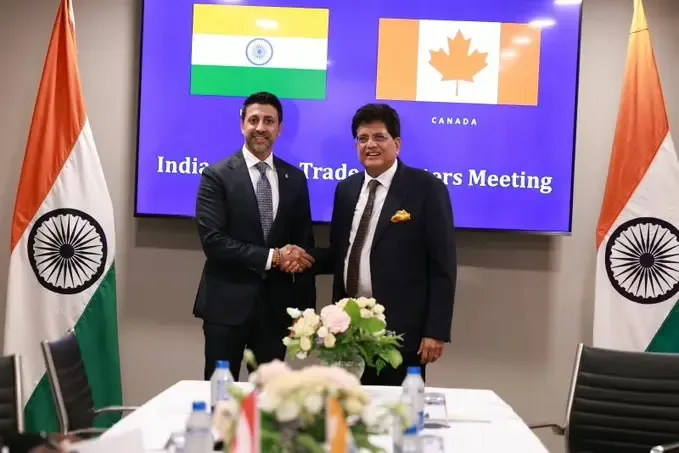
Canadian Trade Minister Maninder Sidhu met Commerce Minister Piyush Goyal at the G20 Trade Ministers' Meeting in Milwaukee ahead of the announcement.
Both governments are targeting a bilateral trade deal before the end of 2026 .
Two-way trade currently exceeds $30 billion ; the shared target is $70 billion by 2030 .
Canada will send a Team Canada Trade Mission of nearly 300 delegates to India this month, covering critical minerals, energy, agriculture, and technology.
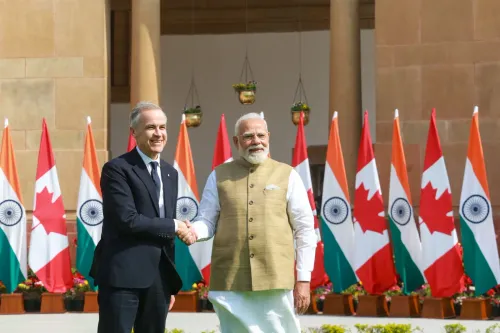
Talks come after a period of diplomatic strain between New Delhi and Ottawa, marking a significant bilateral reset.
India and Canada will kick off the next round of trade negotiations on 5 October 2026, as both governments intensify efforts to conclude a bilateral trade agreement before the end of the year. The announcement came from Canadian International Trade Minister Maninder Sidhu, a day after he met Commerce and Industry Minister Piyush Goyal on the sidelines of the G20 Trade Ministers' Meeting in Milwaukee.
Key Developments
The upcoming round follows the fourth round of negotiations held in Mumbai, signalling a steady acceleration in the pace of talks. Minister Sidhu confirmed the timetable in a social media post, saying the two sides were advancing discussions 'to conclude towards a deal before the end of this year.' The disclosure offers the clearest public roadmap yet for the bilateral trade process.
Alongside the negotiations, Sidhu announced he would lead a Team Canada Trade Mission to India this month, bringing nearly 300 Canadian delegates drawn from businesses across multiple sectors. The scale of the delegation underscores growing Canadian private-sector appetite for access to what Ottawa has described as 'one of the world's fastest-growing markets.'
The $70 Billion Bilateral Trade Goal
Two-way trade between India and Canada currently stands at more than $30 billion. Both governments have set a shared target of $70 billion by 2030, implying a more than doubling of the trade relationship within five years. 'There is significant room to grow the trade and investment relationship between our two countries,' Sidhu said.
Canada has identified critical minerals, energy, agriculture, and technology as priority sectors for Canadian companies seeking partnerships and customers in India. An agreement, if concluded, would be intended to give businesses in both countries greater market access on the other side.
Diplomatic Context
The renewed momentum is notable given that India-Canada relations had gone through a period of significant diplomatic strain, which disrupted high-level contacts and stalled trade negotiations. The return of commerce to the centre of the bilateral relationship represents a deliberate reset by both governments.
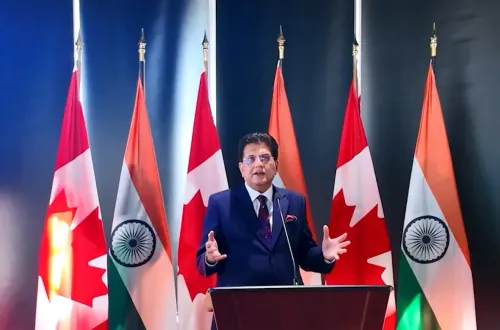
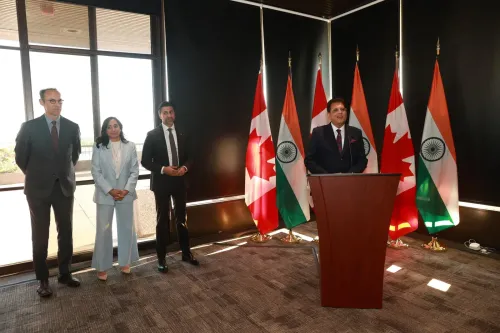
Minister Goyal held a series of bilateral meetings on the sidelines of the G20 ministerial, hosted by the United States in Milwaukee, as India sought to deepen commercial ties with key partners while engaging with broader questions facing the global trading system.
What Comes Next
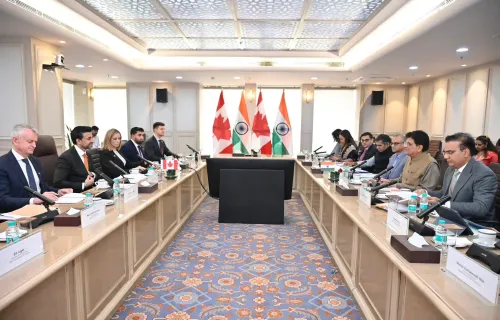
The fifth round of negotiations beginning 5 October will run concurrently with the Team Canada Trade Mission, creating parallel tracks of government-level talks and business-level engagement. Both sides are reportedly focused not merely on reaching an agreement but on securing one that delivers tangible benefits for workers and businesses in each country. The year-end deadline, if met, would mark one of the fastest bilateral trade deal conclusions in recent Indian trade diplomacy.
Point of View
And the pivot to a year-end deal deadline is striking in its ambition. The $70-billion-by-2030 target requires sustained political will on both sides — and India has a track record of protracted trade negotiations, including years of inconclusive talks with the EU. The real signal here is less the negotiating round and more the 300-delegate trade mission: Canadian business is not waiting for diplomacy to fully normalise before moving in. Whether the government-to-government track can keep pace with private-sector appetite will define how much of the $70 billion target translates from aspiration to actual flows.
NationPress
3 Oct 2026
Frequently Asked Questions
When do India-Canada trade talks resume?
India and Canada will begin the next round of trade negotiations on 5 October 2026. This follows the fourth round held in Mumbai and a bilateral meeting between the two trade ministers at the G20 ministerial in Milwaukee.
What is the India-Canada bilateral trade target?
Both governments have set a shared target of $70 billion in two-way trade by 2030. Current bilateral trade stands at more than $30 billion, meaning the target requires more than doubling the trade relationship within five years.
What is the Team Canada Trade Mission to India?
Canadian Trade Minister Maninder Sidhu is leading a Team Canada Trade Mission to India in October 2026, bringing nearly 300 Canadian delegates from businesses across sectors including critical minerals, energy, agriculture, and technology. The mission is designed to help Canadian companies find partners and customers in India.
Why had India-Canada trade talks stalled previously?
India and Canada went through a period of significant diplomatic strain that disrupted high-level contacts and paused trade negotiations. The current resumption of talks represents a deliberate bilateral reset, with commerce being moved back to the centre of the relationship.
What sectors are Canada targeting in the India trade deal?
Canada has identified critical minerals, energy, agriculture, and technology as priority sectors where Canadian companies are seeking partnerships and growth opportunities in India. A concluded agreement would aim to provide businesses in both countries greater market access.