India-China border dispute still principal obstacle despite Modi-Xi BRICS meet
Synopsis
Despite Xi Jinping's visit to New Delhi for the BRICS Summit and a face-to-face with Modi, a new analysis warns that India-China ties are still below pre-2020 levels — with the border dispute, Pakistan ties, and trade imbalance all unresolved. High-level dialogue is managing the relationship, not transforming it.
Key Takeaways
The unresolved border dispute remains the principal obstacle in India-China relations, which are still below their pre-2020 status quo , according to a Diplomat report.
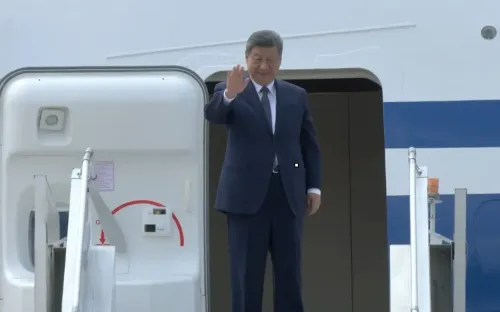
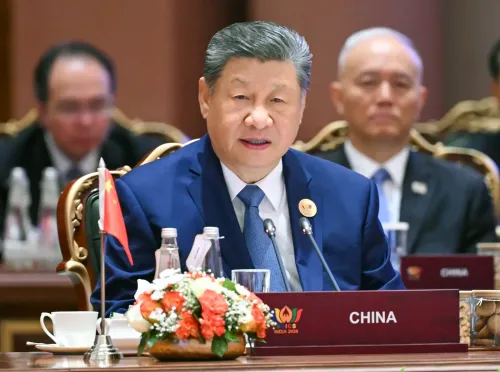
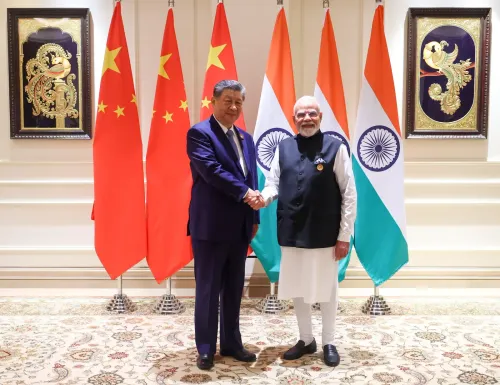
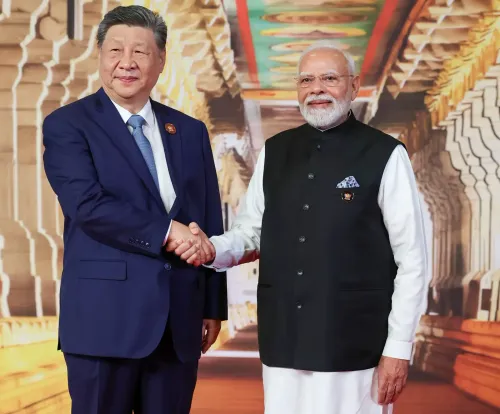
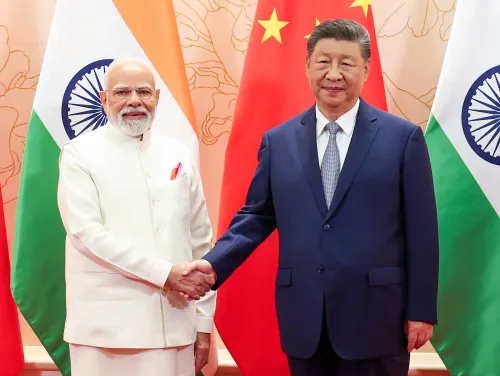
Xi Jinping's visit to New Delhi for the BRICS Summit and his bilateral with PM Modi on 12 September should not be mistaken for a strategic reset, the report cautions.
China's refusal to recognise the Union Territory of Ladakh underlines the depth of the territorial disagreement.
Beyond the border, China's ties with Pakistan and a persistent trade imbalance remain additional sources of bilateral friction.
India is unlikely to return to its earlier position on the One China policy without a reciprocal 'One India' assurance from Beijing , which appears unlikely in the near term.
Both leaders reaffirmed at the BRICS sideline meeting that 'differences should not become disputes' and endorsed a strategic, long-term perspective on ties.
The unresolved border dispute between India and China remains a central security concern and the single biggest obstacle in bilateral relations, which are still short of their pre-2020 status quo — notwithstanding Chinese President Xi Jinping's visit to New Delhi last month for the BRICS Summit, according to an analysis published in The Diplomat. The report cautions that the high-level diplomatic engagement should not be mistaken for a fundamental realignment of interests.
Why the Relationship Has Not Reset
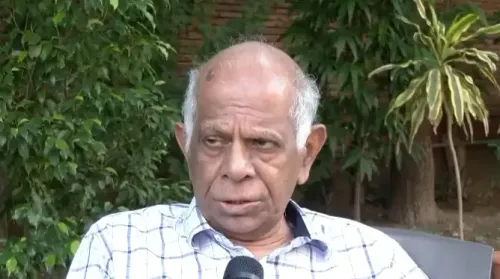
The report, authored by Sana Hashmi, a fellow at the Taiwan-Asia Exchange Foundation, argues that while the resumption of high-level dialogue is a meaningful development, it does not signal a strategic shift. 'The resumption of high-level dialogue, leadership meetings, and direct connectivity are important developments... But this does not require India to reconsider its position on the underlying differences,' Hashmi wrote.
She noted that India never ceased communication with China after the 2020 Galwan clashes, and the recent leadership meetings are a continuation of that approach — not evidence of a transformed relationship. 'The latest meetings continue that policy; they do not demonstrate that the relationship or India's approach to it has fundamentally changed,' she added.
Galwan's Lasting Shadow
The Galwan Valley clashes of June 2020 fundamentally altered India's threat perception of China and raised serious doubts about the durability of existing arrangements to maintain peace along the Line of Actual Control (LAC). According to the report, preventing a recurrence of such violence remains a priority for both sides. However, the analysis warns that managing tensions through high-level meetings cannot substitute for tangible progress on the ground.
Notably, China's recent statement that it does not recognise the Union Territory of Ladakh underlines the depth of the territorial disagreement, the report pointed out. 'There is little basis for expecting a reset while the two sides remain so far apart on territorial issues,' it stated.
Multiple Sources of Friction
Beyond the border, the report identifies China's relationship with Pakistan and a persistent trade imbalance as additional sources of friction between the two countries. It found little evidence of meaningful progress on any of these structural differences.
The report also flagged India's evolving position on the One China policy, suggesting that New Delhi is unlikely to return to its earlier stance without some reciprocal assurance from Beijing on a corresponding 'One India' position — an assurance that, according to Hashmi, appears unlikely in the foreseeable future.
The US Factor
The analysis acknowledged that India has been motivated to stabilise ties with China in part due to US President Donald Trump's increasingly hostile trade and foreign policies toward India and much of Asia. This geopolitical context has given fresh momentum to the engagement, though the report stresses that external pressure does not resolve the bilateral differences themselves.
What Modi and Xi Actually Said
During their bilateral meeting on the sidelines of the BRICS Summit in New Delhi on 12 September, Prime Minister Narendra Modi reiterated that India and China should be guided by 'three mutuals' — mutual respect, mutual sensitivity, and mutual interest. Both leaders emphasised that 'differences should not become disputes.'
A statement issued by the Ministry of External Affairs (MEA) after the meeting noted that the two leaders 'welcomed the steady progress in India-China bilateral relations since their last meeting in Tianjin in August 2025' and 'reaffirmed that both countries should take a strategic and long-term perspective of their ties.'
Hashmi's conclusion, however, is sobering: 'For now, both sides are trying to prevent another crisis while their core disagreements remain unresolved. Until those differences are addressed, dialogue may keep the relationship from deteriorating further, but it will not put China-India ties on the path to a reset.'
Point of View
But the structural drivers of India-China friction have not moved. China's refusal to recognise Ladakh, its deepening Pakistan axis, and a trade imbalance running heavily in Beijing's favour are not resolved by a handshake in New Delhi. What the engagement does — and this matters — is reduce the risk of miscalculation along the LAC. But managing a relationship is not the same as repairing it, and conflating the two serves neither analytical clarity nor long-term Indian interests. The real test will come not in summit communiqués but in what happens at the boundary the next time patrols are close.
NationPress
19 Oct 2026
Frequently Asked Questions
What is the current state of India-China relations in 2026?
India-China relations remain below their pre-2020 status quo, with the unresolved border dispute still the principal obstacle, according to an analysis in The Diplomat. Despite high-level meetings — including PM Modi and President Xi Jinping at the BRICS Summit in New Delhi in September 2026 — core territorial and strategic differences remain unresolved.
Why is the Modi-Xi BRICS meeting not considered a reset?
Analysts caution that the meeting continues India's longstanding policy of keeping communication channels open, rather than marking a fundamental change in the relationship. The underlying disputes — over the LAC, Ladakh's status, China's ties with Pakistan, and the trade imbalance — have not been addressed.
What did PM Modi and Xi Jinping agree on at their BRICS sideline meeting?
On 12 September 2026, both leaders agreed that 'differences should not become disputes' and reaffirmed a strategic, long-term perspective on bilateral ties. PM Modi emphasised the 'three mutuals' — mutual respect, mutual sensitivity, and mutual interest — as the guiding principles for the relationship.
Why has India been engaging more with China recently?
India's renewed engagement with China has been partly driven by US President Donald Trump's hostile trade and foreign policies toward India and much of Asia. This external pressure has created incentive to stabilise the relationship, though it does not resolve the bilateral differences themselves.
What are the main obstacles to a full India-China normalisation?
The primary obstacles include the unresolved territorial dispute along the Line of Actual Control (LAC), China's refusal to recognise the Union Territory of Ladakh, Beijing's close relationship with Pakistan, and a persistent trade imbalance favouring China. India is also unlikely to revert to its previous One China policy position without a reciprocal commitment from Beijing on a 'One India' stance.