India adopted 'cautious approach' at Modi-Trump G7 meet over unpredictable behaviour
Synopsis
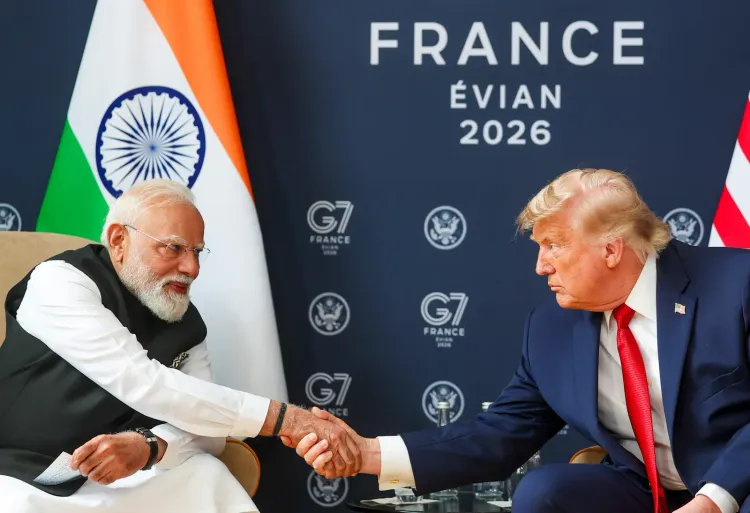
India's government has broken its silence on why New Delhi avoided a joint media appearance after the Modi-Trump G7 bilateral in Evian — and the answer is blunt: Trump's 'unpredictable behaviour'. Officials say it was standard practice, not a special request, pointing to Trump's contentious interactions with South Africa and Ukraine as the benchmark for caution.
Key Takeaways
Senior government officials on 24 August confirmed India adopted a 'cautious approach' at the Modi-Trump G7 bilateral in Evian, France in June 2025 .
The move was in response to US Ambassador Sergio Gor's claim that India had 'specifically requested' no joint media interaction after the meeting.
Officials cited Trump's 'unpredictable behaviour' — referencing his interactions with the presidents of South Africa and Ukraine — as justification.
The 18 June meeting covered progress under the India-US COMPACT framework, spanning defence, technology, energy, and trade.
Both leaders instructed officials to finalise an interim Bilateral Trade Agreement that is balanced and commercially meaningful.
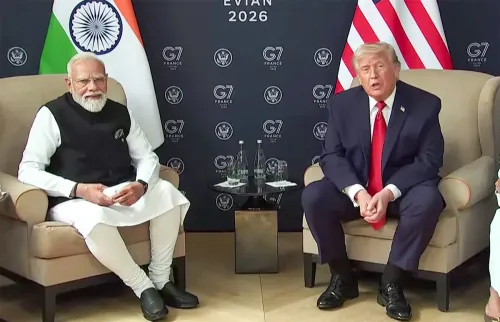
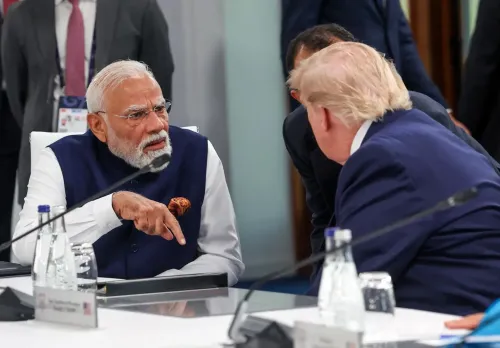
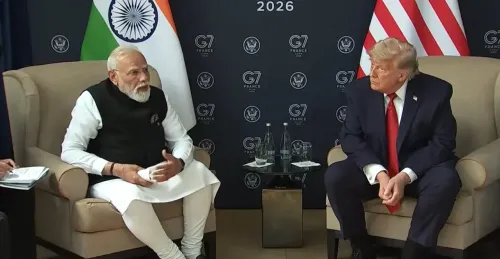
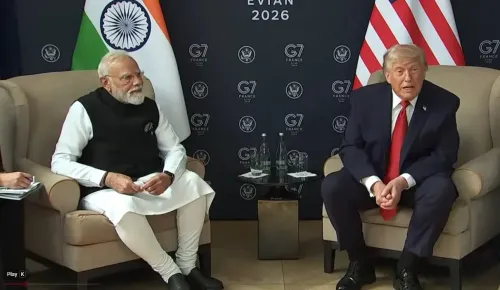
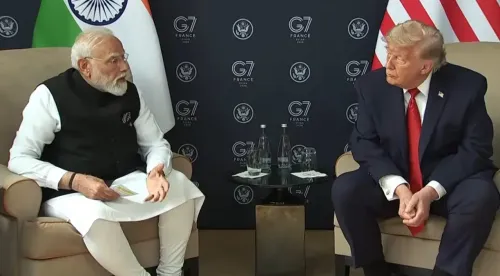
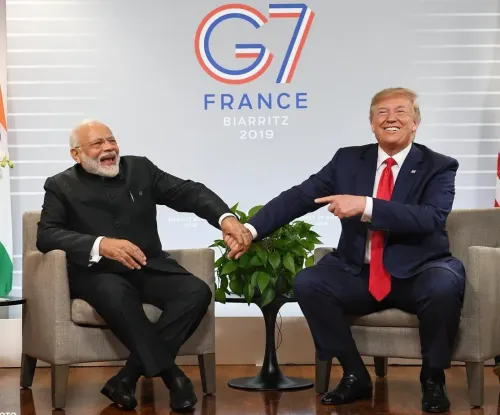
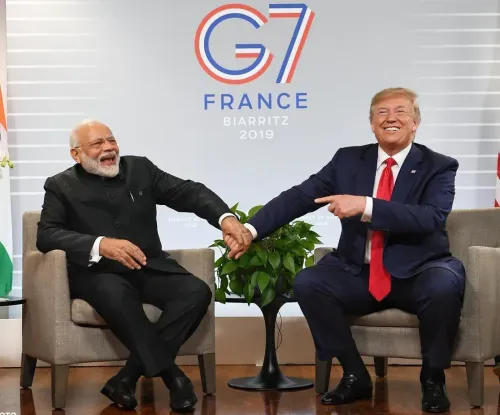
Senior government officials on Monday, 24 August confirmed that India adopted a deliberate 'cautious approach' during Prime Minister Narendra Modi's bilateral meeting with US President Donald Trump on the sidelines of the G7 Summit in Evian, France in June 2025, citing Trump's well-documented 'unpredictable behaviour'. The disclosure came in direct response to remarks by US Ambassador Sergio Gor, who had claimed at a weekend event that India had 'specifically requested' the US side to avoid any joint media interaction after the two leaders met.
India's Official Position
Officials aware of the matter pushed back on the framing, emphasising that discussions around public appearance arrangements are standard practice before any high-level diplomatic visit. 'In this regard, the Indian side communicated its standard practice for such visits... Delegations when meeting the US President are wary about his unpredictable behaviour, as may be seen from his interactions with the President of South Africa, Ukraine etc. Thus, the cautious approach by India,' one official said.
The clarification signals that New Delhi views its preference for controlled media settings not as a concession or special request, but as a routine diplomatic safeguard — one that other countries have also exercised when engaging with the current US administration.
What Happened at the June 18 Evian Meeting
The Modi-Trump bilateral took place on 18 June 2025 in Evian. During the meeting, Prime Minister Modi commended President Trump for efforts that had contributed to an understanding aimed at ending the conflict in West Asia and restoring regional stability. Modi also underlined the importance of maintaining freedom of navigation and unimpeded commerce through the Strait of Hormuz, and stressed the need to ensure the safety of seafarers.
A statement issued by the Prime Minister's Office (PMO) after the meeting noted that the two leaders reviewed substantial progress under the India-US COMPACT — Catalyzing Opportunities for Military Partnership, Accelerated Commerce and Technology — since their Washington DC meeting in February 2025. Key developments across defence, strategic technologies, energy, and bilateral trade were welcomed by both sides.
Trade Agreement Talks and Strategic Partnership
The PMO statement also noted that the two leaders expressed particular satisfaction over progress in negotiations toward an interim Bilateral Trade Agreement, instructing officials to work toward a 'balanced, mutually beneficial, and commercially meaningful agreement' at the earliest. Both leaders reaffirmed their commitment to deepening the India-US Comprehensive Global Strategic Partnership across all domains.
The Broader Context
Trump's interactions with foreign leaders have repeatedly generated diplomatic friction — his meetings with the presidents of South Africa and Ukraine were cited by the Indian official as illustrative of the unpredictability that prompted New Delhi's careful approach. This is not the first time India has calibrated its diplomatic choreography around the current US administration's communication style. Notably, the Modi government has consistently sought to project the India-US relationship as a strategic priority while simultaneously managing the optics of each bilateral encounter with considerable care.
As trade negotiations advance and the COMPACT framework matures, the management of public diplomacy between the two nations is likely to remain as consequential as the substance of the talks themselves.
Point of View
Even if without attribution, suggests the Gor remarks stung and required a firm correction of the narrative. The deeper issue is structural: India is simultaneously deepening its strategic and trade ties with Washington while managing the reputational risk of being seen as subordinate in a bilateral that Trump often frames on his own terms. The COMPACT framework and trade agreement talks give India real leverage, but only if the optics of each summit encounter do not undercut that position at home.
NationPress
8 Oct 2026
Frequently Asked Questions
Why did India adopt a 'cautious approach' at the Modi-Trump G7 meeting?
Indian officials cited US President Donald Trump's 'unpredictable behaviour' as the reason, pointing to his contentious interactions with the presidents of South Africa and Ukraine. They stressed that managing public appearance arrangements before any VVIP meeting is standard diplomatic practice, not a special concession.
What did US Ambassador Sergio Gor say that prompted India's clarification?
Ambassador Sergio Gor stated at a weekend event that India had 'specifically requested' the US side to avoid any joint media interaction after the Modi-Trump bilateral in Evian. Indian officials disputed this framing, calling it standard practice for such high-level visits.
What was discussed at the Modi-Trump meeting in Evian on 18 June 2025?
The two leaders reviewed progress under the India-US COMPACT framework covering defence, strategic technologies, energy, and bilateral trade. They also discussed West Asia peace efforts, freedom of navigation in the Strait of Hormuz, and advancing negotiations toward an interim Bilateral Trade Agreement.
What is the India-US COMPACT framework?
COMPACT stands for Catalyzing Opportunities for Military Partnership, Accelerated Commerce and Technology. It is a bilateral framework launched to deepen India-US cooperation across defence, technology, energy, and trade, with progress reviewed at the Modi-Trump Washington DC meeting in February 2025 and again in Evian in June 2025.
Where does the interim India-US Bilateral Trade Agreement stand?
As of the Evian meeting on 18 June 2025, both leaders expressed satisfaction at progress in negotiations and instructed their officials to work toward a 'balanced, mutually beneficial, and commercially meaningful' agreement at the earliest. No signing date has been announced.