Teesta River project: India says it will weigh all developments in its approach
Synopsis
India's MEA has responded to Bangladesh PM Tarique Rahman's China visit — where the Teesta River project reportedly featured in talks — with careful diplomatic language, saying New Delhi will 'factor all related developments' in its approach. The understated phrasing masks a sharper strategic reality: Bangladesh is visibly pivoting toward Beijing, and India's leverage on the Teesta is being tested in real time.
Key Takeaways
MEA spokesperson Randhir Jaiswal on 3 July said India will factor all related developments in its approach to the Teesta River project .
Bangladesh PM Tarique Rahman visited China from 22 June , meeting President Xi Jinping and Premier Li Qiang ; the Teesta project was reportedly discussed.
The visit resulted in the signing of 13 MoUs and 2 agreements between Bangladesh and China .
India and Bangladesh share 54 rivers ; structured bilateral mechanisms exist for water-related discussions.
Bangladesh's diplomatic pivot toward China , Turkey , and Pakistan has accelerated since the fall of the Sheikh Hasina -led government.
India on Friday, 3 July stated that its position on the Teesta River project has already been conveyed to Dhaka and that New Delhi will factor all related developments into its overall approach to the issue. The remarks came amid growing attention on Bangladesh's deepening engagement with China, including discussions on the Teesta project during Bangladesh Prime Minister Tarique Rahman's recent four-day official visit to Beijing.
What India Said
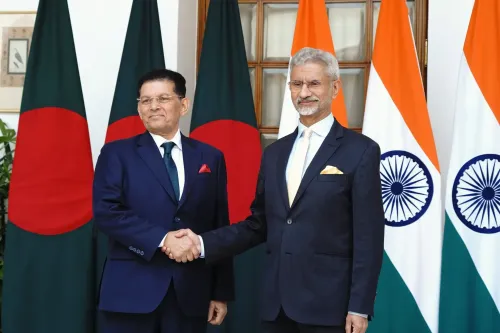
Ministry of External Affairs (MEA) spokesperson Randhir Jaiswal, addressing the weekly media briefing in New Delhi, said India's development assistance to Bangladesh rests on a mutually agreed roadmap that is reviewed regularly. 'India's development assistance for projects in Bangladesh is based on a mutually agreed roadmap, which is regularly reviewed. Our views on the Teesta River project have been previously conveyed to the Bangladeshi side. We will factor all related developments in our overall approach to the Teesta issue,' Jaiswal stated.
On the broader question of Bangladesh's growing ties with Beijing, he said, 'We closely follow all such developments in our neighbourhood and take appropriate measures as required.' The measured tone signals that New Delhi is watching the Dhaka-Beijing axis carefully without publicly escalating.
Rahman's China Visit and the Teesta Dimension
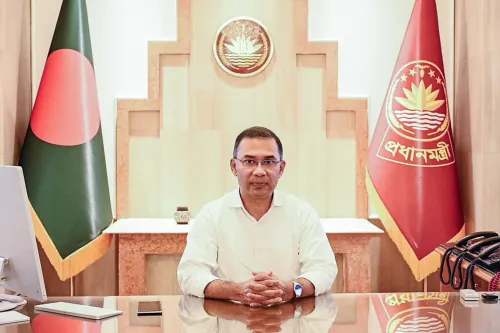
Prime Minister Tarique Rahman arrived in Dalian, China on the night of 22 June, following a two-day official visit to Malaysia — the first leg of his maiden overseas tour since assuming office. In Beijing, he held bilateral talks with Chinese President Xi Jinping at the Great Hall of the People, and separately met Chinese Premier Li Qiang.
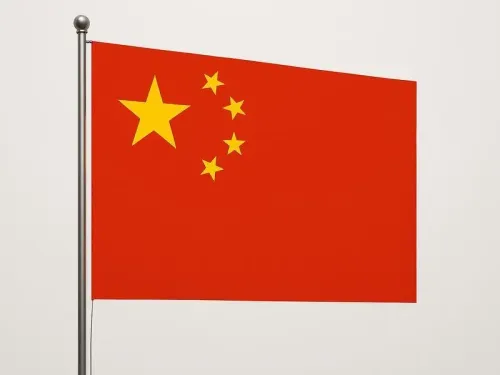
During the engagements, the two sides reportedly discussed the Teesta River project, trade, and investment. The visit also witnessed the signing of 13 Memoranda of Understanding (MoUs) and two agreements. The Bangladesh Nationalist Party (BNP) posted on X: 'The two leaders engaged in fruitful discussions on issues of mutual interest, strengthening economic cooperation, and deepening future partnership between Bangladesh and China.' A second post added: 'The two Prime Ministers later led a high-level bilateral meeting, culminating in the signing of two agreements and thirteen Memoranda of Understanding (MoUs), marking a significant step forward in Bangladesh-China cooperation and partnership.'
Rahman's China trip was notably focused on economic and defence cooperation, with a proposed fighter jet deal reportedly at its core — signalling what analysts describe as a strategic tilt toward Beijing.
Background: India-Bangladesh Water Ties and Earlier MEA Remarks
The Teesta issue has long been a sensitive bilateral matter. India and Bangladesh share 54 rivers, and structured bilateral mechanisms exist to address water-related disputes. When Bangladesh Foreign Minister Khalilur Rahman visited China in May at the invitation of Chinese Foreign Minister Wang Yi — a member of the Political Bureau of the Communist Party of China Central Committee — and held discussions that reportedly touched on the Teesta project, the MEA had then said, 'India and Bangladesh share 54 rivers. We have structured bilateral mechanisms to discuss all water-related issues. At these bilateral mechanisms, they continue to meet at regular intervals.'
The consistency of New Delhi's language across both episodes suggests a deliberate posture: acknowledging the developments without conceding ground or signalling alarm.
Shifting Alignments in Dhaka
The recent diplomatic activity comes against the backdrop of a significant shift in Bangladesh's foreign policy orientation following the fall of the Sheikh Hasina-led Awami League government. Dhaka has visibly pivoted toward countries including China, Turkey, and Pakistan — a realignment that has placed India's traditionally close ties with Bangladesh under renewed scrutiny.
How New Delhi navigates the Teesta question — balancing domestic political constraints around water-sharing with the imperative of retaining strategic influence in Dhaka — will be a key test of Indian diplomacy in the months ahead.
Point of View
'mutually agreed roadmap' — across two consecutive Teesta-related episodes reveals a calculated holding pattern, not a policy. The real pressure is structural: with Bangladesh signing 13 MoUs with China and floating a fighter jet deal, New Delhi's traditional leverage in Dhaka is eroding faster than its public statements acknowledge. The Teesta issue is no longer just a water dispute — it is a proxy for India's ability to retain strategic primacy in its most proximate neighbourhood. A passive watch-and-respond posture may not be adequate if Dhaka's China tilt deepens further.
NationPress
2 Oct 2026
Frequently Asked Questions
What is India's current position on the Teesta River project with Bangladesh?
India has conveyed its views on the Teesta River project to Bangladesh and says it will factor all related developments into its overall approach. MEA spokesperson Randhir Jaiswal reiterated on 3 July that India's development assistance to Bangladesh is based on a mutually agreed, regularly reviewed roadmap.
What did Bangladesh PM Tarique Rahman discuss with China regarding the Teesta project?
During Rahman's four-day official visit to China in late June, he and Chinese Premier Li Qiang reportedly discussed the Teesta River project along with trade and investment. The visit also resulted in the signing of 13 MoUs and 2 bilateral agreements.
Why is the Teesta River project a sensitive issue between India and Bangladesh?
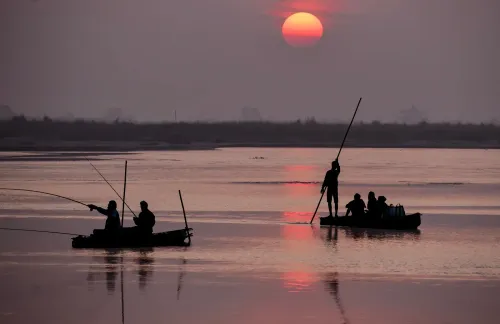
The Teesta River is a shared waterway critical to agriculture in both West Bengal and northern Bangladesh. A long-pending water-sharing treaty has stalled for years due to domestic political constraints in India, making it a recurring flashpoint in bilateral relations.
How has Bangladesh's foreign policy shifted since the fall of the Sheikh Hasina government?
Since the Awami League government's fall, Bangladesh has visibly deepened engagement with China, Turkey, and Pakistan — a marked departure from the India-friendly alignment under Sheikh Hasina. Rahman's China visit, which included a proposed fighter jet deal, underscores this strategic reorientation.
What did India say about Bangladesh's broader engagement with China?
MEA spokesperson Randhir Jaiswal said India 'closely follows all such developments in our neighbourhood and takes appropriate measures as required,' signalling vigilance without publicly escalating the matter.