India-Lesotho 6th JBCC: Bilateral ties, MoUs, and solar alliance push
Synopsis
India and Lesotho wrapped up their 6th JBCC session in New Delhi with a push to formalise pending MoUs and India's renewed call for Lesotho to join the International Solar Alliance and CDRI — signalling that India's Africa strategy is increasingly channelled through multilateral platforms it leads.
Key Takeaways
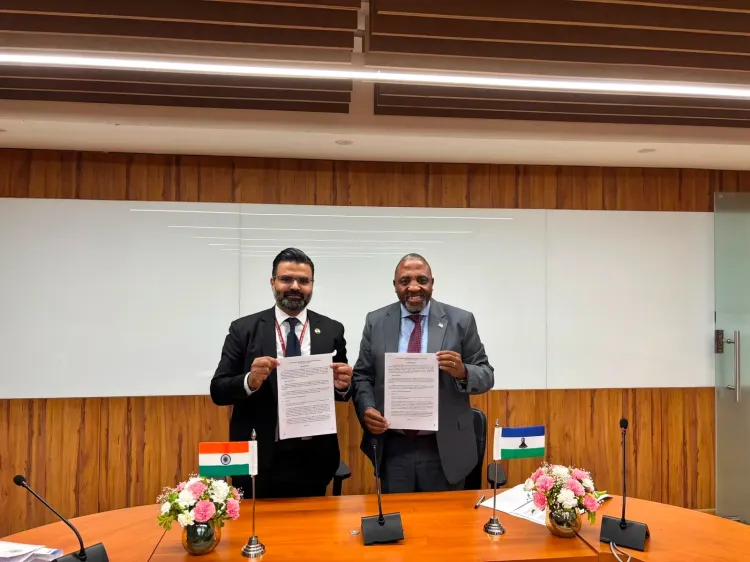
The 6th India-Lesotho JBCC was held on 30 July 2026 in New Delhi , co-chaired by Janesh Kain (MEA) and Thabang Lekhela (Lesotho MFA).
Both sides reviewed cooperation across development, capacity building, HADR , and UN multilateral forums .
Several MoUs were advanced and agreed to be signed at the earliest opportunity.
India invited Lesotho to join the International Solar Alliance (ISA) and the Coalition for Disaster Resilient Infrastructure (CDRI) .
The JBCC was established in March 2004 ; its first session was held in March 2009 .
The 7th Session will be held in Maseru, Lesotho , on dates to be mutually agreed.
India and the southern African nation of Lesotho convened the 6th Session of the Joint Bilateral Commission for Cooperation (JBCC) on 30 July 2026 in New Delhi, conducting a comprehensive review of bilateral relations spanning development cooperation, capacity building, Humanitarian Assistance and Disaster Relief (HADR), and coordination at the United Nations (UN) and other multilateral forums. The Ministry of External Affairs (MEA) confirmed the outcome of the meeting on Friday.
Key Developments from the 6th JBCC Session
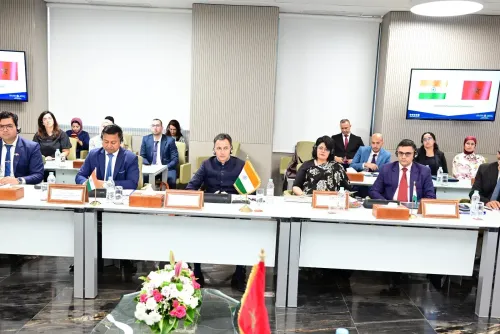
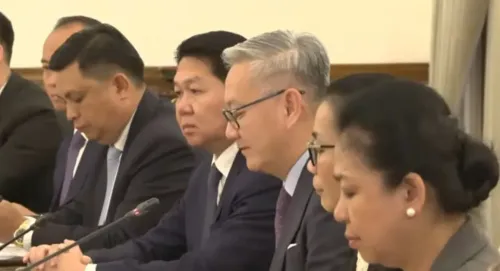
The session was co-chaired by Janesh Kain, Joint Secretary (East and Southern Africa) at the MEA, and Thabang Lekhela, Principal Secretary at Lesotho's Ministry of Foreign Affairs and International Relations. Senior officials from both governments attended, including representatives from Lesotho's ministries of Trade, Business Development, Education and Training, Agriculture, Food Security and Nutrition, and Tourism, Sports, Arts and Culture, as well as the Lesotho–New Delhi Diplomatic Mission.
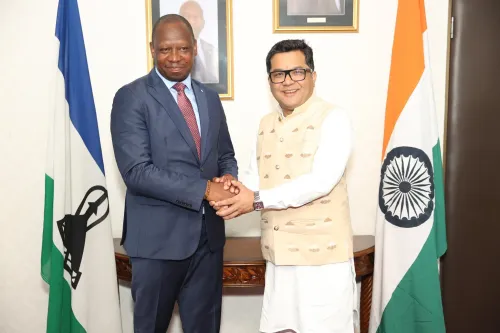
Both sides reaffirmed their longstanding friendship during the opening session, according to a statement issued by Lesotho's Ministry of Foreign Affairs and International Relations. The JBCC was described as 'the principal institutional mechanism for reviewing bilateral relations, advancing cooperation across key sectors, and identifying new opportunities for mutually beneficial partnership between the two sister countries.'
MoUs Advanced, South-South Cooperation Reaffirmed
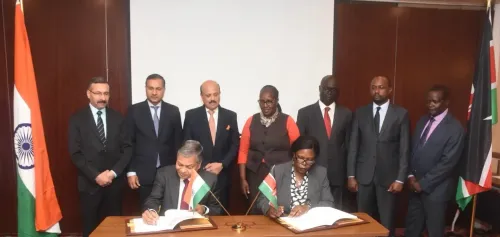
The 6th Session advanced several proposed Memoranda of Understanding (MoUs), with both sides agreeing to formalise and sign them 'at the earliest opportunity,' according to the MEA statement. The meeting concluded with a renewed commitment to sustainable development through South–South cooperation and strengthened collaboration in regional and multilateral forums.
Notably, India reiterated its invitation for Lesotho to join two key multilateral platforms: the International Solar Alliance (ISA) and the Coalition for Disaster Resilient Infrastructure (CDRI). Both are Indian-led initiatives focused on renewable energy adoption and infrastructure resilience, respectively, and carry strategic significance for India's expanding influence across the African continent.
Institutional Background
The JBCC was established under a bilateral agreement signed in March 2004, with its inaugural session held in New Delhi in March 2009. Since then, sessions have alternated between Maseru, the capital of Lesotho, and New Delhi. This rotating format reflects the parity principle built into the commission's structure.
This is the 6th such meeting in over 17 years — a pace that critics of India's Africa diplomacy have occasionally flagged as infrequent relative to the depth of engagement India pursues with other regions. However, the JBCC format has historically served as a platform to consolidate progress between high-level diplomatic visits.
What Comes Next
Both delegations agreed that the 7th Session of the Lesotho–India JBCC will be held in Maseru, Kingdom of Lesotho, on dates to be mutually decided. The signing of the pending MoUs and Lesotho's potential accession to the ISA and CDRI will be among the key deliverables to watch ahead of the next session.
Point of View
Packaging development cooperation inside frameworks it controls. Whether Lesotho acts on the ISA invitation will be a practical test of how far India's renewable energy diplomacy on the continent has actually landed. The pending MoUs, unspecified in scope, are the real substance to watch once signed.
NationPress
15 Sept 2026
Frequently Asked Questions
What is the India-Lesotho Joint Bilateral Commission for Cooperation (JBCC)?
The JBCC is the principal institutional mechanism governing bilateral relations between India and Lesotho, established under an agreement signed in March 2004. Its first session was held in New Delhi in March 2009, and sessions alternate between New Delhi and Maseru.
What was decided at the 6th JBCC session on 30 July 2026?
The 6th session reviewed the full spectrum of bilateral ties including development cooperation, capacity building, HADR, and UN-level coordination. Several MoUs were advanced and agreed to be signed at the earliest opportunity, and India reiterated its invitation for Lesotho to join the International Solar Alliance and the CDRI.
What is the International Solar Alliance and why is India inviting Lesotho to join?
The International Solar Alliance (ISA) is an Indian-led multilateral initiative aimed at promoting solar energy adoption globally. India's invitation to Lesotho reflects its broader strategy of deepening Africa engagement through platforms it co-leads, combining development cooperation with renewable energy diplomacy.
When will the next India-Lesotho JBCC session be held?
The 7th Session of the Lesotho–India JBCC is agreed to be convened in Maseru, Kingdom of Lesotho, on dates to be mutually decided by both governments.
Who represented India and Lesotho at the 6th JBCC?
India was represented by Janesh Kain, Joint Secretary (East and Southern Africa) at the MEA. Lesotho was represented by Thabang Lekhela, Principal Secretary at the Ministry of Foreign Affairs and International Relations, along with senior officials from multiple ministries and the Lesotho–New Delhi Diplomatic Mission.