India-Nepal connectivity push adds rail, air and power links
Synopsis
India and Nepal flagged off the Ayodhya-Janakpur Sarayu-Kamala Express and agreed to make the Kathmandu-Bhairahawa-Lucknow air route bidirectional. Their wider package includes port access, petroleum infrastructure and a 669 MW hydropower project.
Key Takeaways
Narendra Modi and Balendra Shah announced India-Nepal connectivity and energy initiatives on 23 November .
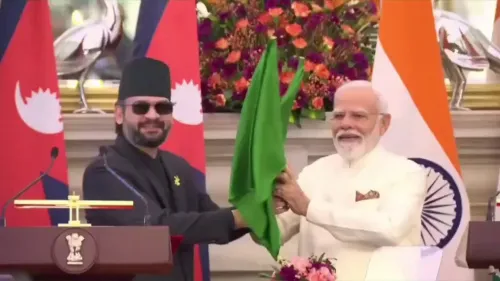
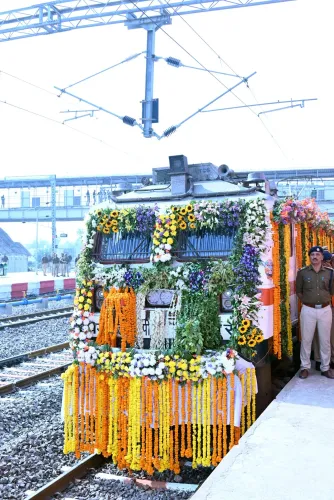
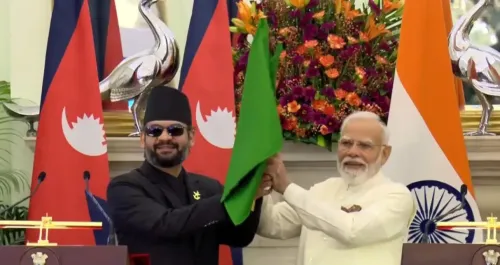
The leaders flagged off the inaugural Sarayu-Kamala Express between Ayodhya and Janakpur .
The B345 Kathmandu-Bhairahawa-Lucknow air route will be made bidirectional, subject to technical consultations on the modalities.
Nepal will gain a transit trade avenue through Deendayal Port ; access to Paradip port depends on requisite infrastructure.
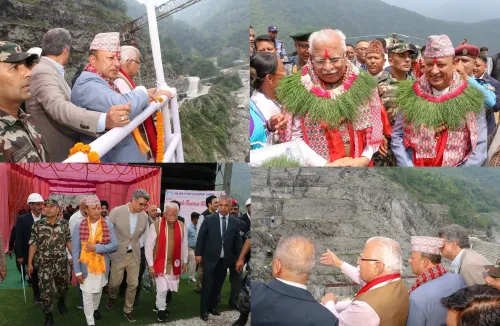
The leaders virtually laid the foundation stone for the 669 MW Lower Arun Hydro-Electric Project .
India agreed to set up an offshore IIT campus in Nepal .
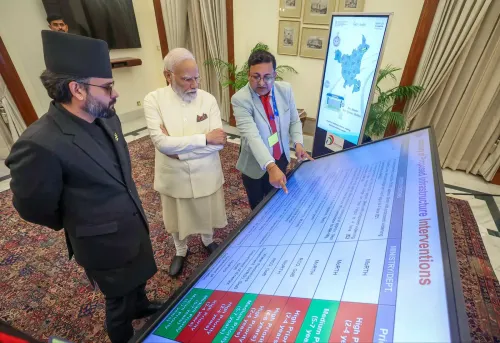
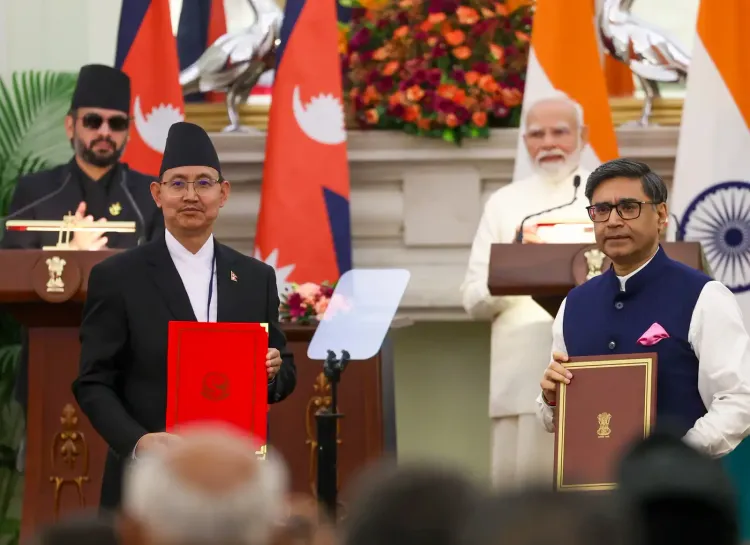
India-Nepal connectivity is set for an expansion after Prime Minister Narendra Modi and Nepal Prime Minister Balendra Shah announced rail, aviation, port and energy initiatives on 23 November. The measures include the inaugural Sarayu-Kamala Express between Ayodhya and Janakpur and a plan to make an existing air route bidirectional, according to a joint statement.
The leaders also laid the foundation stone virtually for the 669 MW Lower Arun Hydro-Electric Project and agreed to advance cooperation on power transmission and other infrastructure.
Air, rail and port connectivity
The existing one-way B345 Kathmandu-Bhairahawa-Lucknow air route will be made bidirectional, the two sides agreed. Technical consultations will determine how the change is implemented and address other civil aviation proposals under discussion.
Modi announced access to Deendayal Port at Kandla, Gujarat, as a new avenue for Nepal's transit trade. Access to Paradip port in Odisha will also be made available once the necessary infrastructure is in place.
The leaders flagged off the inaugural Sarayu-Kamala Express between Ayodhya and Janakpur. The service connects destinations on the Ramayana Circuit; the leaders also agreed to explore similar links for Buddhist and Shiv-Shakti religious tourism circuits.
The two sides announced the finalisation of the Field Location Survey for the proposed Raxaul-Kathmandu electrified broad-gauge railway and said they would collaborate on developing the East-West Railway in Nepal. They also emphasised new railway lines, bridges and Integrated Check Posts as part of broader border infrastructure improvements.
Bridge and petroleum infrastructure
Modi and Shah inaugurated a motorable bridge linking Dharchula in India with Darchula in Nepal. The bridge is intended to improve direct connectivity between western Nepal and India.
They also dedicated phase II of the Motihari-Amlekhgunj Pipeline to the people of Nepal and virtually laid the foundation stone for a petroleum terminal at Jhapa. Both leaders stressed the early start of work on the Siliguri-Jhapa petroleum pipeline and agreed to explore cooperation on gas pipelines.
Hydropower and transmission projects
The energy initiatives build on the India-Nepal Joint Vision Document for Power Sector Cooperation and the Long-Term Power Trade Agreement, according to the joint statement. Both sides welcomed the involvement of Indian companies in Nepal's hydropower sector and agreed to work towards the expeditious completion of their projects.
Beyond the Lower Arun foundation stone, the leaders directed the Pancheshwar Development Authority and the Joint Committee on Water Resources to finalise the detailed project report for the Pancheshwar Multipurpose Project expeditiously and begin implementation. They also agreed to accelerate work on reports for the Saptakoshi and Sunkoshi multipurpose projects, with water use and flood mitigation among the stated objectives.
The two sides noted progress on forming joint ventures for high-capacity cross-border transmission lines between Inaruwa and New Purnea, and between Dododhara and Bareilly. These proposals sit alongside the hydropower plans as part of the wider power cooperation agenda.
Education and next steps
The leaders agreed that India would set up an offshore IIT campus in Nepal, an initiative presented as supporting education and job creation. The statement did not specify a campus location or opening date.
Several announcements remain subject to further work: aviation changes require technical consultations, Paradip access depends on infrastructure, and major water projects need their detailed reports completed. Progress on those steps will determine how the agreements move from announcement to implementation.
Point of View
Fuel and electricity connections are interdependent, not isolated projects. The distinction between a service flagged off and a project still awaiting technical work matters: public scrutiny should follow each commitment through to delivery. Clear timelines and transparent progress reporting would help both countries measure whether the proposed links benefit the communities and businesses they are meant to serve.
NationPress
23 Nov 2026
Frequently Asked Questions
What connectivity initiatives did India and Nepal announce?
India and Nepal announced rail, aviation, port, bridge and energy initiatives, including the inaugural Ayodhya-Janakpur Sarayu-Kamala Express. They also agreed to make the existing B345 air route bidirectional.
What is the Sarayu-Kamala Express?
The Sarayu-Kamala Express is a rail service between Ayodhya in India and Janakpur in Nepal. Narendra Modi and Balendra Shah flagged off its inaugural service.
What changes were agreed for India-Nepal air connectivity?
The existing one-way B345 Kathmandu-Bhairahawa-Lucknow route will be made bidirectional. Technical consultations will finalise the modalities and address other aviation proposals.
Which India-Nepal hydropower project had its foundation stone laid?
The leaders virtually laid the foundation stone for the 669 MW Lower Arun Hydro-Electric Project. They also called for faster work on the Pancheshwar, Saptakoshi and Sunkoshi project reports.
When will Nepal gain access to Paradip port?
Access to Paradip port will be made available once the requisite infrastructure is in place. No date was specified in the announcement.