India diversifies Afghan connectivity beyond Chabahar amid US-Iran tensions
Synopsis
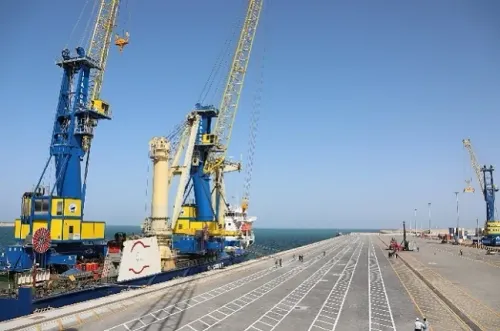
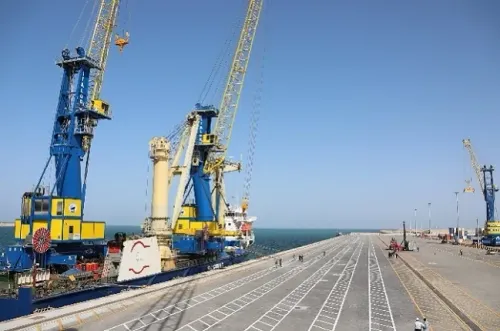
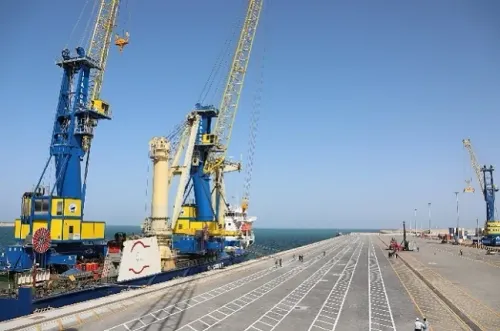
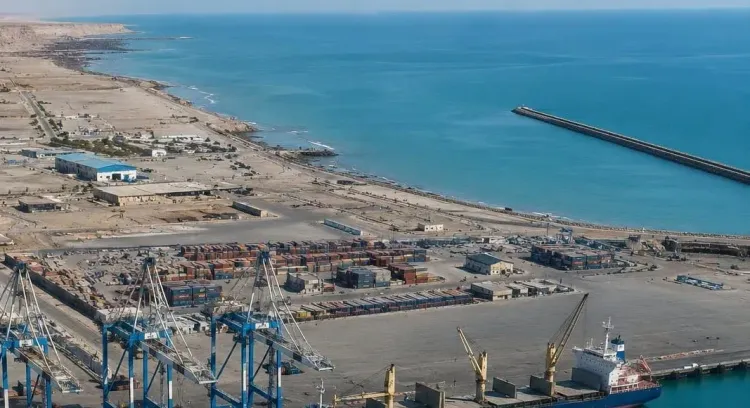
A US strike that damaged Chabahar Port's maritime traffic control tower has forced India to confront a strategic vulnerability it long deferred: over-reliance on a single transit corridor into Afghanistan and Central Asia. New Delhi prepaid USD 120 million to secure Chabahar before sanctions kicked in — yet the port's infrastructure was still hit. The lesson, as one report bluntly puts it, is not to abandon Chabahar but to stop depending on it alone.
Key Takeaways
India is exploring multiple trade corridors beyond Chabahar Port amid rising US-Iran tensions, according to a Strat News Global report.
New Delhi prepaid its entire USD 120 million Chabahar commitment before a US sanctions waiver expired on 26 April 2026 .
A US strike reportedly damaged the maritime traffic control tower at the Chabahar Free Zone , according to Iran's IRGC .
India is evaluating the International North-South Transport Corridor (INSTC) and routes through Uzbekistan , Turkmenistan , and Kazakhstan as complementary options.
Afghanistan's Agriculture Minister Mawlawi Ataullah Omari visited India to seek partnerships in farm machinery, seeds, and food processing, noting that 80% of Afghans depend on agriculture.
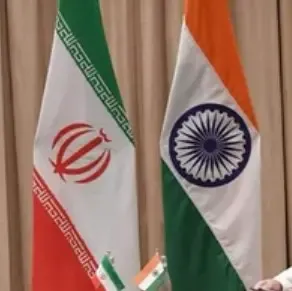
India is actively reassessing its connectivity strategy with Afghanistan, exploring multiple trade and transport corridors beyond Iran's Chabahar Port, as escalating geopolitical uncertainties expose the dangers of relying on a single regional gateway, according to a report by Strat News Global. The reassessment comes as New Delhi prepaid its entire USD 120 million financial commitment to Chabahar before a conditional US sanctions waiver expired on 26 April 2026.
Why Chabahar Remains Central — But Vulnerable
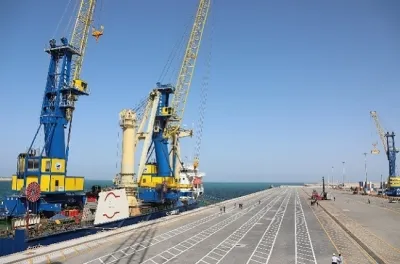
For nearly two decades, Chabahar Port has anchored India's West Asia policy. With Pakistan denying reliable overland transit access, New Delhi invested in the Iranian port and supported construction of Afghanistan's Zaranj-Delaram Highway, establishing a corridor linking India with Afghanistan and, eventually, Central Asia.
However, recent events have starkly illustrated the risks of single-corridor dependence. Following renewed US-Iran tensions after US President Donald Trump declared the interim ceasefire with Tehran effectively over, American strikes reportedly targeted several locations in Iran, including Chabahar. The maritime traffic control tower at the Chabahar Free Zone was damaged in a US strike, according to Iran's Islamic Revolutionary Guard Corps (IRGC), citing the zone's chief executive Mohammad-Saeid Arbabi. At the 137th session of the Council of the International Maritime Organisation (IMO) in London, an Iranian representative said the targets of the US strikes also included civilian fishing vessels and navigation safety equipment.
The Strat News Global report drew a pointed conclusion: 'The lesson is not that India should move beyond Chabahar. It is that India should move beyond dependence on Chabahar.'
Alternative Corridors Under Consideration
India is now evaluating complementary connectivity options rather than outright alternatives. Chief among them is the International North-South Transport Corridor (INSTC), which links India with Iran, the Caspian region, Russia, and Europe through integrated sea, rail, and road networks.
The report also highlighted the potential of routes through Uzbekistan, Turkmenistan, and Kazakhstan to improve Afghanistan's access to Eurasian markets while reducing dependence on any single corridor. These options face significant challenges — infrastructure gaps, customs bottlenecks, sanctions-related complications, and political uncertainty — but could collectively provide the redundancy that modern supply chains increasingly demand.
India-Afghanistan Ties Expand to Agriculture
Beyond logistics, the report noted that India-Afghanistan ties are evolving into a broader development partnership. With Afghanistan facing limited international recognition and constrained foreign investment, Kabul is increasingly looking to New Delhi as a long-term partner.
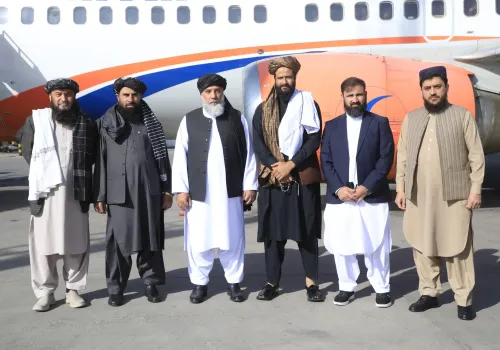
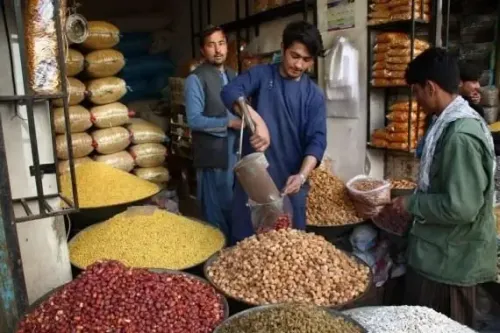
Agriculture has emerged as a priority sector. During a recent visit to India with a business delegation, Afghanistan's Minister of Agriculture, Irrigation and Livestock, Mawlawi Ataullah Omari, underscored the urgency of modernising the country's farming sector. 'Eighty per cent of our people are involved in agriculture and livestock. It is now the time to modernise them,' Omari said. He identified priorities including farm machinery, certified seeds, harvesting technology, crop protection, cold storage, packaging, and food processing.
Strategic Implications for India
India's prepayment of USD 120 million ahead of the sanctions waiver deadline signals that New Delhi has no intention of abandoning Chabahar. Yet the damage to the port's maritime traffic control infrastructure underscores that strategic intent alone cannot insulate critical trade routes from conflict spillover.
The broader push for corridor diversification reflects a maturing of India's regional connectivity doctrine — one that increasingly prioritises resilience over reliance on any single geopolitical arrangement. How quickly New Delhi can operationalise the INSTC and Central Asian routes will determine whether this reassessment translates into a genuine strategic hedge.
Point of View
But they carry their own sanctions exposure and infrastructure deficits. India's connectivity doctrine needs to move from aspiration to operational redundancy — and fast, before the next escalation forecloses another route.
NationPress
12 Jul 2026
Frequently Asked Questions
Why is India reassessing its connectivity strategy with Afghanistan?
India is reassessing because US strikes reportedly damaged infrastructure at Chabahar Port — including its maritime traffic control tower — exposing the risks of depending on a single transit corridor. The episode highlighted how geopolitical conflicts can quickly threaten critical trade infrastructure, prompting New Delhi to explore complementary routes.
What is India's financial commitment to Chabahar Port?
India prepaid its entire financial commitment of USD 120 million to Chabahar Port before a conditional US sanctions waiver expired on 26 April 2026. The prepayment signals that New Delhi has not abandoned the port despite current tensions.
What alternative corridors is India considering?
India is evaluating the International North-South Transport Corridor (INSTC), which connects India with Iran, the Caspian region, Russia, and Europe via sea, rail, and road. Routes through Uzbekistan, Turkmenistan, and Kazakhstan are also being assessed to reduce dependence on Chabahar.
Was Chabahar Port damaged in US strikes on Iran?
According to Iran's IRGC, the maritime traffic control tower at the Chabahar Free Zone was damaged in a US strike. An Iranian representative at the IMO's 137th Council session in London said US strikes also targeted civilian fishing vessels and navigation safety equipment. Whether the port suffered lasting operational disruption remains unclear.
How are India-Afghanistan ties evolving beyond trade logistics?
India and Afghanistan are expanding their partnership into agriculture and development. Afghanistan's Minister of Agriculture Mawlawi Ataullah Omari recently visited India seeking cooperation on farm machinery, certified seeds, cold storage, and food processing, noting that 80% of Afghans depend on agriculture and livestock.