India donates Jan Aushadhi medicines to Nauru under FIPIC framework
Synopsis
India's donation of Jan Aushadhi generic medicines to Nauru is more than a goodwill gesture — it is a quiet but deliberate move in the Pacific, where India is countering rival influence by leading with affordable healthcare, solar energy, and skills training under the FIPIC framework. The relationship stretches back to India championing Nauru's UN independence bid in the 1960s.
Key Takeaways
India donated Jan Aushadhi generic medicines and medical supplies to Nauru on 3 July 2025 .
The donation was made under the Forum for India-Pacific Island Cooperation (FIPIC) framework.
India and Nauru signed an MoU in August 2025 for the 'Cycling for a Stronger Nauru' health and sports project, funded by an Indian grant.
India gifted solar equipment and livelihood material to Nauru in 2024; Barefoot College conducted solar installation training on behalf of the Government of India.
India first proposed Nauru's independence at the United Nations in the early 1960s , forming the historic basis of the bilateral relationship.
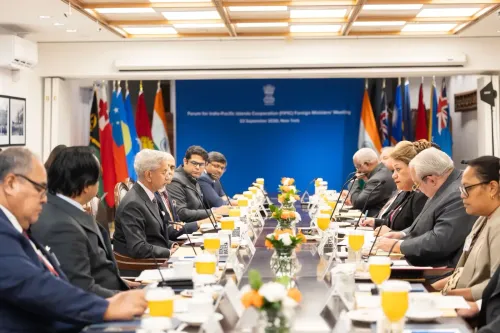
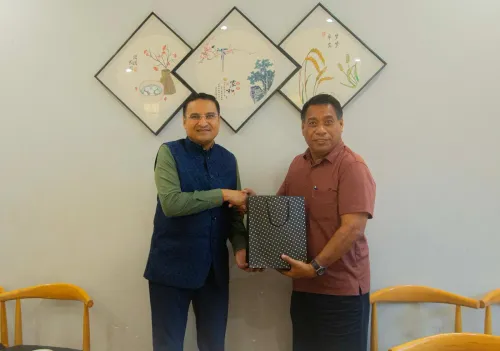
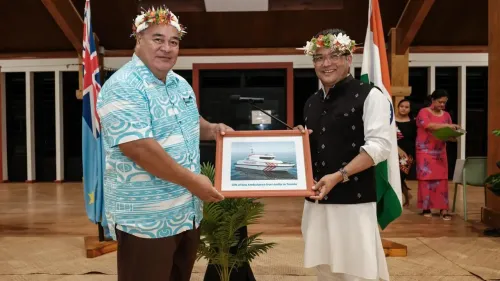
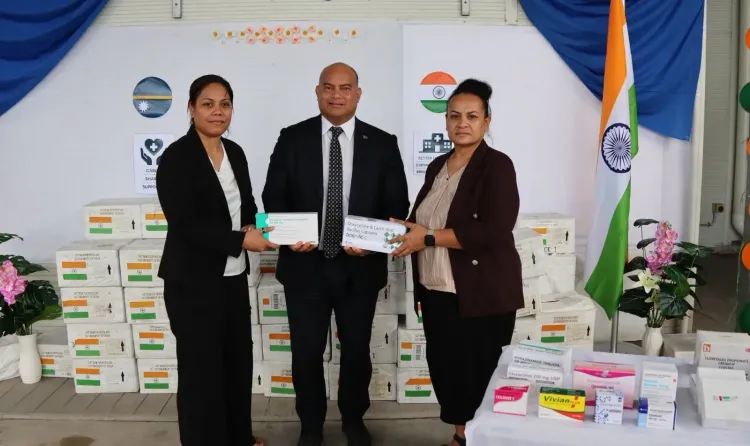
India on Thursday, 3 July 2025, donated Jan Aushadhi generic medicines and medical supplies to Nauru, a small island nation in Micronesia located northeast of Australia, in a move that reinforces New Delhi's development commitments to Pacific Island countries under the Forum for India-Pacific Island Cooperation (FIPIC) framework.
What India Donated
The consignment comprises generic medicines sourced from India's Jan Aushadhi programme — a government initiative providing affordable, quality medicines — along with other medical supplies. The High Commission of India in Canberra confirmed the donation, stating that it reflects India's 'enduring partnership and friendship with Nauru' and its commitment to delivering 'affordable, quality public healthcare' to the Global South.
The FIPIC Context
The donation is rooted in the FIPIC framework, through which India has been systematically deepening ties with Pacific Island nations across healthcare, renewable energy, and capacity building. Notably, this is not a one-off gesture — India's engagement with Nauru spans decades. India was among the first countries to propose Nauru's independence at the United Nations in the early 1960s, a move backed at the time by the then USSR, which has since earned India a place of special regard in the island nation.
Broader India-Nauru Cooperation
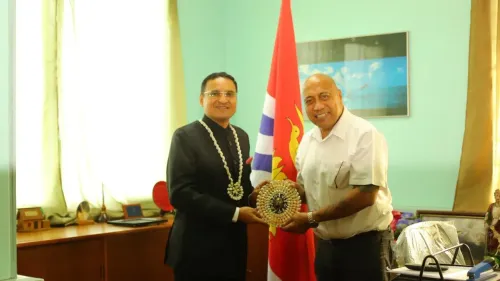
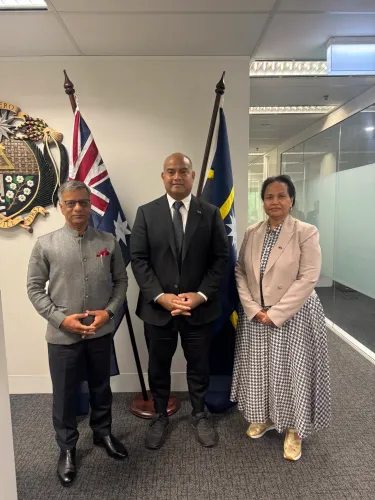
In November 2024, the Indian High Commissioner in Canberra met Nauru's President and reaffirmed New Delhi's commitment to supporting Nauru's development across sectors. The two countries had also signed a Memorandum of Understanding (MoU) in August 2025 for the project 'Cycling for a Stronger Nauru — Developing Athletes and Promoting Health Through Cycling', funded through a grant from India.
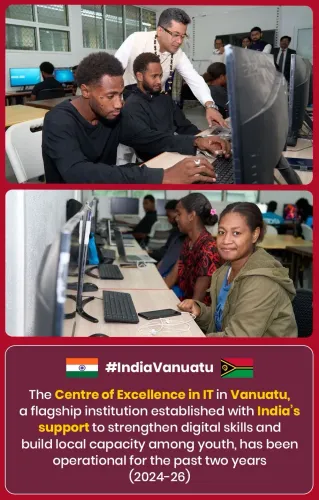
Beyond healthcare, India gifted solar equipment and livelihood material to Nauru last year. The Barefoot College, acting on behalf of the Government of India, conducted hands-on training in the installation and maintenance of solar home-lighting systems — an initiative the High Commission described as exemplifying the 'strong development partnership' between the two nations.
What This Signals
The Jan Aushadhi donation underscores India's broader strategic pivot toward the Pacific, where China has been expanding its footprint through infrastructure financing and bilateral agreements. By leading with healthcare, affordable medicines, and skills training, India is positioning itself as a development partner of a different kind — one focused on human capital and long-term institutional cooperation rather than debt-linked infrastructure. The move also aligns with Prime Minister Narendra Modi's stated foreign policy emphasis on the Global South as a pillar of India's international identity.
Point of View
Clean energy, and capacity building — sectors where it can compete on credibility rather than capital. With China deepening ties across the Pacific through infrastructure deals, India's FIPIC-led approach offers an alternative model, one rooted in grant assistance and people-to-people programmes rather than debt. The Nauru relationship, which dates to India's advocacy for the island's UN independence in the 1960s, gives New Delhi a rare depth of goodwill in the region — but translating historical trust into a sustained strategic presence will require more than periodic donations.
NationPress
30 Sept 2026
Frequently Asked Questions
What did India donate to Nauru on 3 July 2025?
India donated Jan Aushadhi generic medicines and medical supplies to Nauru on 3 July 2025. The donation was confirmed by the High Commission of India in Canberra and falls under the FIPIC healthcare cooperation framework.
What is the FIPIC framework?
The Forum for India-Pacific Island Cooperation (FIPIC) is a multilateral platform through which India engages with Pacific Island nations on development, healthcare, renewable energy, and capacity building. It was launched in 2014 and has since guided India's structured outreach to countries like Nauru, Fiji, and Papua New Guinea.
What other cooperation exists between India and Nauru?
Beyond the medicines donation, India and Nauru signed an MoU in August 2025 for the 'Cycling for a Stronger Nauru' project, funded by an Indian grant. India also gifted solar equipment and livelihood material to Nauru in 2024, with Barefoot College conducting solar installation training on behalf of the Government of India.
Why does Nauru have a special relationship with India?
India was among the first countries to propose Nauru's independence at the United Nations in the early 1960s, a move that was supported by the then USSR. This historical advocacy has given India a place of special regard in Nauru and forms the foundation of the bilateral relationship.
How does this fit into India's broader foreign policy?
The donation aligns with India's stated commitment to the Global South and its strategy of positioning itself as a development partner for smaller nations through affordable healthcare, renewable energy, and skills transfer — distinct from debt-linked infrastructure models used by other regional powers.