India-Sudan 9th Foreign Office Consultation held in Port Sudan on 4 May 2026
Synopsis
India and Sudan quietly deepened their engagement at the 9th Foreign Office Consultation in Port Sudan, even as Sudan's civil conflict rages on. From a 5,000-year-old civilisational connection to India overseeing Sudan's first elections in 1953, the bilateral relationship is far older and more layered than most realise.
Key Takeaways
The 9th India-Sudan Foreign Office Consultation was held in Port Sudan on 4 May 2026 .
Talks covered trade, capacity building, health, education, mining, agriculture and SMEs .
Jaishankar met Sudanese FM Mohieldin Salim Ahmed Ibrahim in January 2026 , reiterating India's call for an end to violence and return to dialogue.
India opened diplomatic representation in Khartoum in 1955 ; India-Sudan ties span nearly 5,000 years of civilisational contact.
Sudan's first parliamentary elections in 1953 were conducted by India's Chief Election Commissioner Sukumar Sen .
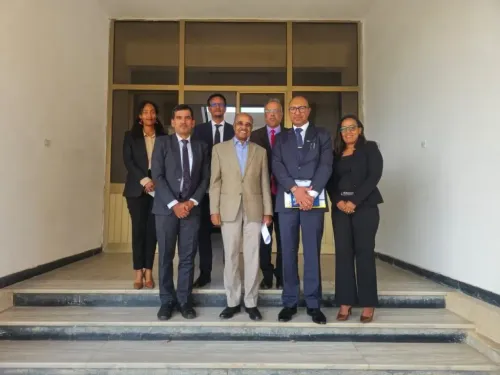
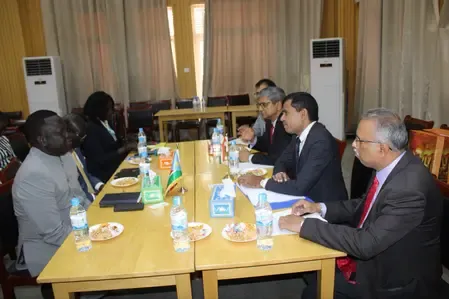
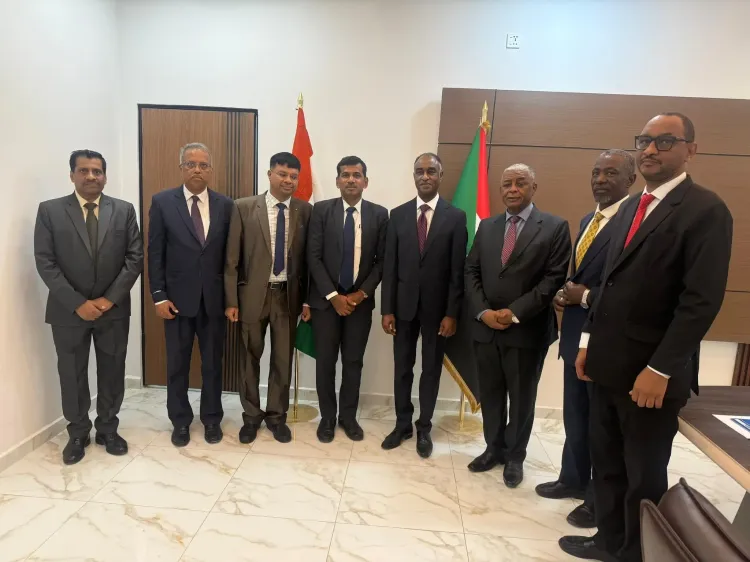
India and Sudan held the ninth round of Foreign Office Consultations (FOC) in Port Sudan on 4 May 2026, with both sides reviewing progress in bilateral relations and exchanging views on regional issues of mutual interest. The talks were co-chaired by India's Joint Secretary (WANA) and Sudan's Undersecretary of Foreign Affairs and International Cooperation.
Key Areas of Discussion
The two delegations reviewed cooperation across multiple sectors, including trade, capacity building, and human resource development, with special focus on health, education, mining, agriculture, and small and medium enterprises (SMEs). The Ministry of External Affairs (MEA) confirmed the talks in an official post on X, noting that both sides also exchanged views on regional issues of mutual concern.
High-Level Engagement in January 2026
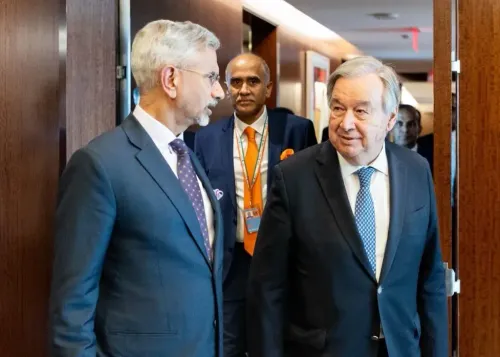
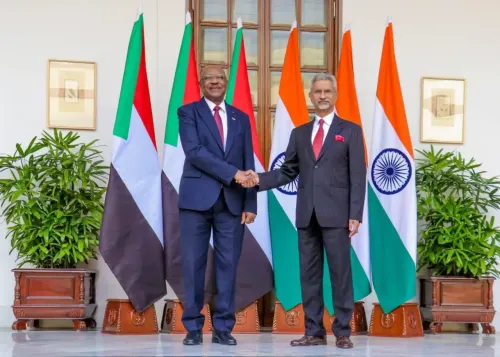
The Port Sudan consultations follow a high-level bilateral meeting in January 2026, when External Affairs Minister S. Jaishankar met his Sudanese counterpart Mohieldin Salim Ahmed Ibrahim in New Delhi. Jaishankar reiterated India's position calling for an end to violence in Sudan and a return to dialogue. In a post on X, Jaishankar wrote: "A cordial meeting this afternoon with FM Mohieldin Salim Ahmed Ibrahim of Sudan. Reiterated India's position for an end to violence in Sudan and return to dialogue. Discussed our ongoing humanitarian support and exchanges in education and capacity building. Committed to further activities in that regard."
Ibrahim's visit to India was part of his attendance at the second India-Arab Foreign Ministers' Meeting held in New Delhi.
Deep Historical Roots
India-Sudan ties trace back to antiquity, with historical evidence suggesting trade contacts between the Nilotic and Indus Valley civilisations through Mesopotamia nearly 5,000 years ago, according to the Indian Embassy in Sudan. In 1953, Sudan's first parliamentary elections were conducted by Sukumar Sen, then India's Chief Election Commissioner — a landmark moment that cemented institutional bonds between the two nations. By 1957, Sudan's Election Commission had drawn heavily on Indian electoral norms and laws, and India had opened diplomatic representation in Khartoum as early as 1955.
Why This Round Matters
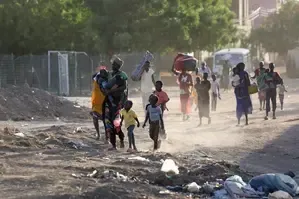
This comes amid an ongoing civil conflict in Sudan that has displaced millions and strained the country's governance structures. India's continued diplomatic engagement — including humanitarian support and capacity-building exchanges — signals a deliberate effort to maintain ties with Khartoum even as the security situation remains volatile. Notably, holding the FOC in Port Sudan, which has emerged as Sudan's functional administrative hub during the conflict, underscores both sides' intent to keep institutional channels open. The next steps in bilateral cooperation are expected to be shaped by the outcomes of this round of consultations.
Point of View
Yet has not publicly outlined what mechanisms it supports for conflict resolution. With Sudan's humanitarian crisis deepening, India's considerable historical credibility — rooted in overseeing Sudan's first elections — gives it unusual moral authority that remains underutilised in multilateral forums.
NationPress
23 Sept 2026
Frequently Asked Questions
What was discussed at the 9th India-Sudan Foreign Office Consultation?
The two sides reviewed progress in bilateral relations and discussed cooperation in trade, capacity building, health, education, mining, agriculture and SMEs. They also exchanged views on regional issues of mutual interest at the meeting held in Port Sudan on 4 May 2026.
Where was the 9th India-Sudan FOC held?
The consultation was held in Port Sudan on 4 May 2026, co-chaired by India's Joint Secretary (WANA) and Sudan's Undersecretary of Foreign Affairs and International Cooperation.
What did EAM Jaishankar discuss with Sudan's Foreign Minister in January 2026?
Jaishankar met FM Mohieldin Salim Ahmed Ibrahim in New Delhi in January 2026 and reiterated India's position calling for an end to violence in Sudan and a return to dialogue. They also discussed India's ongoing humanitarian support and education and capacity-building exchanges.
How old are India-Sudan diplomatic ties?
India opened diplomatic representation in Khartoum in 1955, but historical ties date back nearly 5,000 years through trade contacts between the Nilotic and Indus Valley civilisations. India's Chief Election Commissioner Sukumar Sen conducted Sudan's first parliamentary elections in 1953.
Why is India engaging Sudan despite the ongoing conflict?
India has maintained engagement to support humanitarian efforts and institutional capacity building, while calling for a peaceful resolution. The continued FOC rounds signal India's intent to keep bilateral channels open regardless of Sudan's internal security situation.