India-UK 15th ESG talks: Army cooperation, AI and CETA in focus
Synopsis
India and the UK are tightening ties on three fronts at once — defence, AI, and trade. The 15th ESG meeting in London, a High Commissioner-level tech dialogue, and CETA entering force on 15 July 2026 together mark one of the most substantive India-UK engagement clusters in years, with a visit to missile-maker MBDA adding a defence-industrial dimension that has gone largely unnoticed.
Key Takeaways
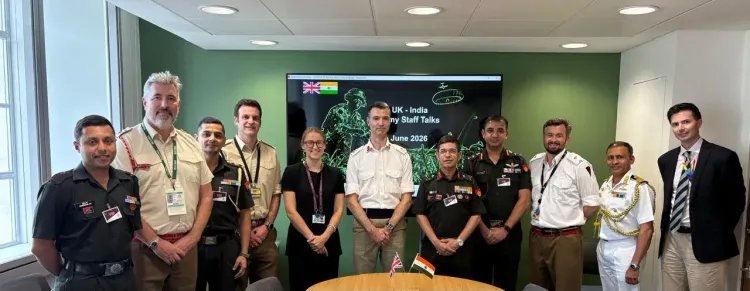
The 15th India-UK Executive Steering Group (ESG) meeting was held in London from 17 to 19 June 2026 , covering military interoperability, joint exercises, and emerging defence technologies.
Visits were made to the UK Trials and Experimental Group and MBDA, Stevenage , signalling potential defence-industrial collaboration.
High Commissioner P.
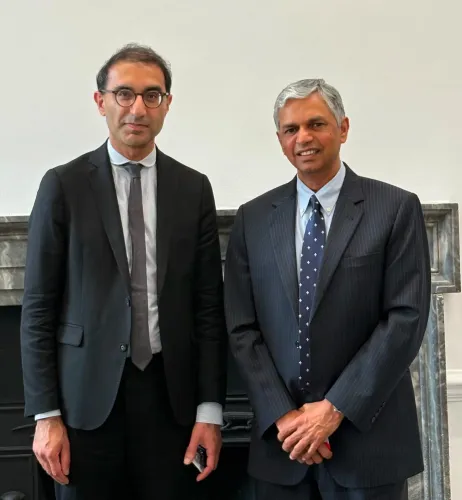
Kumaran separately met DSIT Permanent Secretary Emran Mian to advance India-UK cooperation in AI , emerging technologies, and innovation.
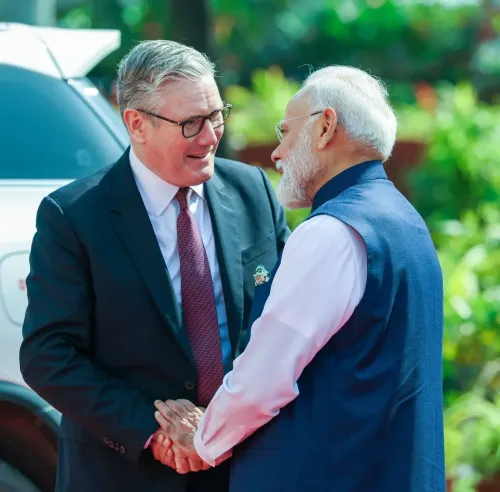
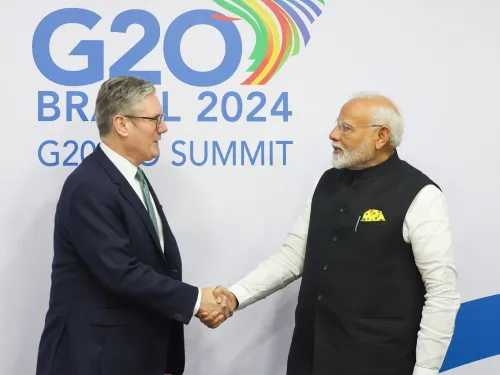
PM Modi announced on 17 June 2026 that the India-UK CETA will enter into force on 15 July 2026 , calling it a 'historic milestone.' The convergence of defence, technology, and trade talks signals a shift toward a broader, institutionalised India-UK strategic partnership.
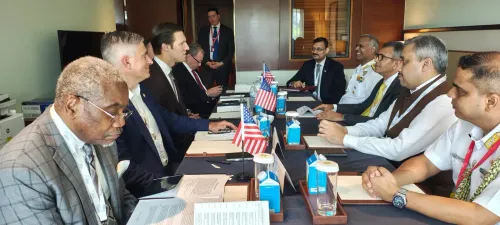
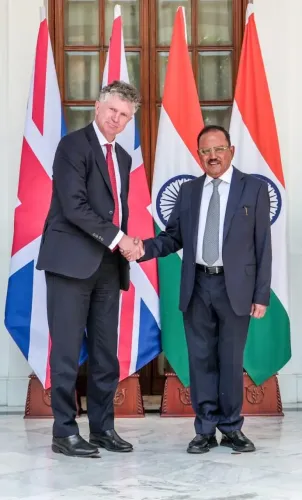
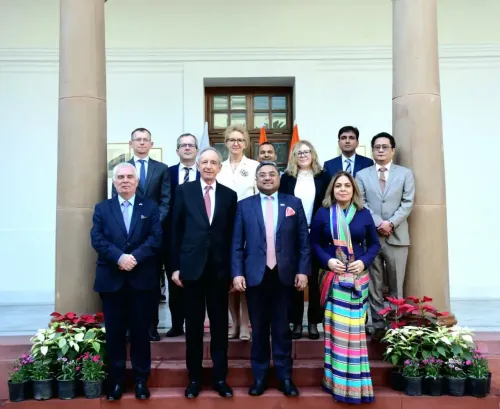
India and the United Kingdom held the 15th Executive Steering Group (ESG) meeting in London from 17 to 19 June 2026, covering a broad agenda of defence cooperation, emerging technologies, and the imminent entry into force of a landmark trade agreement. The session signals a deepening of bilateral ties across military, economic, and technological domains simultaneously.
What the ESG Meeting Covered
The three-day engagement included visits to the UK Trials and Experimental Group, an ESG session at the Ministry of Defence, London, and a visit to MBDA, Stevenage. Talks centred on advancing multi-tiered military cooperation through enhanced interoperability, bilateral joint exercises and training, and subject matter expert exchanges in niche and emerging military technologies.
The Indian Army described the deliberations as 'constructive and forward-looking, charting a robust roadmap for deepening defence cooperation and strengthening the enduring partnership between the Indian Army and the British Army.' The ESG also explored new training collaboration avenues and increased engagement between defence think tanks of both nations.
AI and Tech Collaboration in Parallel Talks
Separately, India's High Commissioner to the UK, P. Kumaran, met Emran Mian, Permanent Secretary at the UK's Department for Science, Innovation and Technology (DSIT), to discuss advancing India-UK collaboration in Artificial Intelligence (AI), emerging technologies, research, and innovation. The two sides also explored leveraging the India-UK Comprehensive Economic and Trade Agreement (CETA) to unlock new economic opportunities and drive shared growth.
The High Commission of India in London confirmed the meeting, noting that the discussions were aimed at fostering innovation and driving shared economic growth through the CETA framework.
CETA Set to Enter Force on 15 July
The trade dimension of the bilateral relationship received a major boost when Prime Minister Narendra Modi announced on 17 June 2026 that the India-UK CETA will formally enter into force on 15 July 2026. Modi described the development as a 'historic milestone' in bilateral relations, stating the agreement 'will significantly boost our bilateral trade and investment.'
The CETA announcement follows years of negotiations and is widely seen as one of the most significant trade agreements India has concluded in recent years, with implications for sectors ranging from services and pharmaceuticals to financial markets.
Why This Convergence Matters
The near-simultaneous progress on defence, technology, and trade cooperation is notable. This is the 15th iteration of the ESG — a forum that has steadily expanded its scope from traditional military exchanges to encompass emerging technologies and interoperability frameworks. The timing, just weeks before CETA takes effect, suggests a deliberate effort by both governments to institutionalise a broader strategic partnership.
Notably, the inclusion of a visit to MBDA — a leading European missile systems manufacturer — points to potential deepening of defence-industrial collaboration, an area that has gained urgency for India as it pursues Atmanirbhar Bharat in defence manufacturing.
What Comes Next
With CETA entering force on 15 July 2026, both sides are expected to operationalise the trade framework swiftly. On the defence front, the ESG roadmap is likely to translate into specific joint exercises and technology-transfer discussions in the months ahead. The convergence of defence, AI, and trade threads suggests the India-UK partnership is entering a more structured, multi-domain phase.
Point of View
And London knows it. What is striking is the deliberate stacking of defence, AI, and CETA milestones within days of each other: this looks less like coincidence and more like coordinated diplomatic choreography ahead of CETA's 15 July entry into force. The question mainstream coverage is not asking is whether the defence-industrial thread will survive domestic procurement politics on both sides — a factor that has derailed similar India-UK defence ambitions before.
NationPress
23 Jun 2026
Frequently Asked Questions
What is the India-UK Executive Steering Group (ESG)?
The India-UK Executive Steering Group is a bilateral defence forum that facilitates structured military cooperation between the Indian Army and the British Army. The 15th edition, held from 17 to 19 June 2026 in London, covered interoperability, joint exercises, training collaboration, and emerging military technologies.
What was discussed at the 15th ESG meeting in London?
The meeting covered enhanced military interoperability, bilateral joint exercises and training, subject matter expert exchanges in niche and emerging technologies, new training collaboration avenues, and increased engagement between defence think tanks of both countries. It also included visits to the UK Trials and Experimental Group and MBDA in Stevenage.
When will the India-UK CETA enter into force?
The India-UK Comprehensive Economic and Trade Agreement (CETA) will formally enter into force on 15 July 2026, as announced by Prime Minister Narendra Modi on 17 June 2026. Modi described it as a 'historic milestone' that will significantly boost bilateral trade and investment.
What is the significance of the MBDA visit during the ESG meeting?
MBDA is a leading European missile systems manufacturer. The visit during the ESG meeting suggests both sides are exploring deeper defence-industrial collaboration, which aligns with India's Atmanirbhar Bharat push to develop domestic defence manufacturing capabilities.
How does the India-UK AI collaboration connect to the ESG talks?
Separately from the ESG, India's High Commissioner P. Kumaran met DSIT Permanent Secretary Emran Mian to discuss advancing cooperation in AI, emerging technologies, research, and innovation. Both tracks — defence and technology — are being pursued in parallel, reflecting a broadening of the India-UK strategic partnership beyond traditional military ties.