India pushes consensus, development rights at Nairobi plastic pollution talks
Synopsis
At Nairobi's Informal HODs meeting, India drew a clear line: no caps on primary polymer production, decisions only by consensus, and a dedicated multilateral fund for developing nations. New Delhi's stance reflects a broader Global South push to ensure the plastic pollution treaty does not become another instrument where the burden falls on those least responsible for the crisis.
Key Takeaways
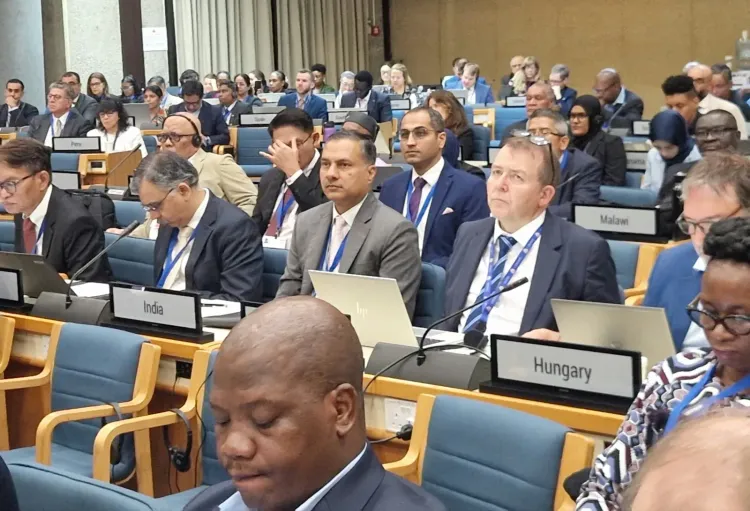
Adarsh Swaika , India's Permanent Representative to UNEP , led India's delegation at the Informal HODs meeting in Nairobi on 30 June .
India insisted all decisions under the plastic pollution instrument must be taken by consensus and scoped strictly to UNEA Resolution 5/14 .
New Delhi opposed any capping of primary polymer production , citing the right to development of developing nations.
India called for implementation to be country-driven and guided by Rio Principles , including common but differentiated responsibilities .
A dedicated multilateral fund for developing countries was among India's explicit demands at the meeting.
PM Modi separately reinforced the climate equity argument during his address to the National Assembly of Seychelles .
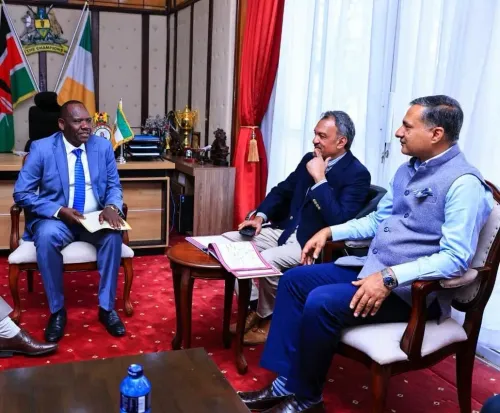
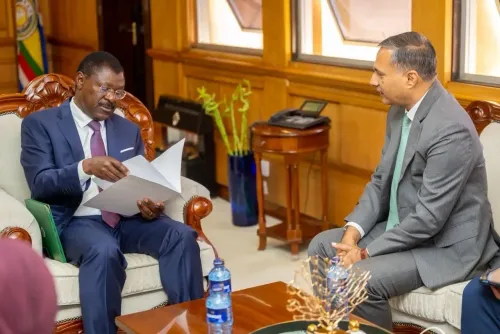
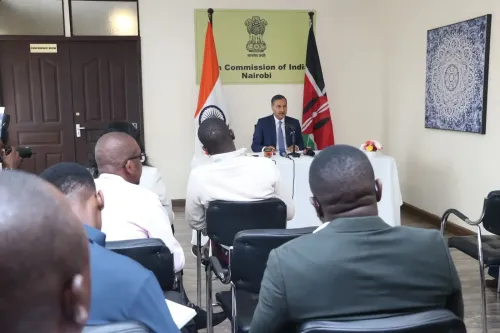
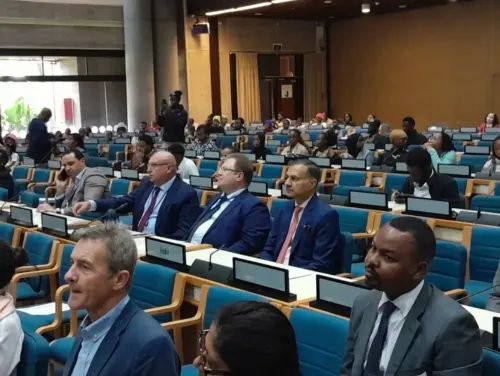
India's Permanent Representative to the United Nations Environment Programme (UNEP), Adarsh Swaika, on Tuesday, 30 June led the country's delegation at the Informal Heads of Delegations (HODs) meeting in Nairobi, articulating New Delhi's core positions ahead of the next session of the Intergovernmental Negotiating Committee (INC) tasked with developing a binding instrument on plastic pollution.
India's Key Positions at the HODs Meeting
Swaika, who also serves as India's High Commissioner to Kenya, underlined several non-negotiable principles on behalf of the Indian delegation. Chief among them: all decisions must be taken by consensus to ensure collective ownership of any final treaty text. India also insisted that the scope of the instrument must remain strictly focused on plastic pollution, in line with United Nations Environment Assembly (UNEA) Resolution 5/14, and must avoid overlap with existing international frameworks — particularly those of the World Trade Organisation (WTO) and the World Health Organisation (WHO).
Critically, India opposed any capping or regulation of primary polymer production, arguing that such measures would infringe upon developing nations' right to development — a position that places New Delhi at odds with several high-income countries pushing for upstream production curbs.
Development Rights and Rio Principles
Swaika emphasised that implementation of any agreed instrument must be country-driven, sensitive to national circumstances, and anchored in the Rio Principles — including the doctrine of common but differentiated responsibilities (CBDR). This principle, a cornerstone of multilateral environmental negotiations since 1992, holds that while all nations share responsibility for environmental protection, historically higher-emitting and industrialised countries bear a greater burden of action and financing.
The High Commission of India in Nairobi conveyed India's readiness to engage constructively toward a balanced and effective outcome, according to a post shared on social media platform X.
Financing for Developing Nations
A dedicated multilateral fund for developing countries was among India's explicit demands. The delegation stressed that the provision of means of implementation — covering finance, technology transfer, and capacity building — is critical to any workable agreement. India called for a process that is fair, transparent, and inclusive, and one that reflects the varying national circumstances and capabilities of member states.
India's Broader Climate Equity Stance
The Nairobi intervention sits within a wider pattern of India championing climate equity on global platforms. Prime Minister Narendra Modi, during a special address at the National Assembly of Seychelles as part of his recent official visit, stated that the Global South and island nations are the most severely impacted by climate change, with effects already visible on coastlines, marine ecosystems, weather patterns, and in local communities.
'We both firmly believe that those who have contributed the least to climate change should not bear the greatest burden of its consequences. Climate action must be guided by fairness, responsibility, and equity. This is the essence of climate justice,' Modi said.
Modi also cited India's domestic track record, pointing to one of the world's largest expansions of renewable energy over the past decade, alongside initiatives such as Mission LiFE (Lifestyle for Environment), the International Solar Alliance (ISA), the Coalition for Disaster-Resilient Infrastructure (CDRI), the Global Biofuel Alliance (GBA), and the 'Ek Ped Maa Kee Naam' tree-planting campaign.
The next INC session will be a critical test of whether the divergence between developed and developing nations on production-side controls can be bridged — a gap that has stalled progress in earlier rounds of negotiations.
Point of View
Any treaty risks being a downstream cleanup exercise. New Delhi's counter — that such caps violate the right to development — is legally grounded in CBDR but politically difficult to sustain as domestic plastic pollution visibly worsens. The demand for a dedicated multilateral fund is well-established Global South diplomacy, but its credibility depends on whether India can build a coalition large enough to make it non-negotiable, rather than a footnote. The real test comes at the next INC session: whether the consensus-only demand becomes a shield for delay, or a genuine tool for inclusive treaty-making.
NationPress
30 Jun 2026
Frequently Asked Questions
What is the Informal HODs meeting on plastic pollution?
The Informal Heads of Delegations (HODs) meeting is a preparatory diplomatic gathering held ahead of formal sessions of the Intergovernmental Negotiating Committee (INC), which is developing a legally binding global instrument to end plastic pollution. It allows delegations to align positions before formal negotiations resume.
What are India's key demands in the plastic pollution treaty talks?
India has called for consensus-based decision-making, a scope strictly limited to plastic pollution under UNEA Resolution 5/14, no caps on primary polymer production, country-driven implementation guided by Rio Principles including CBDR, and a dedicated multilateral fund for developing nations.
Why does India oppose capping primary polymer production?
India argues that capping or regulating primary polymer production would infringe on developing countries' right to development. New Delhi's position is that upstream production controls disproportionately burden nations that have contributed less to the global plastic pollution problem.
What is the principle of common but differentiated responsibilities (CBDR)?
CBDR is a foundational Rio Principle in international environmental law, established in 1992, which holds that all nations share responsibility for environmental protection but that historically industrialised countries must bear a greater share of the burden for action and financing. India invoked it at the Nairobi HODs meeting to defend its position on implementation flexibility.
How does PM Modi's Seychelles address connect to the Nairobi talks?
PM Modi's address to the National Assembly of Seychelles reinforced India's broader climate equity argument — that the Global South and island nations, which have contributed least to environmental degradation, should not bear its greatest consequences. This framing directly underpins India's stance in the plastic pollution negotiations.