Are India-US Relations at an All-Time Low in 2025? Expert Insights
Synopsis
India-US relations have plunged to unprecedented lows in 2025, with experts suggesting a transactional approach rather than a strategic partnership. Insights from Aparna Pande reveal complexities and hope for future recovery, driven by trade dynamics and political engagements.
Key Takeaways
India-US relations are at a low point in 2025.
Current dynamics are viewed through a transactional lens .
Trade tensions, especially tariffs, are central to the impasse.
Operational relationships at working levels continue despite high-level stagnation.
Future recovery will depend on strategic engagements and trade agreements.
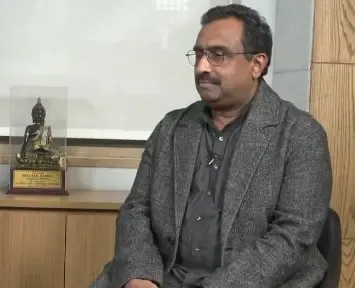
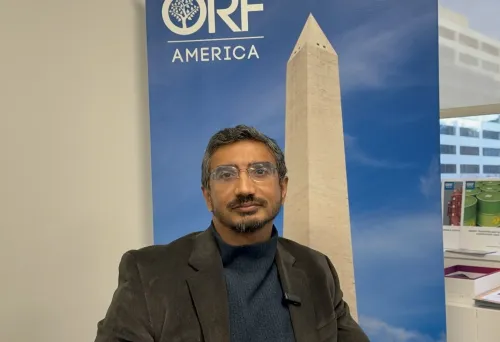
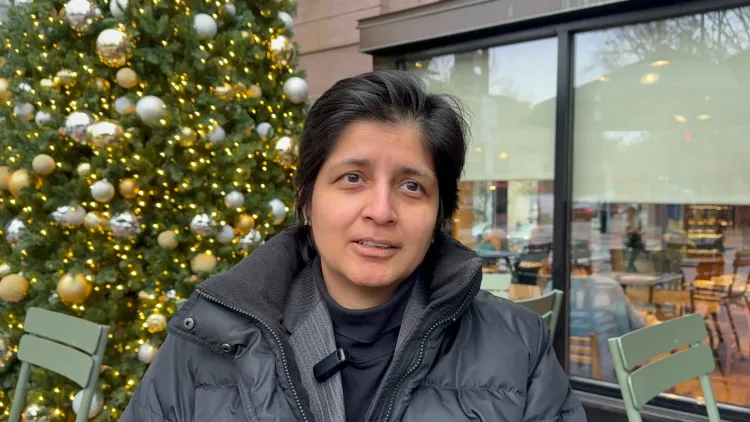
Washington, Dec 18, (NationPress) The year 2025 marks a challenging period for India–United States relations, described by experts as having reached near rock bottom. According to Aparna Pande, a prominent South Asia analyst at the Hudson Institute, the current dynamics are perceived through a transactional rather than a strategic lens by the Trump administration. Pande stated, “This year has been one of the most complicated.”
She noted that while the situation appears grim, there is a silver lining: “The only direction from here is up,” although recovery may take some time, ranging from a few months to possibly years. The trajectory of this recovery hinges on how Washington positions its engagement with New Delhi. “The future depends on whether the American administration perceives the partnership with India as strategic or merely transactional,” she added.
Pande offered a candid assessment of the Trump administration's current view on India, stating, “It seems that the second Trump administration is treating nearly all relationships as transactional and tactical,” with little emphasis on grand strategy, including India.
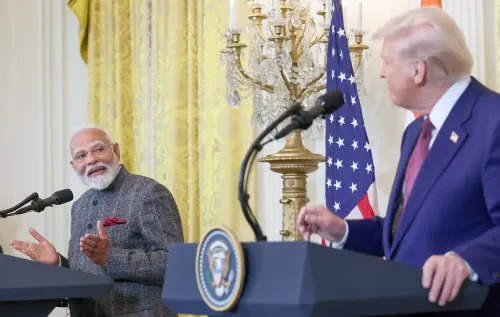
She recalled that the year began positively, highlighted by a February summit between Prime Minister Modi and President Trump, which aimed to build on decades of cooperation. However, Pande lamented that momentum quickly waned, primarily due to trade tensions, including the administration's significant tariffs on India.
Despite these challenges, she reassured that operational relationships at working levels have not collapsed, citing ongoing cooperation in humanitarian assistance, counter-terrorism, and routine bilateral exchanges. However, high-level diplomatic engagement seems stagnant.
Reflecting on trade, Pande pointed out that current disputes are not unprecedented. “The issues we are facing today have been discussed for 35 years,” she noted, emphasizing how previous administrations adapted to the complexities of trade with India. She expressed concern that the current administration’s narrow focus on tariffs has stifled progress on a comprehensive trade deal.
Pande highlighted that while India has proposed a promising trade deal draft, its acceptance may depend on the president’s assessment of its value. Furthermore, she mentioned Pakistan’s re-emergence as a variable in US–India relations, hinting at its perceived utility in various geopolitical contexts, though she cautioned against overestimating this relationship.
Looking ahead to 2026, Pande maintained a cautiously optimistic outlook, wishing for a trade deal, a summit of key leaders, and further economic reforms in India, including labor and insurance reforms, and potentially revisiting the nuclear liability bill.
Point of View
It is essential to recognize the complex dynamics shaping India-US relations in 2025. While challenges abound, a focused approach towards strategic engagement and trade can pave the way for a brighter future. Our commitment remains to inform and guide discourse on these pivotal international relations.
NationPress
30 Sept 2026
Frequently Asked Questions
What is the current state of India-US relations in 2025?
India-US relations are currently at a low point, characterized by a transactional rather than a strategic approach, as assessed by experts.
What factors have contributed to the downturn in relations?
Key factors include trade tensions, particularly the imposition of tariffs, and a lack of high-level diplomatic engagements.
Is there any hope for improvement in the future?
Yes, experts suggest that the only way from here is up, although recovery may take time and will depend on how both nations approach their partnership.
How has the Trump administration influenced these relations?
The Trump administration's transactional lens has shaped its foreign policy, affecting how it engages with India.
What future developments could affect India-US ties?
Future trade agreements, high-level summits, and India's economic reforms may significantly influence the trajectory of the relationship.