India-US bilateral trade pact talks advance as Piyush Goyal heads to Milwaukee
Synopsis
The India-US bilateral trade deal is closer than ever — Commerce Secretary Rajesh Agrawal says it is 'more or less finalised.' The real challenge now is structural: India runs on MFN tariffs, the US on executive tariffs, and bridging that gap without a WTO-compliant framework is the last major hurdle before a historic agreement can be signed.
Key Takeaways
Commerce Minister Piyush Goyal will attend the G20 Trade Ministers' Meeting in Milwaukee, Wisconsin on 30 September–1 October 2026 .
Goyal is set to hold key talks with US Trade Representative Jamieson Greer to accelerate the India-US Bilateral Trade Agreement (BTA) .
Commerce Secretary Rajesh Agrawal says the deal is 'more or less finalised,' with both sides now working on a preferential market access framework.
India seeks a tariff advantage over competing economies , not merely a lower headline tariff rate.
A key structural hurdle remains: India operates under MFN tariffs while the US uses executive tariffs , requiring a new tariff architecture.
The deal aligns with the India-US joint statement of 7 February 2026 .
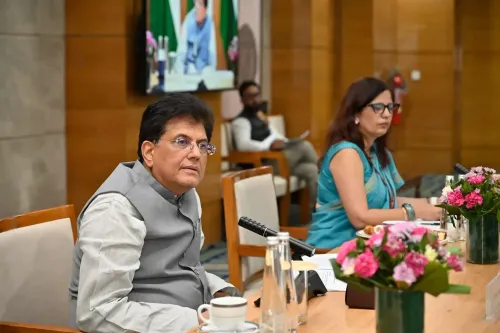
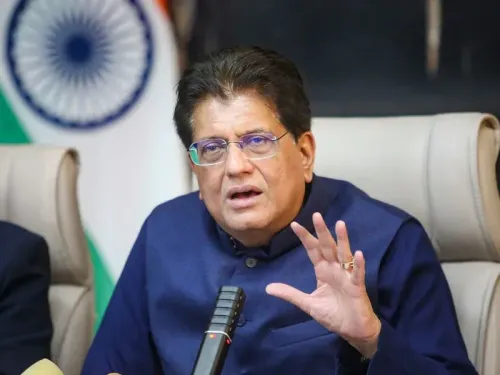
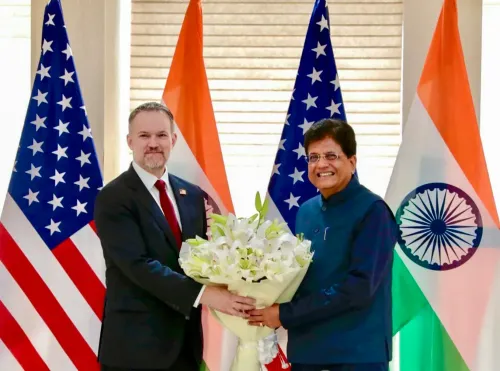
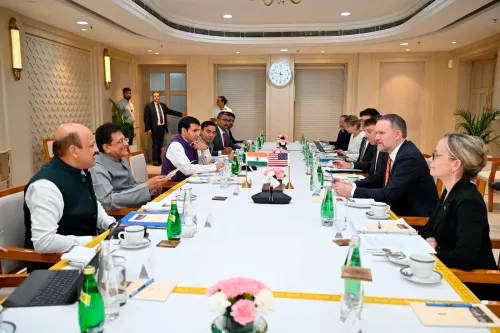
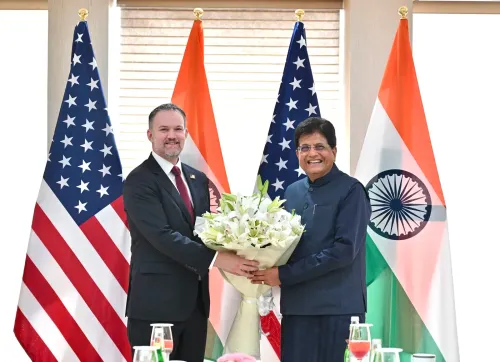
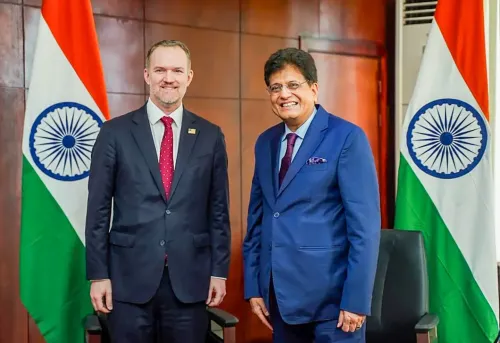
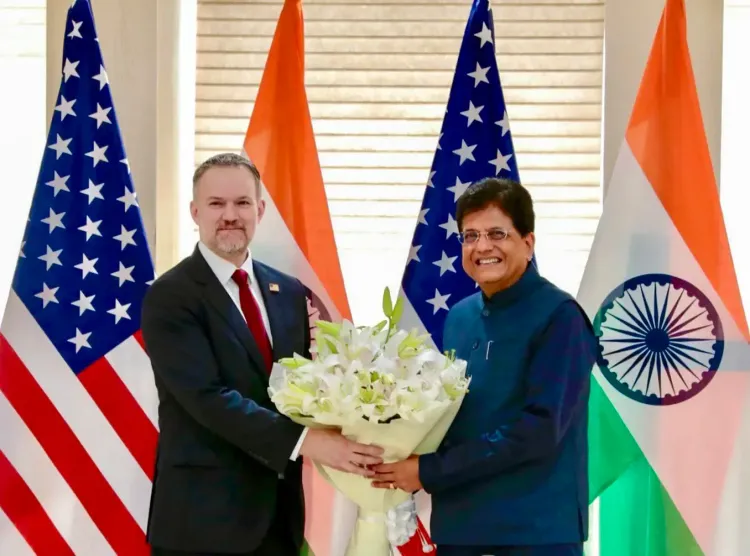
Commerce and Industry Minister Piyush Goyal is set to hold high-stakes talks with US Trade Representative (USTR) Jamieson Greer as India and the United States push to accelerate negotiations on a Bilateral Trade Agreement (BTA), with both sides working toward finalising an interim deal in line with the joint statement issued on 7 February 2026. Goyal's engagement with Greer is being viewed as a pivotal step in bringing the trade pact closer to fruition.
Goyal's Milwaukee Agenda
Minister Goyal will attend the G20 Trade Ministers' Meeting in Milwaukee, Wisconsin, on 30 September and 1 October, at the invitation of the USTR. The visit, which will also include stops in Chicago, encompasses bilateral engagements with senior executives from leading American companies across manufacturing, consumer goods, agribusiness, retail, and technology sectors.
Beyond corporate meetings, the discussions are expected to focus on expanding opportunities for farmers, fishermen, women entrepreneurs, startups, and micro, small and medium enterprises (MSMEs) — signalling that New Delhi is pushing for a broad-based agreement rather than a narrow sectoral deal.
Where the Deal Stands
Commerce Secretary Rajesh Agrawal stated earlier this month that the proposed India-US trade agreement has been 'more or less finalised,' with both countries now working on a framework to provide preferential market access before a formal signing at an appropriate time. Agrawal noted that a mechanism must be established to ensure preferential access to each other's markets under the proposed pact.
A key structural challenge, according to Agrawal, is that India largely operates under most-favoured-nation (MFN) tariffs, while the US is currently applying executive tariffs. Bridging this gap requires building a tariff architecture that creates meaningful differentials — giving Indian exporters a competitive edge over rival economies, not merely a lower headline rate.
India's Negotiating Priorities
New Delhi's core demand is a tariff advantage for domestic exporters relative to competing economies — a position that goes beyond seeking reduced duties in isolation. India is also expected to advocate for a rules-based, open, inclusive, transparent, equitable, and non-discriminatory global trading framework, with the World Trade Organization (WTO) at its centre.
This comes amid broader geopolitical realignment in global trade, with several economies racing to secure preferential access to the US market following Washington's aggressive use of executive tariff authority. For India, locking in a structural tariff differential before rivals do could prove strategically significant.
What Happens Next
The Milwaukee meetings represent one of the most concrete steps yet toward a formal India-US trade agreement. Both governments are expected to work on finalising the interim deal's architecture in the weeks following the G20 ministerial, with a formal signing timeline yet to be publicly confirmed. How quickly the two sides can resolve the MFN-versus-executive-tariff structural gap will likely determine whether the deal reaches the finish line before the next major diplomatic window.
Point of View
Rather than a simple rate reduction, is the smarter ask — but it is also the harder one to deliver within WTO rules. The Milwaukee meetings will reveal whether both sides have genuinely resolved this or are papering over it with diplomatic language ahead of a political deadline.
NationPress
29 Sept 2026
Frequently Asked Questions
What is the India-US Bilateral Trade Agreement (BTA)?
The India-US Bilateral Trade Agreement (BTA) is a proposed trade pact between India and the United States aimed at creating preferential market access for both countries. According to Commerce Secretary Rajesh Agrawal, the deal is 'more or less finalised,' with both sides now working on a framework to formalise preferential access before a formal signing.
Why is Piyush Goyal visiting Milwaukee?
Commerce and Industry Minister Piyush Goyal is attending the G20 Trade Ministers' Meeting in Milwaukee, Wisconsin, on 30 September and 1 October 2026, at the invitation of the US Trade Representative. He is also scheduled to hold bilateral meetings with senior American business executives in Milwaukee and Chicago.
What is India's key demand in the trade negotiations?
India wants domestic exporters to receive a tariff advantage over competing economies — not merely a lower headline tariff rate. New Delhi is also pushing for a rules-based, WTO-centred global trading framework as part of the broader agreement.
What is the main structural challenge in the India-US trade deal?
India largely operates under most-favoured-nation (MFN) tariffs, while the US is currently applying executive tariffs. Commerce Secretary Rajesh Agrawal has said both sides need to develop a tariff architecture that creates meaningful differentials and provides genuine preferential access for Indian businesses.
When could the India-US trade deal be formally signed?
No formal signing date has been publicly confirmed. Both governments are working toward finalising an interim deal in line with the India-US joint statement of 7 February 2026, with a formal signing expected at 'an appropriate time,' according to official statements.