India-US ties stabilising after tough 2025, says ex-diplomat Nisha Biswal
Synopsis
India-US ties have climbed back from a bruising 2025, but former US diplomat Nisha Biswal warns the ceiling has lowered. Rubio's visit stabilised the trajectory without resolving New Delhi's unease over Washington's Pakistan outreach. A first-phase trade deal is in the final stretch — and may be the clearest test of whether the reset holds.
Key Takeaways
Former US diplomat Nisha Desai Biswal says India-US ties have stabilised after a difficult 2025 .
Secretary of State Marco Rubio's India visit reinforced cooperation but did not resolve key tensions.
India's concerns over the US-Pakistan relationship remain materially unaddressed.
Cooperation is deepening in critical minerals , digital technologies , AI and the TRUST partnership.
Biswal says a first-phase trade agreement is in the ‘final stretches' and could come in the near future.
Biswal served as Assistant Secretary of State for South and Central Asian Affairs (2013-2017) .
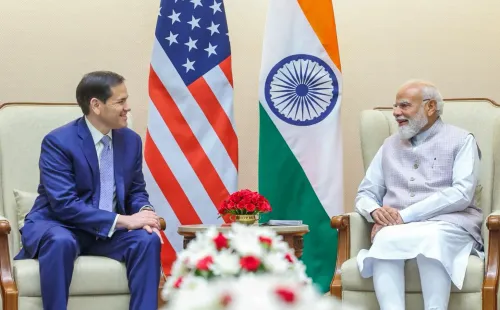
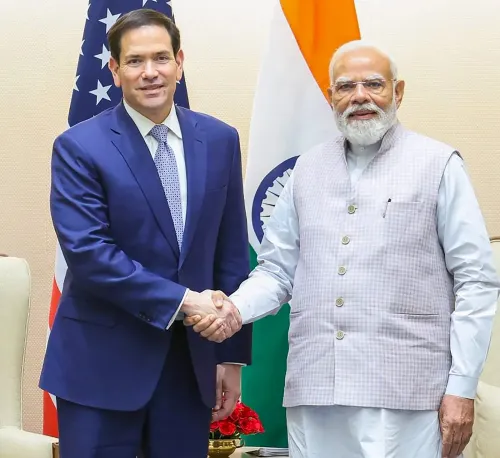
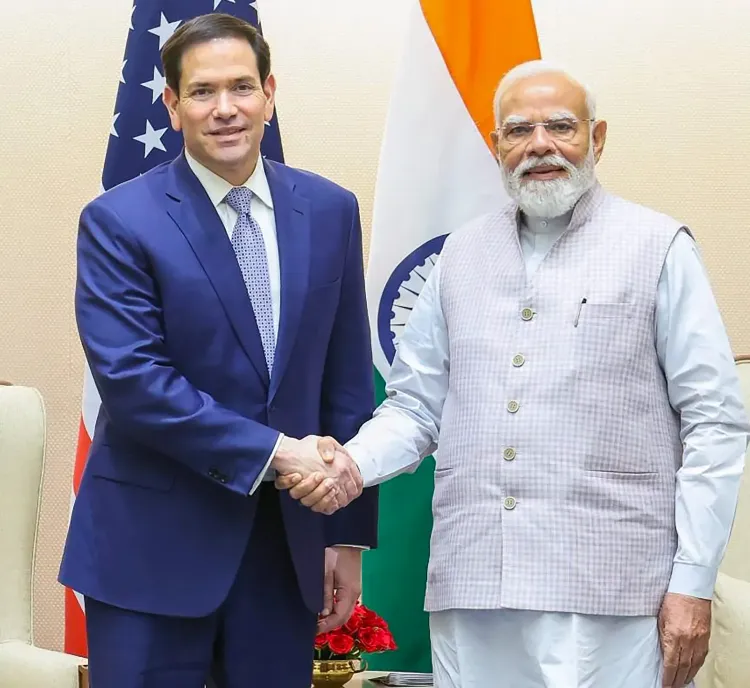
India and the United States have managed to stabilise bilateral ties after a turbulent 2025, but rebuilding trust and restoring the ambition that defined the partnership in recent years will take time, former senior US diplomat Nisha Desai Biswal has said. Speaking from Washington, Biswal said Secretary of State Marco Rubio's recent visit to India reinforced ongoing cooperation but did not fundamentally resolve the underlying tensions between the two sides.
What Biswal said on the reset
‘What I would say is, you know, we've seen US-India relations kind of climb back after a very tough 2025,' Biswal said in an interview. ‘And there's been, I think, concerted efforts by both sides to kinda improve the relationship and stabilise the relationship.'
She said Rubio's trip ‘continued that trajectory of ensuring that there is strength and stability in the US India relationship', while cautioning that several areas of concern remain unaddressed.
The Pakistan friction point
Biswal flagged New Delhi's unease over Washington's recalibrated engagement with Islamabad as a sticking point that the latest diplomatic outreach did little to ease.
‘For example, I think that there is some concern in India, you know the US-Pakistan relationship and how the US is engaging with Pakistan. I don't know that Secretary Rubio was able to materially address those concerns,' she said.
Where cooperation is deepening
Despite the friction, Biswal said the foundations of the partnership remain intact, with momentum building across critical minerals, digital technologies and the TRUST partnership.
‘I think that we have deep convergence on the kind of emerging dichotomy in the technology and AI and digital infrastructure space,' she said, adding that the United States, India, Europe and Japan would continue to coordinate on technology, critical supply chains and pharmaceuticals.
Ambition versus aspiration
Biswal pushed back on the idea that recent turbulence had unravelled two decades of progress, but conceded that the ceiling for the relationship has shifted.
‘I would say that it's undone. I would say that, you know, the ambition on how high the relationship can go in the current context, that has changed,' she said. ‘The aspiration is to stabilise the relationship and maintain the things that have been built up and keep those moving forward. But whether the relationship can break new ground, go higher, create more ambition and aspiration, I think that there's some hesitation there and there's some erosion of trust there.'
Trade deal in the final stretch
On trade negotiations, Biswal said both sides were nearing a breakthrough. ‘I do think that they are in the final stretches,' she said. ‘So I'm confident that we'll have a trade agreement in, in the near future.' A first-phase pact, she added, could open the door to broader talks on manufacturing, digital ecosystems and non-tariff barriers.
Biswal served as Assistant Secretary of State for South and Central Asian Affairs from 2013 to 2017, overseeing the US-India strategic partnership during a period of major expansion. She is currently a partner at The Asia Group, advising on Indo-Pacific geopolitics.
The strategic backdrop
The United States and India have steadily expanded cooperation over the past two decades across defence, trade, critical technologies, energy and people-to-people ties — increasingly viewed in both Washington and New Delhi as a cornerstone of Indo-Pacific stability. Both are also members of the Quadrilateral Security Dialogue (Quad), which focuses on a free, open and inclusive Indo-Pacific amid sharpening strategic competition. The next test of the reset will be whether the trade deal lands — and whether it can rebuild the ambition Biswal says has quietly eroded.
Point of View
But its ceiling has. That is a significant admission from someone who helped architect the strategic partnership's last big leap. The unresolved Pakistan question and the quiet ‘erosion of trust' she names are the real story — not the optics of Rubio's visit. If the first-phase trade deal lands, it will paper over the cracks; if it slips, expect the ambition gap to widen into a structural drift.
NationPress
20 Oct 2026
Frequently Asked Questions
What did Nisha Biswal say about India-US relations?
Biswal said India-US ties have stabilised after a tough 2025, with concerted efforts by both sides to repair the relationship. However, she cautioned that trust has eroded and the ambition that once defined the partnership has been tempered.
Did Marco Rubio's India visit resolve key tensions?
According to Biswal, Rubio's visit continued the trajectory of stability but did not materially address India's concerns, particularly over Washington's engagement with Pakistan. Several underlying tensions remain unresolved.
Is an India-US trade agreement close?
Biswal said negotiations are in the ‘final stretches' and she is confident a deal will come in the near future. A first-phase agreement could pave the way for talks on manufacturing, digital ecosystems and non-tariff barriers.
Which sectors are seeing deeper India-US cooperation?
Cooperation is expanding in critical minerals, digital technologies, AI and the TRUST partnership. Biswal noted strong convergence among the US, India, Europe and Japan on technology, critical supply chains and pharmaceuticals.
Who is Nisha Desai Biswal?
She served as US Assistant Secretary of State for South and Central Asian Affairs from 2013 to 2017, overseeing the US-India strategic partnership during a period of major expansion. She is currently a partner at The Asia Group, advising on Indo-Pacific geopolitics.