India-US trade deal likely in coming weeks: Ambassador Sergio Gor
Synopsis
US Ambassador Sergio Gor has put a firm ‘weeks and months’ timeline on the India-US trade deal, comparing the 18-month negotiation favourably to the EU’s 19-year slog. With delegations crossing both ways and Indian firms already committing USD 20 billion in US investments, the deal is closer than the diplomatic language suggests — but the hard details on tariffs and market access remain unresolved.
Key Takeaways
US Ambassador Sergio Gor said on 21 May that the India-US trade deal would be finalised in the ‘coming weeks and months.’ An Indian delegation visited Washington, D.C. last month; a US delegation is expected to visit India next month.
Indian companies have committed more than USD 20 billion in investments in the US at the Select Investment Summit .
Gor noted that the India-EU trade deal took nearly 19 years , framing the current 18-month India-US timeline as relatively swift.
Commerce Minister Piyush Goyal confirmed active progress following April talks in Washington, D.C.
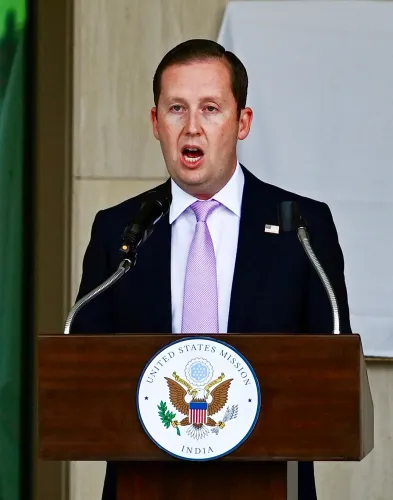
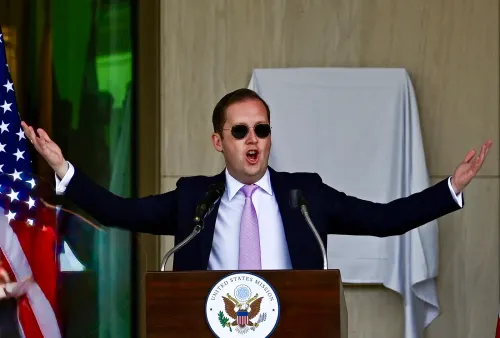
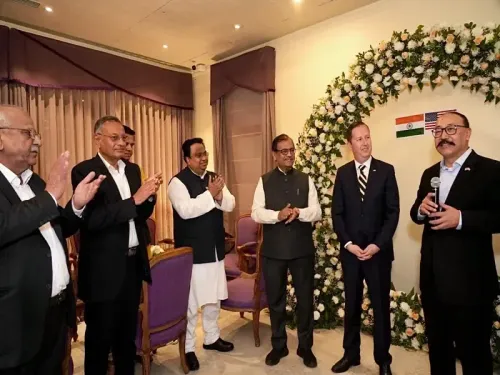
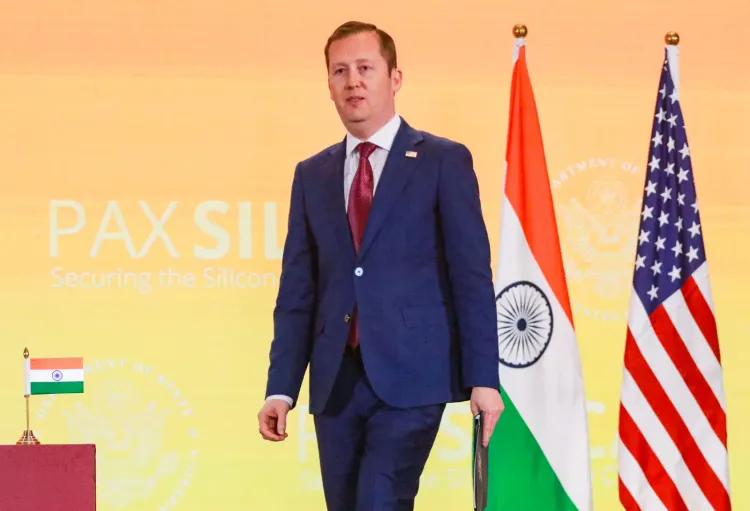
US Ambassador Sergio Gor on Thursday, 21 May expressed strong confidence that a landmark bilateral trade deal between India and the United States would be finalised in the “coming weeks and months,” signalling a significant acceleration in negotiations that have been under way for over a year and a half. Gor made the remarks at the Annual Leadership Summit of the American Chamber of Commerce (AMCHAM) in New Delhi.
What the Ambassador Said
“President Trump’s goal is to facilitate bilateral trade in a way that creates lucrative opportunities for American businesses and workers,” Gor said. He confirmed that a current interim trade agreement was on the table for finalisation, which he described as capable of “unlocking prosperity for both nations.”
Gor outlined the recent momentum in talks: “Last month, an Indian delegation visited Washington, D.C. to help finalise the trade deal. Next month, a US delegation will also focus on the agreement.” He added that the US was seeking to expand market access, reduce trade barriers, and provide greater business certainty on both sides.
“This agreement, if done right, will strengthen supply chains, catalyse new investments, and drive sustained inclusive growth, bringing tangible benefits to industries, workers, and economies,” Gor explained.
Putting the Timeline in Perspective
Acknowledging that differences had taken considerable time to resolve, Gor offered a pointed comparison: the India-European Union (EU) trade negotiations took nearly 19 years to conclude. “Negotiations have been ongoing for a year and a half, but to put it in perspective, the European Union took almost 19 years. We are confident that in the coming weeks and months, this trade deal will be finalised,” he said.
The remark was notable given that the India-EU deal’s prolonged timeline has often been cited as a cautionary example of how complex multilateral and bilateral trade frameworks can stall on tariff and regulatory divergences.
Investment Commitments and Economic Ties
Gor also highlighted the scale of Indian corporate investment flowing into the US, noting that Indian companies had committed more than USD 20 billion in investments at the annual Select Investment Summit. He pointed out that the US Embassy in India ranked first globally in facilitating investment commitments into the United States, underscoring the depth of the bilateral economic relationship.
The Ambassador further noted the growing footprint of American companies across India’s expanding consumer and industrial sectors, framing the trade deal as a natural extension of this deepening commercial engagement.
India’s Position and What Comes Next
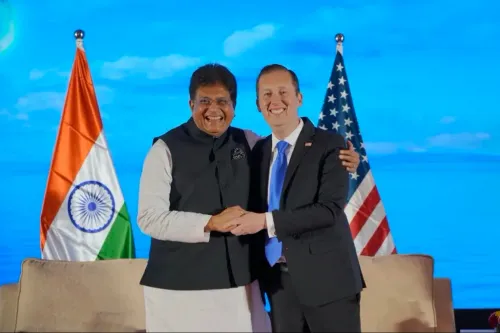
Union Commerce and Industry Minister Piyush Goyal, speaking on the sidelines of the same summit, confirmed that an official US delegation is expected to visit India next month for further bilateral trade talks. He said discussions were progressing actively following meetings between Indian and US officials in Washington, D.C. in April.
This comes amid broader geopolitical realignment, with both governments under pressure to demonstrate tangible economic outcomes. A finalised trade deal would mark the most significant India-US economic agreement in decades, with implications for sectors ranging from pharmaceuticals and technology to agriculture and manufacturing. The next round of talks will be closely watched for progress on the most contentious sticking points, including tariff schedules and intellectual property provisions.
Point of View
Or merely deferred them. With both the Trump administration and the Modi government facing domestic pressure to show economic wins, there is political will on both sides — but political will and a signed text are not the same thing.
NationPress
23 Sept 2026
Frequently Asked Questions
What did US Ambassador Sergio Gor say about the India-US trade deal?
Ambassador Gor said he was confident the bilateral trade deal between India and the United States would be finalised in the ‘coming weeks and months.’ He made the remarks at the AMCHAM India Annual Leadership Summit in New Delhi on 21 May.
How long have India-US trade negotiations been ongoing?
Negotiations have been under way for approximately a year and a half, according to Ambassador Gor. He noted this compares favourably to the nearly 19 years it took for India-EU trade talks to conclude.
What is the current status of India-US trade talks?
An Indian delegation visited Washington, D.C. last month for talks, and a US delegation is expected to visit India next month. Commerce Minister Piyush Goyal confirmed that discussions are progressing actively following the April meetings.
How much have Indian companies invested in the United States?
Indian companies have committed more than USD 20 billion in investments in the United States, as announced at the annual Select Investment Summit, according to Ambassador Gor.
What would the India-US trade deal cover?
The deal is expected to expand market access, reduce trade barriers, and provide greater business certainty. Ambassador Gor said it would strengthen supply chains, catalyse new investments, and drive inclusive growth for industries and workers on both sides.