SCO forum: India's cultural push vs China, firm line on Pakistan
Synopsis
India didn't try to outspend China in the SCO. It out-historied it. The Purana Qila forum drew 116 delegates from 22 countries and produced 12 shared commitments. Pakistan's minister sat in the room, yet the Indus Waters Treaty stays on hold, showing New Delhi can welcome Islamabad without giving up its red lines.
Key Takeaways
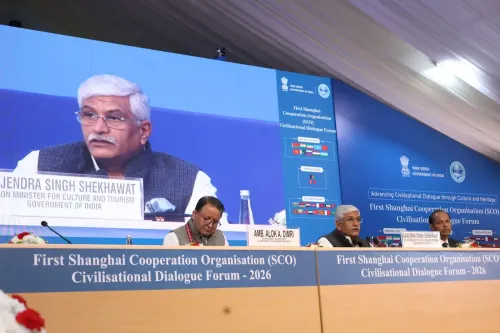
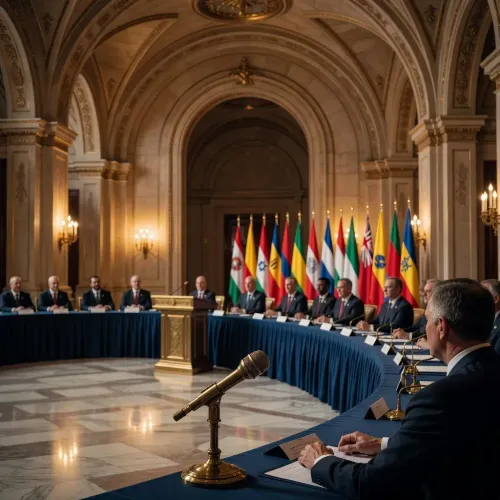
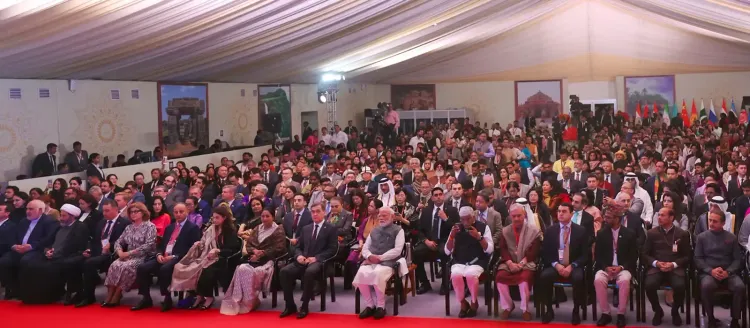
India hosted the inaugural SCO Civilisational Dialogue Forum at Purana Qila , New Delhi, from 20–22 November , marking 25 years of the SCO.
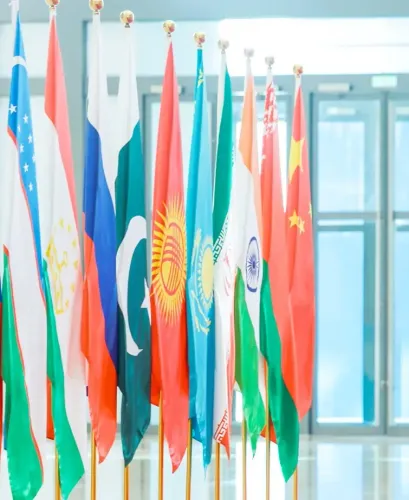
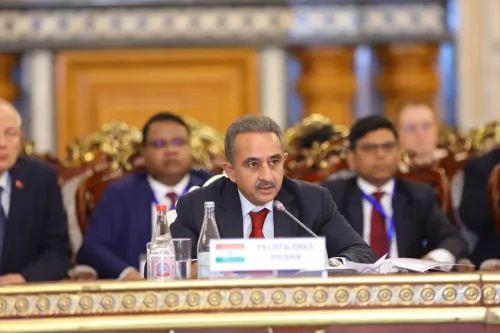
The forum drew 116 delegates from 22 countries , including four ministers and Secretary General Nurlan Yermekbayev .
The Indraprastha Communique sets out 12 commitments , from curbing antiquities trafficking to joint UNESCO nominations.
India proposed holding the dialogue every two years in rotating SCO capitals.
Pakistan's Musadik Malik was the first federal minister from Islamabad at an India-hosted regional event since Operation Sindoor in May 2025 .
MEA spokesperson Randhir Jaiswal said the 1960 Indus Waters Treaty remains on hold.
India's hosting of the inaugural Shanghai Cooperation Organisation (SCO) Civilisational Dialogue Forum at Purana Qila in New Delhi was a calculated move in Eurasian diplomacy, according to a new report. It argues that New Delhi chose to compete with China's influence in the bloc on cultural ground, where India's historical reach is deeper. The report adds that India gave up nothing on its red lines with Pakistan.
The assessment comes from Siddharth Roy, a columnist and consultant (invitee) to Rashtriya Raksha University, in an opinion piece for India Narrative. “New Delhi has chosen a smarter route by competing on terrain where its own historical reach across Central Asia is organic, trusted, and centuries deep,” Roy wrote.
Key Developments at Purana Qila
The forum ran from 20 to 22 November to mark 25 years since the SCO was founded. According to the report, it brought together 116 delegates from 22 countries, including four ministers and SCO Secretary General Nurlan Yermekbayev.
The talks closed with the adoption of the Indraprastha Communique, which sets out 12 shared commitments. These include:
- stopping illegal trafficking of antiquities
- protecting monuments from climate threats
- submitting joint nominations to UNESCO
- using artificial intelligence carefully while digitising ancient records
India also proposed holding the dialogue once every two years in different SCO capitals. “If member states endorse that plan at upcoming summits, New Delhi will have built a permanent cultural pillar inside the bloc without relying on costly loans or rigid political alliances,” the report stated.
The China Factor in the SCO
The report notes that China dominates the SCO's main institutions. These range from the Secretariat in Beijing to its push for an SCO Development Bank. Beijing has also promoted its Global Civilisation Initiative since 2023.
Even so, the report argues that walking away from the bloc would simply leave the Eurasian heartland to Chinese influence. In its view, the cultural forum gives India a way to stay engaged on its own terms rather than ceding ground.
The report also points to India's exhibits, including the Astitva exhibition and the Buddhist relics exhibition at Qila Rai Pithora. It says that by spotlighting monastic trails, shared scripts and ancient trade ties, India presented itself as an open and plural society rather than a loud power lecturing smaller neighbours.
Pakistan's Presence and India's Red Lines
Notably, Pakistan sent its Climate Change Minister, Musadik Malik, to the forum. According to the report, he was the first federal minister from Islamabad to attend a regional gathering hosted by India since the May 2025 military clash under Operation Sindoor.
That clash followed the 22 April 2025 terror attack in Pahalgam, which killed 26 people.
“Yet New Delhi never mistook good manners for diplomatic retreat,” the report said. It cited Ministry of External Affairs (MEA) spokesperson Randhir Jaiswal, who said India has made no change to its decision on the 1960 Indus Waters Treaty. The treaty stays on hold until Pakistan credibly and permanently ends support for cross-border terror.
What Comes Next
The durability of India's initiative depends on whether SCO member states endorse the proposed biennial format at upcoming summits. “What unfolded in Delhi this month proves that cultural outreach does not require softening national security, and holding firm red lines does not require boycotting regional rooms. Soft power earns lasting respect only when paired with steady resolve,” the report concluded.
If the rotating format is endorsed, the Indraprastha Communique could become India's institutional foothold in a bloc long shaped by Beijing.
Point of View
So the cultural route is pragmatic rather than romantic. The harder truth is that communiques on antiquities and UNESCO bids are low-cost commitments that rarely shift strategic alignments in Central Asia, where Chinese loans and infrastructure still speak loudest. The real test is whether members back the biennial rotation, because without institutional permanence this risks becoming a well-staged one-off. On Pakistan, hosting Musadik Malik while keeping the Indus treaty frozen is a coherent posture, but New Delhi must ensure the optics of engagement are not read abroad as a thaw it has not offered.
NationPress
29 Nov 2026
Frequently Asked Questions
What is the SCO Civilisational Dialogue Forum?
It is a new SCO platform for cultural and heritage cooperation, first hosted by India at Purana Qila, New Delhi, from 20 to 22 November. The forum marked 25 years of the SCO and drew 116 delegates from 22 countries.
What is the Indraprastha Communique?
It is the closing document of the forum, setting out 12 shared commitments among participants. These include stopping illegal antiquities trafficking, protecting monuments from climate threats, joint UNESCO nominations and careful use of AI in digitising ancient records.
Why does the forum matter for India-China ties?
According to the report, China dominates the SCO's main institutions, so India chose to compete on cultural ground where its historical ties to Central Asia run deeper. The aim is to stay engaged rather than leave the Eurasian heartland to Chinese influence.
Did Pakistan attend the SCO forum in Delhi?
Yes, Pakistan sent Climate Change Minister Musadik Malik. According to the report, he was the first federal minister from Islamabad to attend an India-hosted regional gathering since the May 2025 Operation Sindoor clash.
Has India changed its stance on the Indus Waters Treaty?
No. MEA spokesperson Randhir Jaiswal said the 1960 Indus Waters Treaty remains on hold until Pakistan credibly and permanently ends support for cross-border terror.