Indian Navy Chief gets Maori Powhiri welcome at Auckland naval base
Synopsis
Indian Navy Chief Admiral Krishna Swaminathan was accorded a rare Maori Powhiri welcome at Auckland's HMNZS Philomel — the first major naval-level visit since India and New Zealand elevated ties to a Strategic Partnership in July 2026. With a freshly concluded Maritime Cooperation Arrangement as the backdrop, this visit is less ceremony and more operational blueprint for India's expanding Indo-Pacific footprint.
Key Takeaways
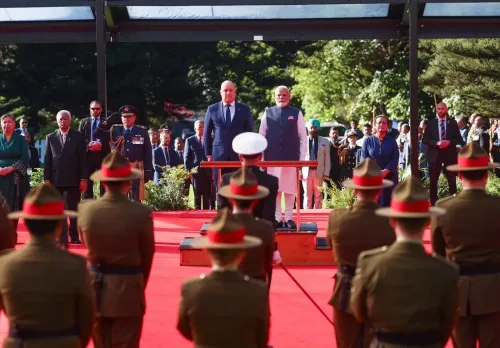
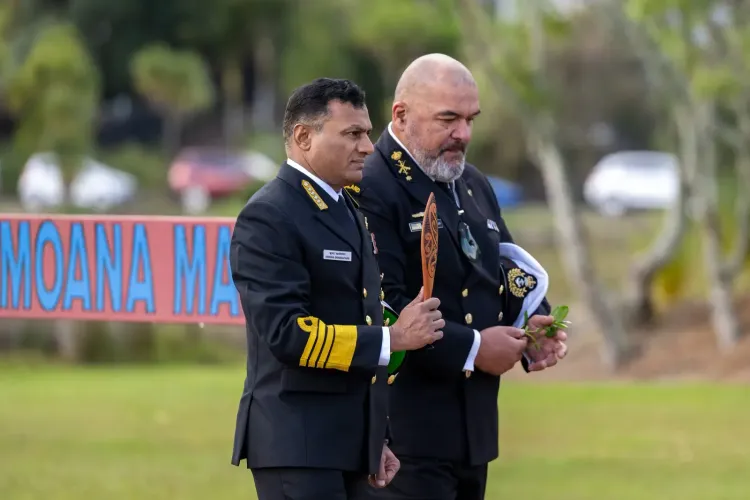
Admiral Krishna Swaminathan , Chief of Naval Staff, received a traditional Maori Powhiri welcome at Te Taua Moana Marae , HMNZS Philomel , Auckland , on 14 September 2026 .
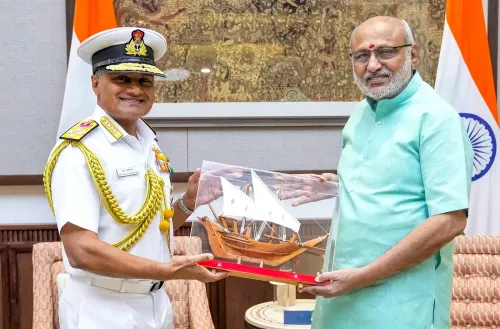
He met Indian High Commissioner Muanpuii Saiawi and Consul General Madan Mohan Sethi during the visit.
The visit follows PM Narendra Modi 's trip to New Zealand in July 2026 , during which the two countries elevated ties to a Strategic Partnership .
A recently concluded Maritime Cooperation Arrangement between India and New Zealand provides the operational framework underpinning the visit.
Talks are focused on operational interaction, information sharing, training, and professional exchanges between the Indian Navy and the Royal New Zealand Navy .
Admiral Swaminathan arrived in Auckland after completing engagements in Australia , as part of a broader Indo-Pacific naval engagement arc.
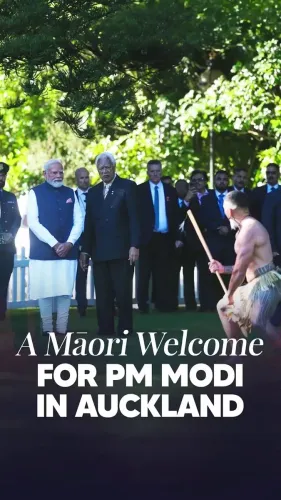
Admiral Krishna Swaminathan, Chief of the Naval Staff (CNS) of the Indian Navy, was accorded a traditional Maori Powhiri welcome on Monday, 14 September 2026, at Te Taua Moana Marae — the spiritual and cultural home of Royal New Zealand Navy (RNZN) personnel — at the HMNZS Philomel naval base in Auckland. The ceremonial reception, steeped in the Maori concept of manaakitanga (hospitality and respect), marked the start of an official visit aimed at deepening defence ties between India and New Zealand.
A Symbolic Beginning
The Indian Navy described the welcome as 'a powerful expression of manaakitanga, respect and welcome, deeply woven into the identity of the NZ Navy' and called it 'a uniquely New Zealand beginning to a visit anchored in enduring bonds, mutual respect and shared maritime traditions.' The Powhiri is among the most significant cultural protocols in Maori tradition, typically reserved for distinguished guests — making its use here a deliberate diplomatic signal.
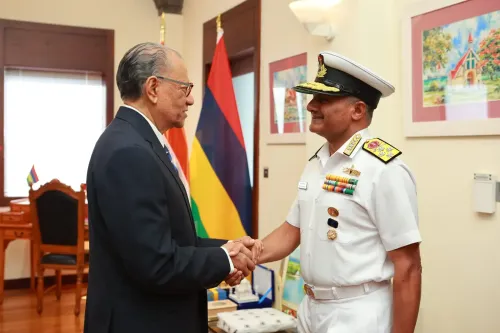
During his time in Auckland, Admiral Swaminathan also met with Indian High Commissioner to New Zealand Muanpuii Saiawi and Consul General Madan Mohan Sethi, reinforcing the diplomatic dimensions of the visit alongside its naval focus.
Talks with Royal New Zealand Navy Leadership
Admiral Swaminathan is scheduled to hold structured talks with senior leadership of the Royal New Zealand Navy and broader New Zealand defence hierarchy. According to the Ministry of Defence, the engagements will focus on expanding operational interaction, enhancing information sharing, and deepening training and professional exchanges between the two navies.
He is also expected to visit key operational and training establishments and interact directly with RNZN personnel and officers undergoing professional military education — a format that builds institutional familiarity beyond formal agreements.
Building on the Modi-New Zealand Strategic Partnership
The visit carries added weight given the recent elevation of India–New Zealand bilateral ties. During Prime Minister Narendra Modi's visit to New Zealand in July 2026, the two nations upgraded their relationship to a Strategic Partnership and agreed to deepen cooperation across defence, maritime security, and several other domains. Admiral Swaminathan's visit is widely seen as the operational follow-through to that diplomatic milestone.
The Indian High Commission in New Zealand noted that the CNS's visit 'comes at a time when India and New Zealand have seen elevation of the bilateral relationship and strengthening of maritime cooperation.' This framing positions the naval engagement not as routine protocol but as a direct extension of leadership-level political will.
Maritime Cooperation Arrangement and Indo-Pacific Context
The Ministry of Defence highlighted that the visit assumes particular significance against the backdrop of the recently concluded Maritime Cooperation Arrangement between India and New Zealand — a framework designed to expand practical maritime cooperation between the two navies. This arrangement, officials said, provides a structured channel for the kind of interoperability discussions that will be central to the Auckland engagements.
Notably, Admiral Swaminathan arrived in Auckland following a series of engagements in Australia, underscoring a deliberate Indo-Pacific arc to the visit. The Defence Ministry stated that the trip underscores India's 'growing defence and maritime engagement with Australia and New Zealand' and the Indian Navy's commitment to 'contributing towards peace, security and stability in the Indo-Pacific.' This is consistent with India's broader Quad and Indo-Pacific strategy, which has seen the Navy step up bilateral engagements across the region over the past two years.
What Comes Next
The outcomes of Admiral Swaminathan's talks are expected to feed into the operationalisation of the Maritime Cooperation Arrangement, with practical cooperation frameworks — including joint exercises, port calls, and information-sharing protocols — likely to be formalised in the months ahead. The visit sets the stage for what both navies describe as a sustained, rather than episodic, engagement in the Indo-Pacific.
Point of View
The US, and France in the Indo-Pacific.
NationPress
14 Sept 2026
Frequently Asked Questions
What is a Maori Powhiri and why was it given to the Indian Navy Chief?
A Powhiri is a traditional Maori welcoming ceremony that embodies the concept of manaakitanga — hospitality and deep respect — and is typically reserved for distinguished guests. Admiral Krishna Swaminathan received it at Te Taua Moana Marae, the spiritual home of Royal New Zealand Navy personnel at HMNZS Philomel, as a mark of the strong bilateral ties between India and New Zealand.
Why is Admiral Swaminathan's visit to New Zealand significant?
The visit is the first major naval-level engagement since India and New Zealand elevated their bilateral relationship to a Strategic Partnership in July 2026 during PM Narendra Modi's visit. It also follows the conclusion of a Maritime Cooperation Arrangement, making the trip a key step in operationalising those commitments.
What will the Indian Navy Chief discuss with Royal New Zealand Navy leadership?
Talks will focus on operational interaction, information sharing, training, and professional exchanges between the Indian Navy and the Royal New Zealand Navy. Admiral Swaminathan will also visit key operational and training establishments and interact with RNZN personnel.
What is the Maritime Cooperation Arrangement between India and New Zealand?
The Maritime Cooperation Arrangement is a recently concluded bilateral framework that provides an expanded structure for practical maritime cooperation between India and New Zealand. According to the Ministry of Defence, it forms a key backdrop to Admiral Swaminathan's visit to Auckland.
How does this visit connect to India's broader Indo-Pacific strategy?
Admiral Swaminathan arrived in Auckland after completing engagements in Australia, as part of a deliberate Indo-Pacific arc. The Ministry of Defence stated the visit underscores India's growing defence and maritime engagement with Australia and New Zealand, contributing to peace, security, and stability in the Indo-Pacific region.