Indian Navy ships conclude Sattahip visit with PASSEX alongside Royal Thai Navy
Synopsis
Three Indian Navy warships wrapped up a four-day Sattahip port call with a live Passage Exercise alongside the Royal Thai Navy — a visit that blended volleyball matches and yoga sessions with hard operational interoperability drills. Set against the ASEAN-India Year of Maritime Cooperation 2026 and India's expanding Indo-Pacific footprint, the deployment signals that New Delhi's Act East policy is moving from diplomatic rhetoric to regular naval presence.
Key Takeaways
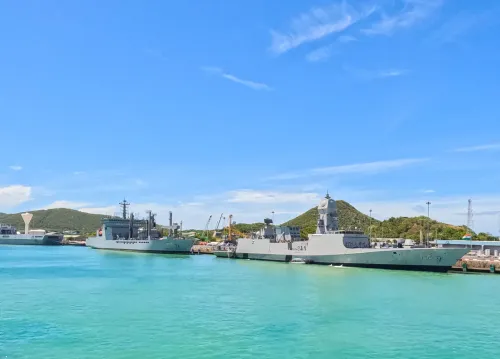
INS Udaygiri , INS Shakti , and INS Kavaratti arrived at Sattahip, Thailand on 27 June 2026 and concluded the visit on 1 July 2026 .
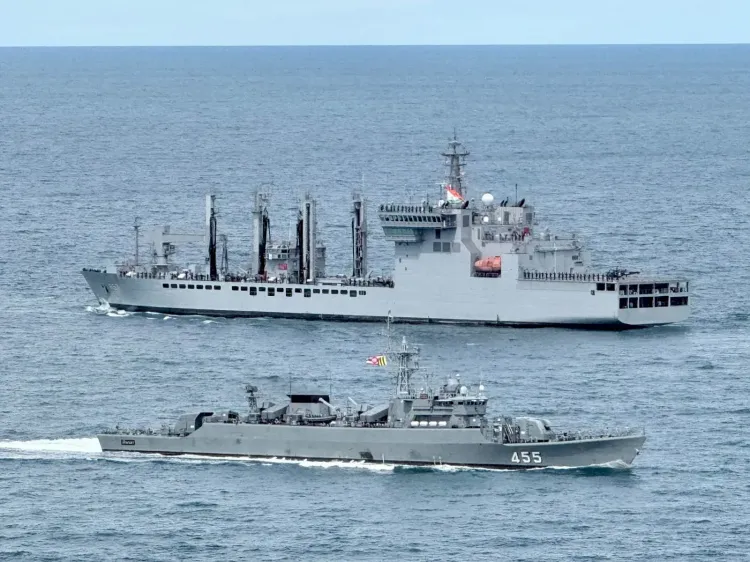
The fleet conducted a Passage Exercise (PASSEX) with Royal Thai Navy's HTMS Chao Phraya following the port call.
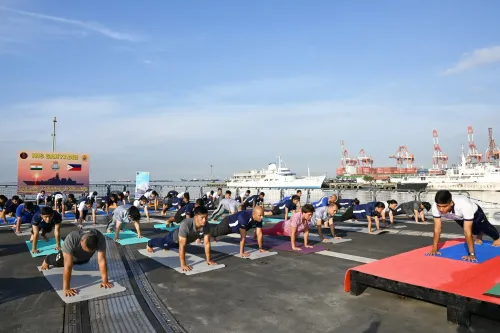
Activities included professional exchanges, a combined yoga session, ship visits, and a friendly volleyball match on 30 June .
The visit was led by Rear Admiral Alok Ananda , Flag Officer Commanding Eastern Fleet.
The deployment is aligned with India's Act East Policy , the MAHASAGAR framework, and the ASEAN-India Year of Maritime Cooperation 2026 .
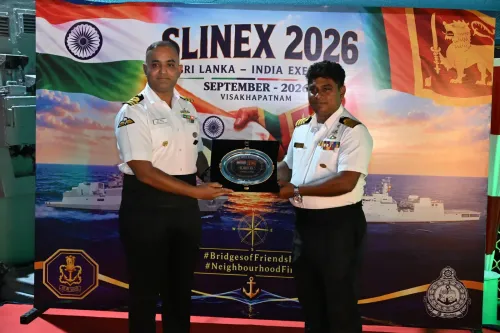
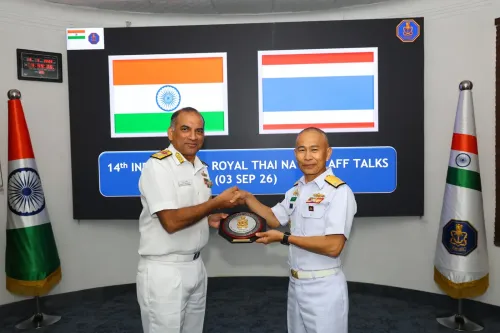
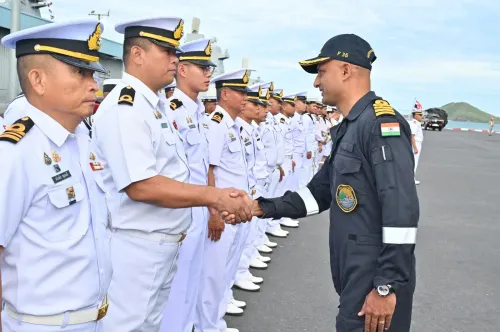
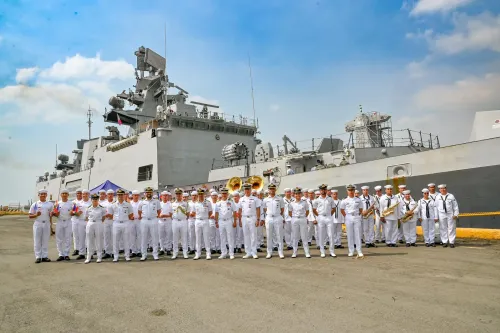
INS Udaygiri, INS Shakti, and INS Kavaratti of the Indian Navy's Eastern Fleet concluded a port visit to Sattahip, Thailand and conducted a Passage Exercise (PASSEX) with the Royal Thai Navy's HTMS Chao Phraya on 1 July 2026, reinforcing bilateral maritime ties in the Indo-Pacific. The visit, which began on 27 June, was led by Rear Admiral Alok Ananda, Flag Officer Commanding Eastern Fleet (FOCEF), and concluded with a warm farewell ceremony hosted by the Royal Thai Navy.
Passage Exercise and Interoperability
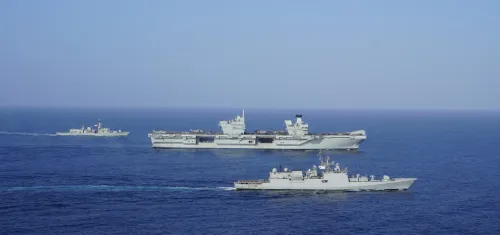
The PASSEX with HTMS Chao Phraya was conducted following the conclusion of the port call, providing both navies an operational platform to sharpen coordination at sea. The Indian Navy stated that the exercise was aimed at enhancing interoperability and reaffirming a shared commitment to maritime security and regional stability. This kind of at-sea exercise is a standard diplomatic-military tool used to build tactical fluency between partner navies without a formal joint operation.
Activities During the Sattahip Visit
Over the course of the visit, personnel from both navies engaged in a range of professional and cultural activities. On 30 June, sailors from the Indian Navy and Royal Thai Navy participated in a friendly volleyball match at Sattahip. A combined yoga session was also held, with the Indian Navy noting it reflected 'the shared belief in the importance of harmony between body and mind for maintaining highest professional standards.' Ship visits and professional exchanges further deepened operational familiarity between the two sides.
Strategic Context: Act East and ASEAN Maritime Cooperation
The port call carries clear strategic weight. The Indian Navy explicitly linked the visit to India's Act East Policy and the MAHASAGAR framework, both of which prioritise deeper engagement with ASEAN nations. The visit also falls within the ASEAN-India Year of Maritime Cooperation 2026, a designated bilateral framework that has seen a series of naval and coast guard interactions across the region this year. Notably, Thailand is a key ASEAN partner, and Sattahip hosts one of the Royal Thai Navy's principal naval bases — making the port call symbolically and operationally significant.
Broader Significance for Indo-Pacific Security
India's Eastern Fleet deployments to Southeast Asian ports have grown in frequency and scope over the past several years, reflecting New Delhi's intent to project a credible maritime presence east of the Malacca Strait. This visit follows a pattern of Indian Navy engagements with ASEAN navies — including Vietnam, the Philippines, and Indonesia — as part of a broader effort to build a cooperative maritime security architecture in the Indo-Pacific. With China's naval footprint expanding in the South China Sea, India's consistent port calls and joint exercises with regional partners carry strategic messaging beyond the ceremonial.
Point of View
Not an occasional guest. What stands out is the explicit invocation of MAHASAGAR alongside Act East: New Delhi is layering its maritime diplomacy frameworks, signalling to regional partners that engagement is institutionalised, not episodic. The real audience for these deployments may be less Bangkok and more Beijing, as India quietly builds a web of interoperability agreements across the Indo-Pacific's eastern rim.
NationPress
30 Sept 2026
Frequently Asked Questions
Which Indian Navy ships visited Sattahip, Thailand in 2026?
INS Udaygiri, INS Shakti, and INS Kavaratti of the Indian Navy's Eastern Fleet visited Sattahip, Thailand from 27 June to 1 July 2026. The deployment was led by Rear Admiral Alok Ananda, Flag Officer Commanding Eastern Fleet.
What is a Passage Exercise (PASSEX) and why was one conducted with Thailand?
A Passage Exercise (PASSEX) is a short at-sea drill conducted between two navies as one fleet transits through or departs a partner nation's waters, aimed at building tactical interoperability. The Indian Navy conducted a PASSEX with Royal Thai Navy's HTMS Chao Phraya on 1 July 2026 following the conclusion of the Sattahip port visit.
What activities took place during the Indian Navy's Sattahip visit?
During the visit, Indian and Thai naval personnel participated in professional exchanges, ship visits, a combined yoga session, and a friendly volleyball match held on 30 June 2026. These activities were designed to strengthen camaraderie and mutual understanding between the two navies.
How does this visit relate to India's Act East Policy?
The Indian Navy explicitly linked the Sattahip port call to India's Act East Policy and the MAHASAGAR framework, both of which prioritise maritime engagement with ASEAN nations. The visit also falls within the ASEAN-India Year of Maritime Cooperation 2026, a bilateral framework driving increased naval interactions across the region.
Why is Sattahip significant for the Royal Thai Navy?
Sattahip is home to one of the Royal Thai Navy's principal naval bases, making it a strategically important port for bilateral naval visits. An Indian Eastern Fleet deployment to Sattahip carries both operational and diplomatic significance within the Indo-Pacific region.