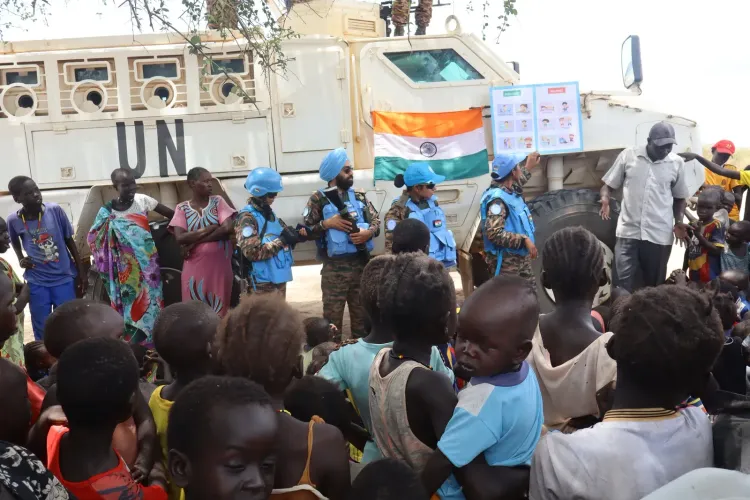
Indian peacekeepers with UNISFA aid displaced persons in Abyei
Synopsis
India's peacekeepers in the contested Abyei region are delivering basic services and education to displaced communities — but the bigger story is India's quiet transformation into the world's leading trainer of women peacekeepers, with 160 women in the field and officers from 35 countries converging on New Delhi for specialised training.
Key Takeaways
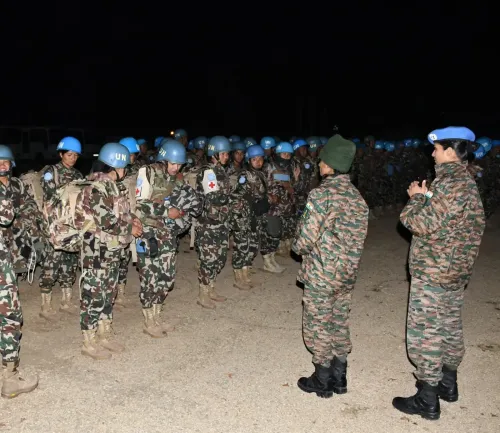
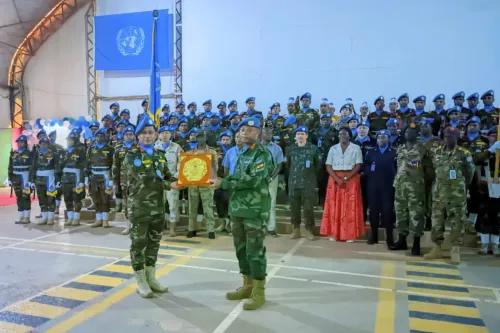
Indian peacekeepers with UNISFA are actively assisting internally displaced persons in Abyei with basic services, education, and community engagement.
The Abyei region lies between Sudan and South Sudan and is administered by UNISFA.
More than 160 Indian women peacekeepers currently serve across various UN missions worldwide.
Indian Army Major Abhilasha Barak received the UN Peacekeeper's Gender Advocate Award ; two other Indian women have previously won the same honour.
India's Centre for UN Peacekeeping in New Delhi trained women military officers from 15 countries last year and hosted peacekeepers from 35 countries for the Global South conference.
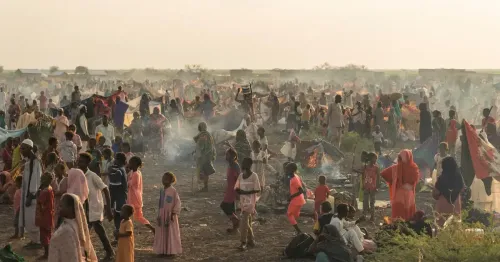
Indian peacekeepers serving with the United Nations Interim Force for Abyei (UNISFA) are continuing to provide critical assistance to internally displaced persons in the Abyei region, the United Nations Department of Peace Operations confirmed on Saturday, 29 August. The region, administered by UNISFA, straddles the contested border between Sudan and South Sudan.
On-Ground Support in Abyei
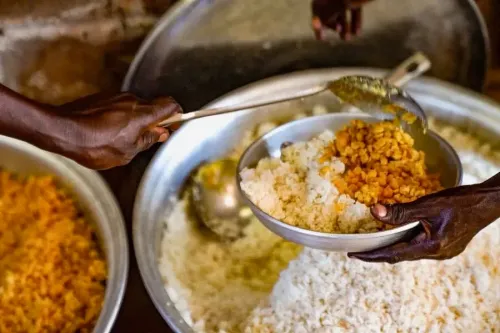
According to the UN Department of Peace Operations, the mission's assistance to displaced communities encompasses basic services, educational initiatives, and community engagement programmes. 'Indian peacekeepers with UNISFA continue their commitment to assisting internally displaced persons in Abyei. The Mission's support includes critically needed basic services, educational initiatives and community engagement,' the UN department stated in an official post on X.
India's Broader Peacekeeping Commitment
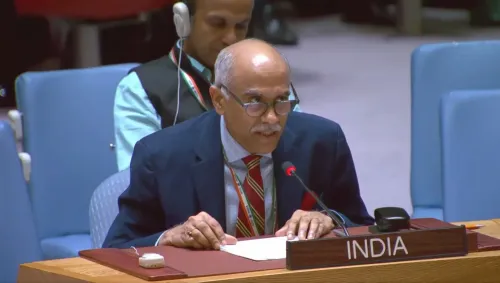
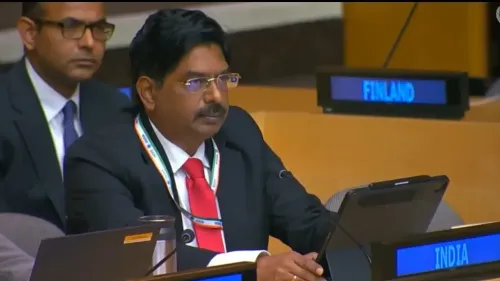
India's contribution to UN peacekeeping extends well beyond Abyei. India's Permanent Representative to the United Nations, P. Harish, highlighted in June that India was the first country to deploy an all-female unit to the United Nations Mission in Liberia, a move that reportedly inspired thousands of Liberian women to join their national police force.
Currently, more than 160 Indian women peacekeepers serve across various UN missions worldwide. According to P. Harish, these women 'build trust in communities, give hope to vulnerable populations — particularly women and children — and serve as visible symbols of women's agency in maintaining peace and security.'
Women Peacekeepers and Gender Advocacy
Indian Army Major Abhilasha Barak, a recipient of the UN Peacekeeper's Gender Advocate Award, is among the most recognised examples of India's commitment to gender-inclusive peacekeeping. Two other Indian women have received the same award previously, according to P. Harish's address to the UN Security Council.
P. Harish also stressed that women peacekeepers play a pivotal role in addressing gender-based violence and ensuring that peace processes reflect the needs of all segments of society — including those most vulnerable in conflict zones.
India's Training Infrastructure for Global Peacekeepers
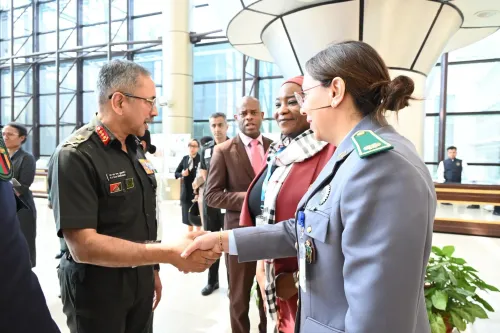
To strengthen the global pipeline of women peacekeepers, India established the Centre for UN Peacekeeping in New Delhi, which runs specialised training programmes for women military officers from across the world. Last year, participants from 15 countries attended the UN Women Military Officers Course, while women peacekeepers from 35 countries gathered for the Conference for Women Peacekeepers from the Global South.
This comes amid growing international recognition that gender-diverse peacekeeping forces produce measurably better outcomes in conflict-affected communities. India's expanding peacekeeping footprint — both in numbers and in institutional training capacity — positions it as a leading contributor to multilateral peace efforts going forward.
Point of View
Training women officers from 35 countries, is a form of soft power that rarely makes headlines but shapes multilateral relationships durably. What mainstream coverage misses is the strategic dimension: every officer India trains is a potential ally in UN voting blocs and Security Council deliberations. The real question is whether India's diplomatic establishment is leveraging this peacekeeping capital as assertively as it should in its push for a permanent Security Council seat.
NationPress
29 Aug 2026
Frequently Asked Questions
What are Indian peacekeepers doing in Abyei?
Indian peacekeepers serving with the United Nations Interim Force for Abyei (UNISFA) are providing basic services, educational support, and community engagement to internally displaced persons in the Abyei region, which lies between Sudan and South Sudan.
What is UNISFA and where is Abyei located?
UNISFA, the United Nations Interim Force for Abyei, is the UN mission that administers the Abyei region — a contested area situated on the border between Sudan and South Sudan. India is among its key troop-contributing nations.
How many Indian women are serving in UN peacekeeping missions?
More than 160 Indian women peacekeepers are currently deployed across various UN missions worldwide, according to India's Permanent Representative to the UN, P. Harish, speaking at the UN Security Council.
Who is Major Abhilasha Barak and what award did she receive?
Indian Army Major Abhilasha Barak is a UN peacekeeper who received the UN Peacekeeper's Gender Advocate Award, one of three Indian women to have been honoured with this recognition. She was cited as an example of India's commitment to gender-inclusive peacekeeping.
How is India training women peacekeepers globally?
India established the Centre for UN Peacekeeping in New Delhi specifically to train women military officers from around the world. Last year, the UN Women Military Officers Course drew participants from 15 countries, and the Conference for Women Peacekeepers from the Global South brought together peacekeepers from 35 countries.