Indian spices carry 'Indianness' into US homes, says Ambassador Kwatra
Synopsis
India's Ambassador to the US, Vinay Mohan Kwatra, used a Washington reception on Indian spices to make an understated but pointed argument: the real export is not the spice but a civilisational identity. His turmeric-latte anecdote — absent from US menus during his 2010–13 posting, ubiquitous now — captures how India's oldest food traditions are reshaping American wellness culture from the inside out.
Key Takeaways
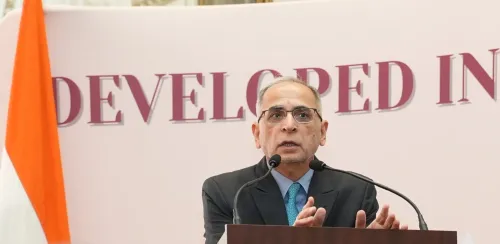
Ambassador Vinay Mohan Kwatra spoke at a reception at India House, Washington DC on 7 October 2026 celebrating Indian spices.
He described spices as an unbroken cultural thread in Indian civilisation 'stretching back to millennia.' Kwatra noted that turmeric latte was absent from US cafe menus during his 2010–2013 Washington posting but is now widely available.
He linked the rise of Indian spices in the US to growing awareness of their holistic health and Ayurvedic benefits.
The event brought together members of the American Spice Trade Association and food industry representatives.
Kwatra argued that Indian spices represent cultural integration, not just trade — calling for their deeper adoption into American food habits .
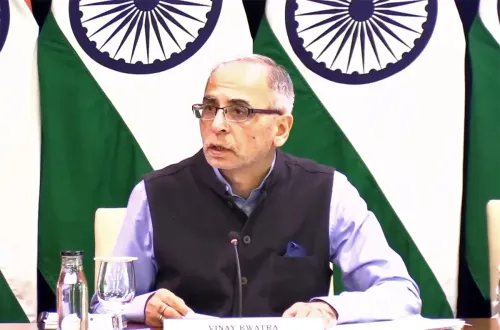
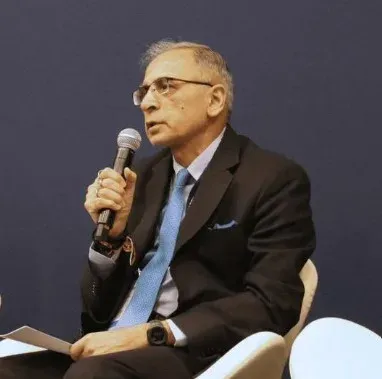
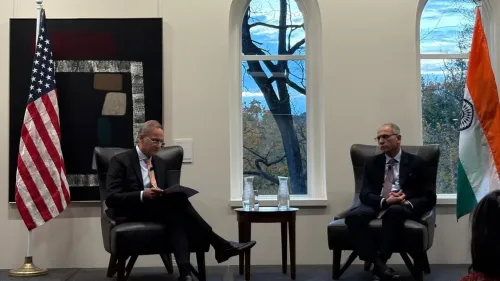
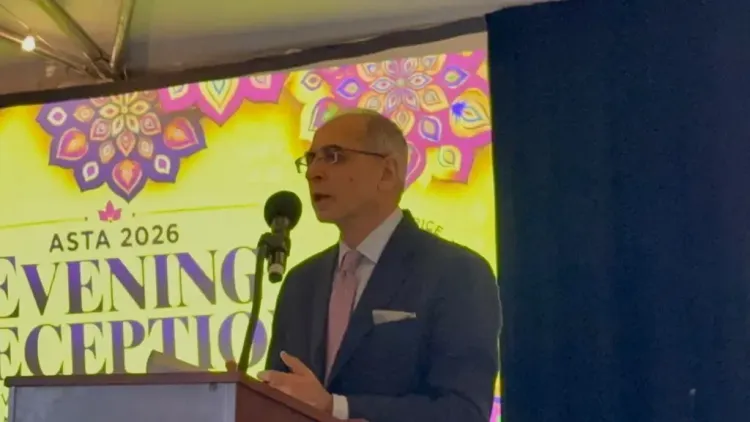
India's Ambassador to the United States, Vinay Mohan Kwatra, said on 7 October 2026 that Indian spices are doing far more than driving trade — they are carrying a 'part of Indianness' into American homes, reflecting a cultural connection that spans millennia. Kwatra made the remarks at a special reception at India House in Washington DC, organised to celebrate Indian spices, with members of the American Spice Trade Association, food industry representatives, and other guests in attendance.
More Than a Trade Commodity
'But I think spices are much more than trade,' Kwatra told guests at the reception. 'What is more crucial, in my personal view, is that through these spices, we bring a very important part of Indianness to the American homes.'
The Ambassador described spices as one of the most enduring constants in Indian civilisation — an unbroken thread linking contemporary households to generations stretching back thousands of years. 'I always tell people, and I firmly believe in it, that if there is one thing which through the generations stretching back to millennia has not changed in the Indian society, it is the spices,' he said.
Turmeric as a Cultural Case Study
Kwatra used turmeric to illustrate how deeply embedded Indian ingredients have found new audiences in the United States. Referring to his earlier posting in Washington from 2010 to 2013, he noted that turmeric latte was virtually absent from American cafe menus at the time. 'I don't recall going to the cafes in the US and coming across turmeric latte. I don't think it was there on the menu of the cafe,' he said.
He contrasted that relatively recent popularity with turmeric's centuries-old role in Ayurveda and traditional Indian households, calling it a 'very, very central and very, very important' ingredient in the classical Indian system. The shift, he argued, reflects a broader American appetite for ingredients rooted in holistic health traditions.
Health, Wellness and the Organic Food Link
Speaking separately, Kwatra said the spread of Indian spices in the United States was no longer simply a matter of culinary flavour. 'It is actually a flavor in the life because of how well it is for your own body and for your own holistic health,' he said. He added that the goal was for Indian spices to become genuinely integrated into American food habits — not merely marketed as exotic additions.
The Ambassador also drew a connection between the growing popularity of Indian spices and the wider organic food trend in the US, arguing that what passes for modern healthy eating often traces back to far older food practices. 'Organic food is actually the old food, and old healthy food,' he said. 'So in a way, modern trend is to go back to your roots, at least in so far as this part is concerned.'
A Civilisational Footprint Expanding Globally
Ingredients such as turmeric, cumin, chillies, fennel, and black pepper have been central to Indian cooking across regions for centuries, and Indian spices have historically played a significant role in the country's commercial and cultural contacts with the wider world. Their profile in the United States has grown alongside greater familiarity with Indian cuisine and food traditions, with products derived from Indian spices increasingly moving beyond specialised Indian grocery outlets into the mainstream American food and wellness market.
Kwatra said the network of Indian spices' global expansion now 'stretches the world over,' and stressed that consumer understanding of their history and health value was as important as their commercial promotion. As India's diplomatic and trade profile in the US deepens, spices appear to be one of the more quietly effective ambassadors of the bilateral relationship.
Point of View
But the Ambassador is making a civilisational argument: that turmeric in an American cafe is evidence of cultural penetration, not just supply-chain success. What his comments do not address is the quality and standards dimension — India's spice exports have faced recurring scrutiny over pesticide residue levels in key Western markets, including the US. A more complete picture of Indian spices 'integrating into American food habits' would acknowledge the regulatory and quality-assurance challenges that the industry must navigate for that integration to be durable. The diplomacy is warm; the groundwork is ongoing.
NationPress
7 Oct 2026
Frequently Asked Questions
What did Indian Ambassador Vinay Mohan Kwatra say about Indian spices in the US?
Ambassador Kwatra said Indian spices carry a 'part of Indianness' into American homes, reflecting a cultural connection that goes far beyond commercial trade. He made the remarks at a reception at India House in Washington DC on 7 October 2026, attended by members of the American Spice Trade Association and food industry representatives.
Why did Ambassador Kwatra mention turmeric latte?
Kwatra used turmeric latte as a concrete example of how Indian ingredients have entered mainstream American food culture. He recalled that during his Washington posting from 2010 to 2013, turmeric latte was not on US cafe menus — its widespread presence today, he argued, illustrates how deeply Indian spice traditions have since taken root in American daily life.
What is the American Spice Trade Association's connection to India?
The American Spice Trade Association represents the US spice industry and was among the key groups invited to the reception at India House celebrating Indian spices. India is one of the world's largest producers and exporters of spices, making it a significant partner for the US spice trade.
How are Indian spices linked to health and wellness trends in the US?
Ambassador Kwatra said Indian spices are increasingly valued in the US not just for flavour but for their holistic and health benefits, particularly those rooted in Ayurveda. He connected this to the broader organic food trend, arguing that modern healthy eating often reflects a return to traditional food practices that Indian spices embody.
What is India's broader goal for spice exports to the United States?
According to Kwatra, the objective is for Indian spices to become genuinely integrated into American food habits rather than remaining a niche or exotic ingredient. He stressed that achieving this requires consumers to understand the history and health value of spices — not just their culinary appeal.